





£3,800
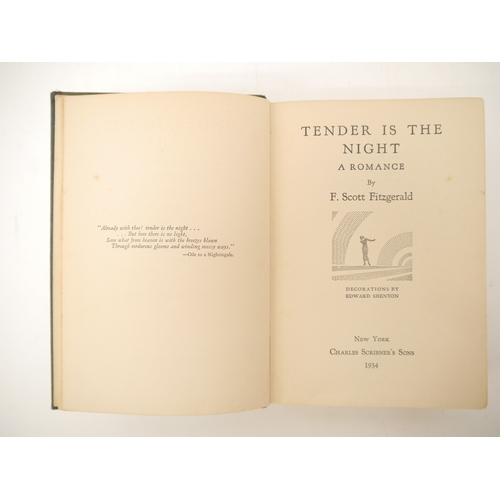
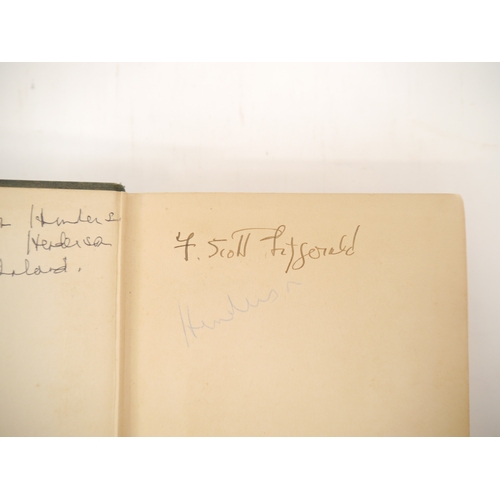
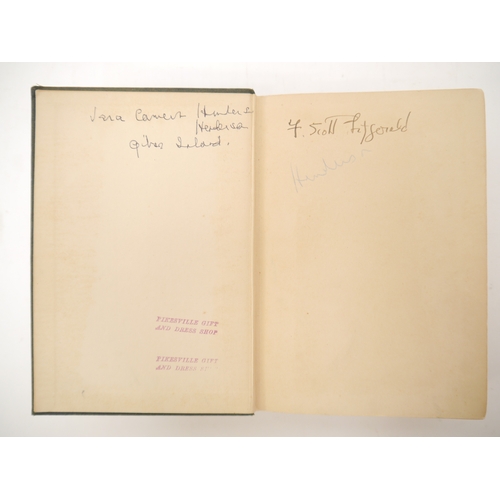
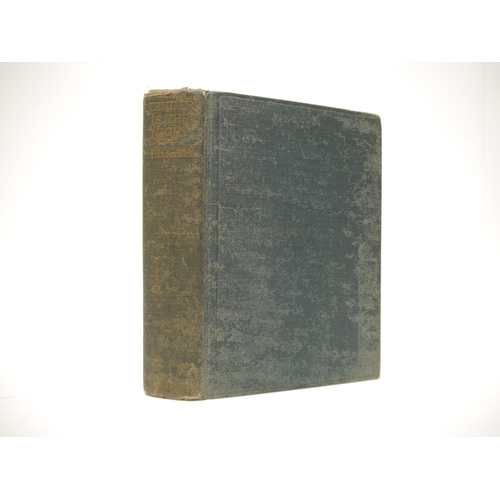
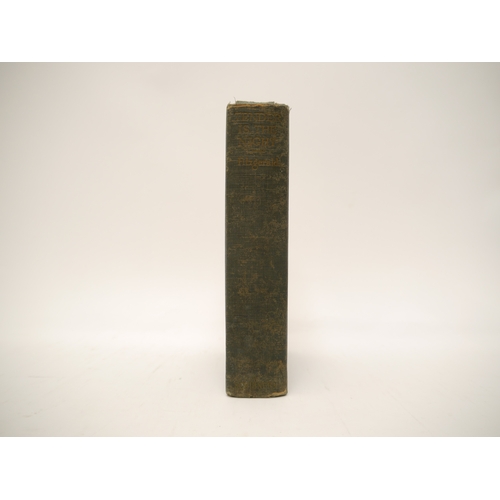
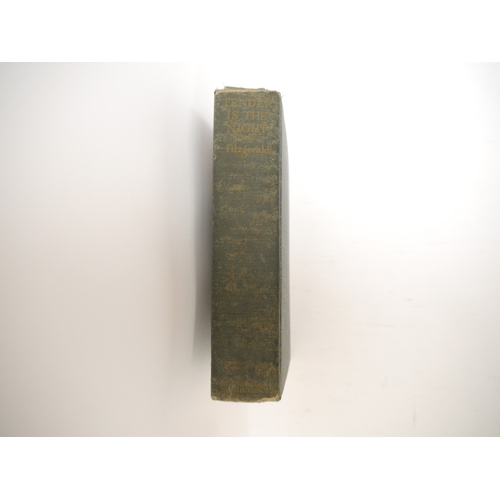
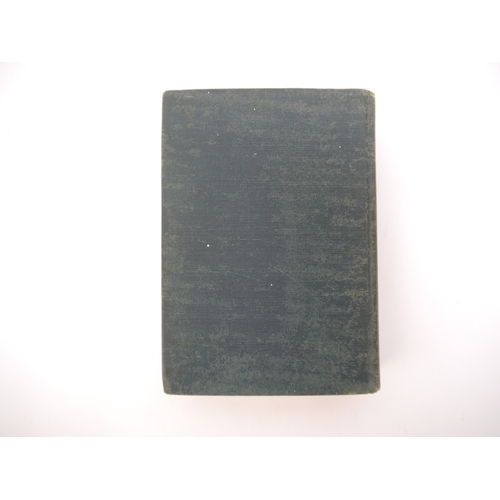
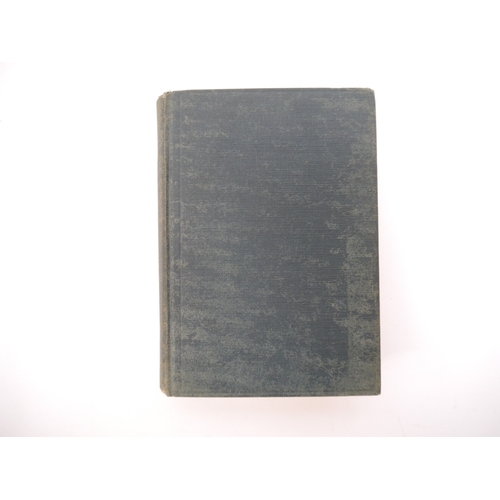
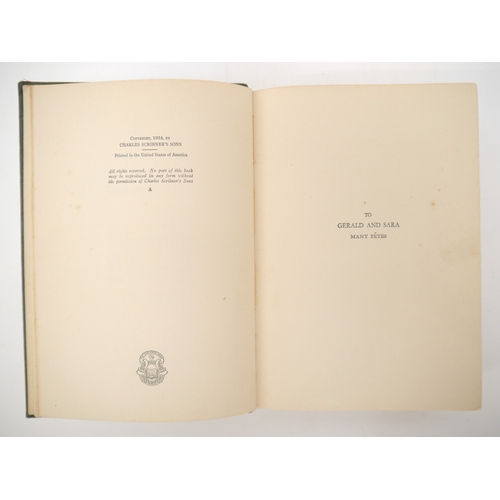
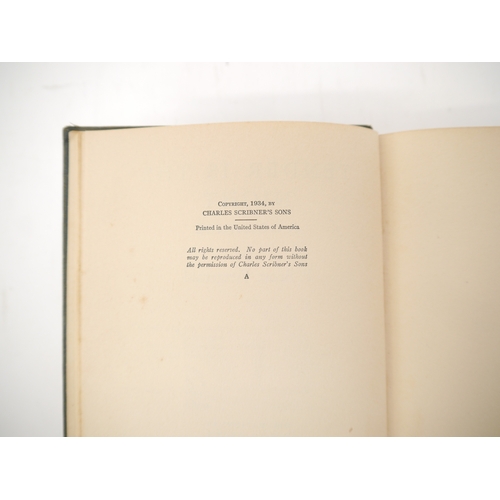
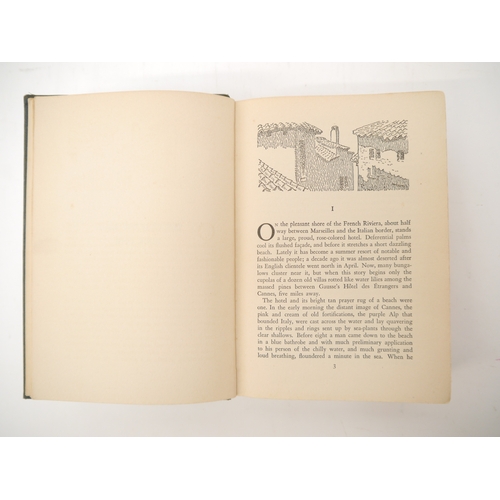
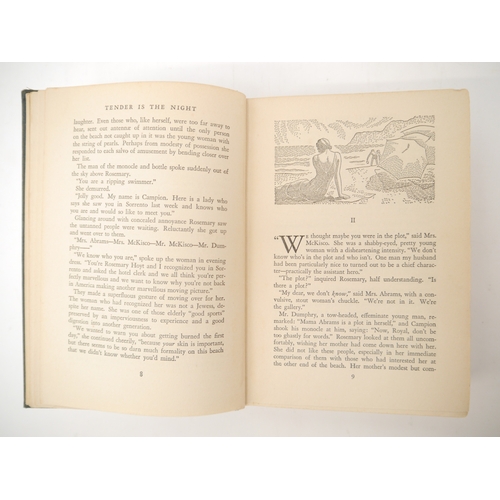
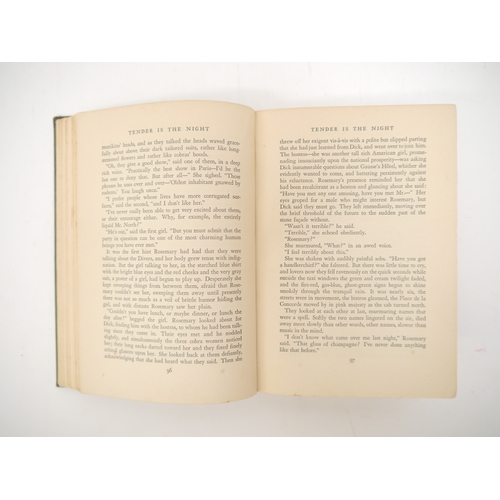
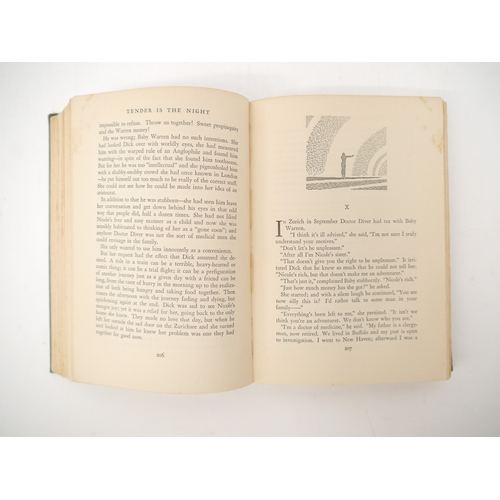
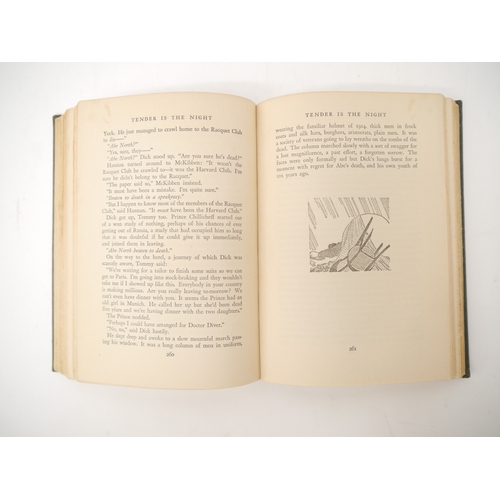
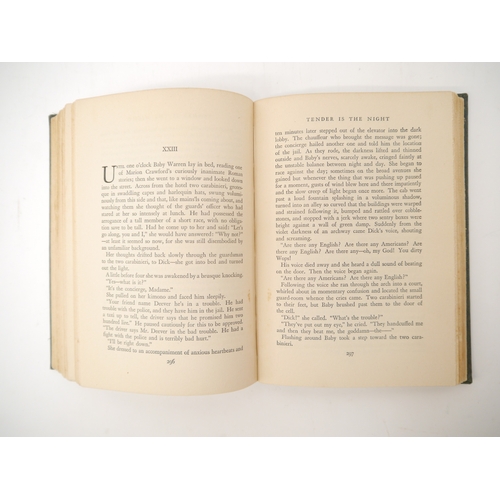
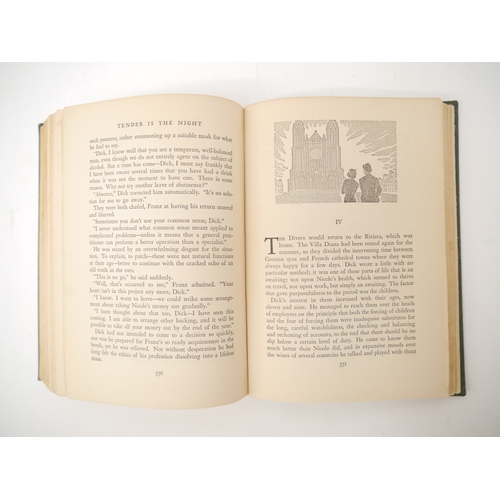
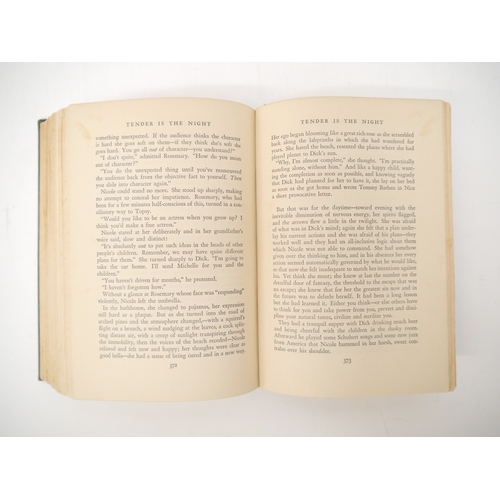
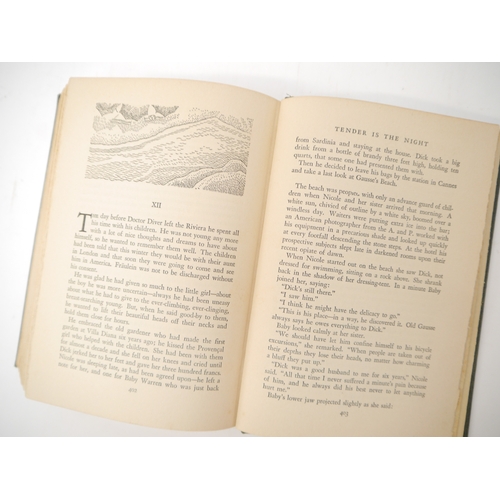
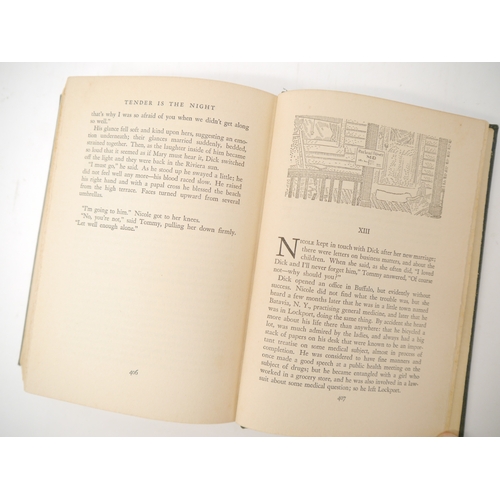
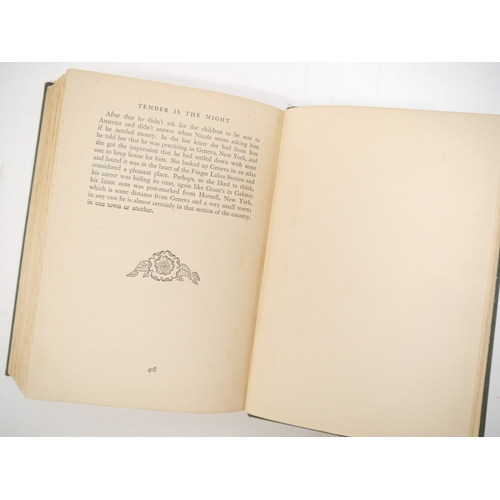
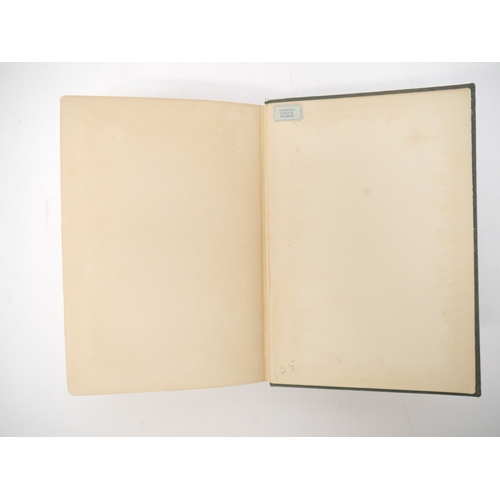
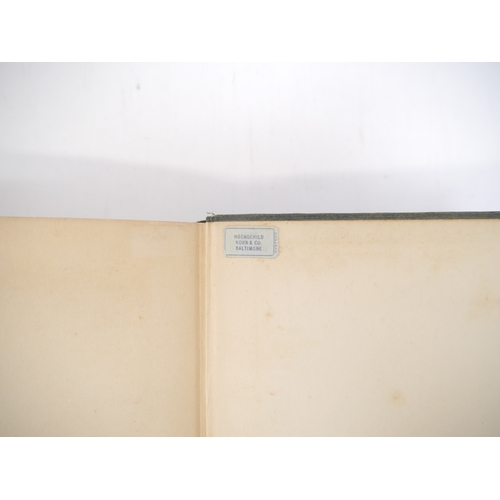
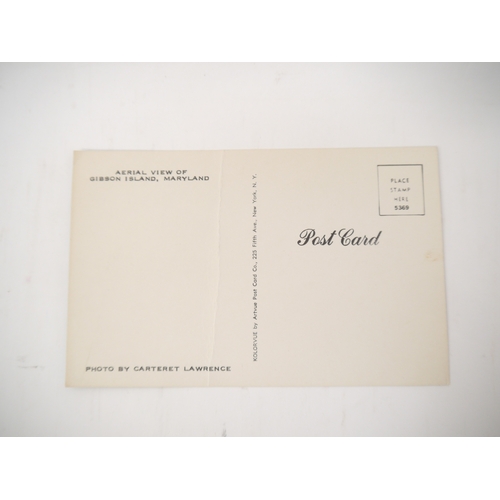
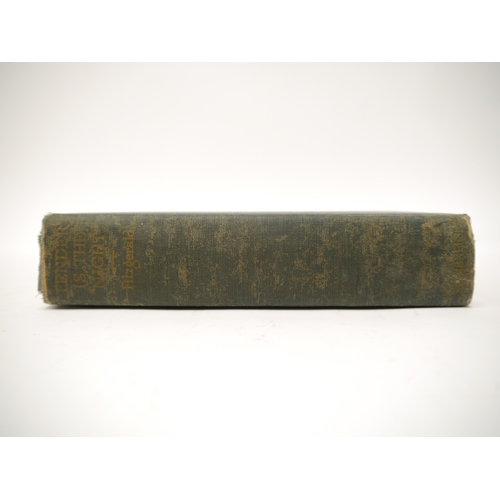
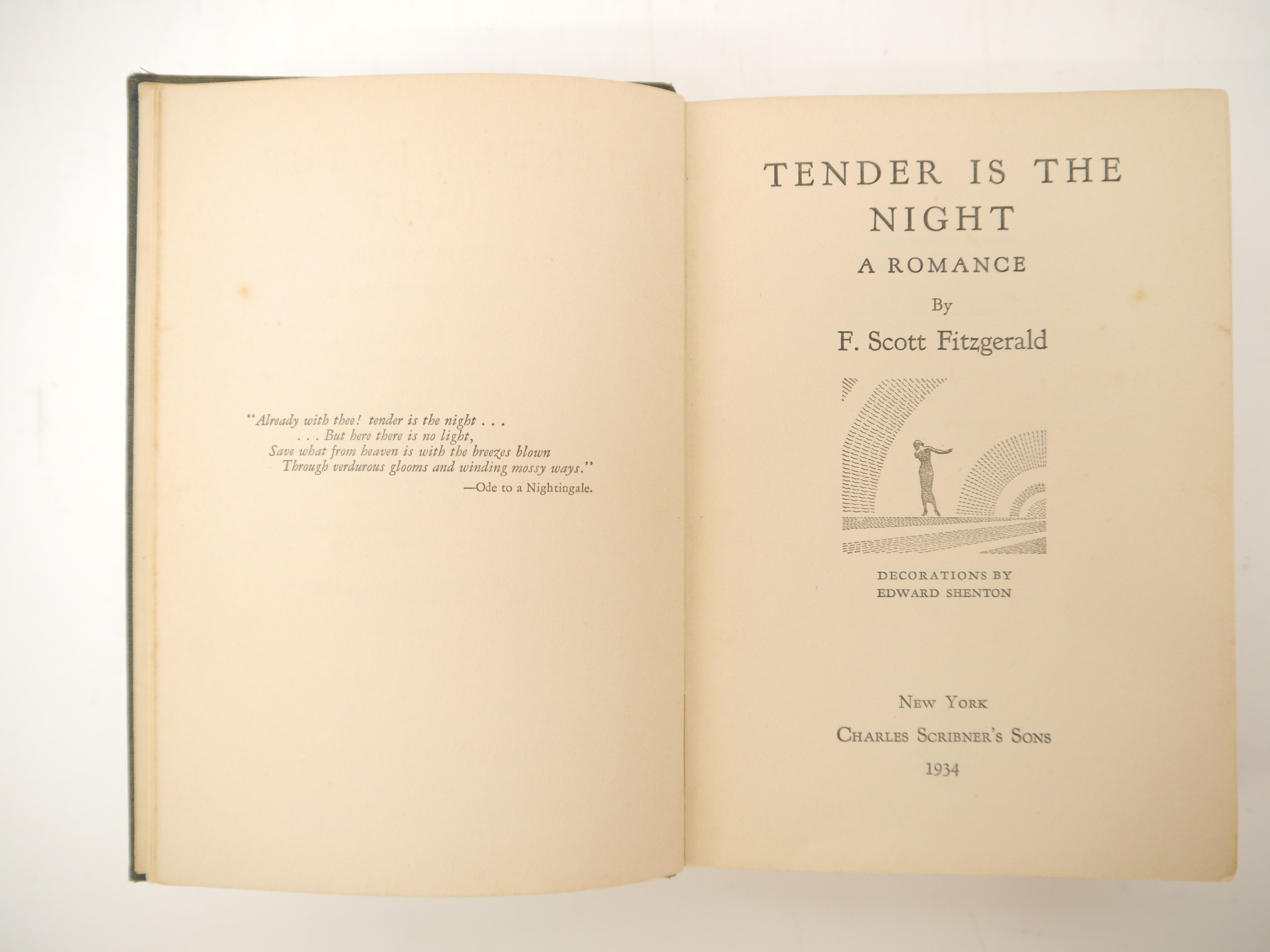
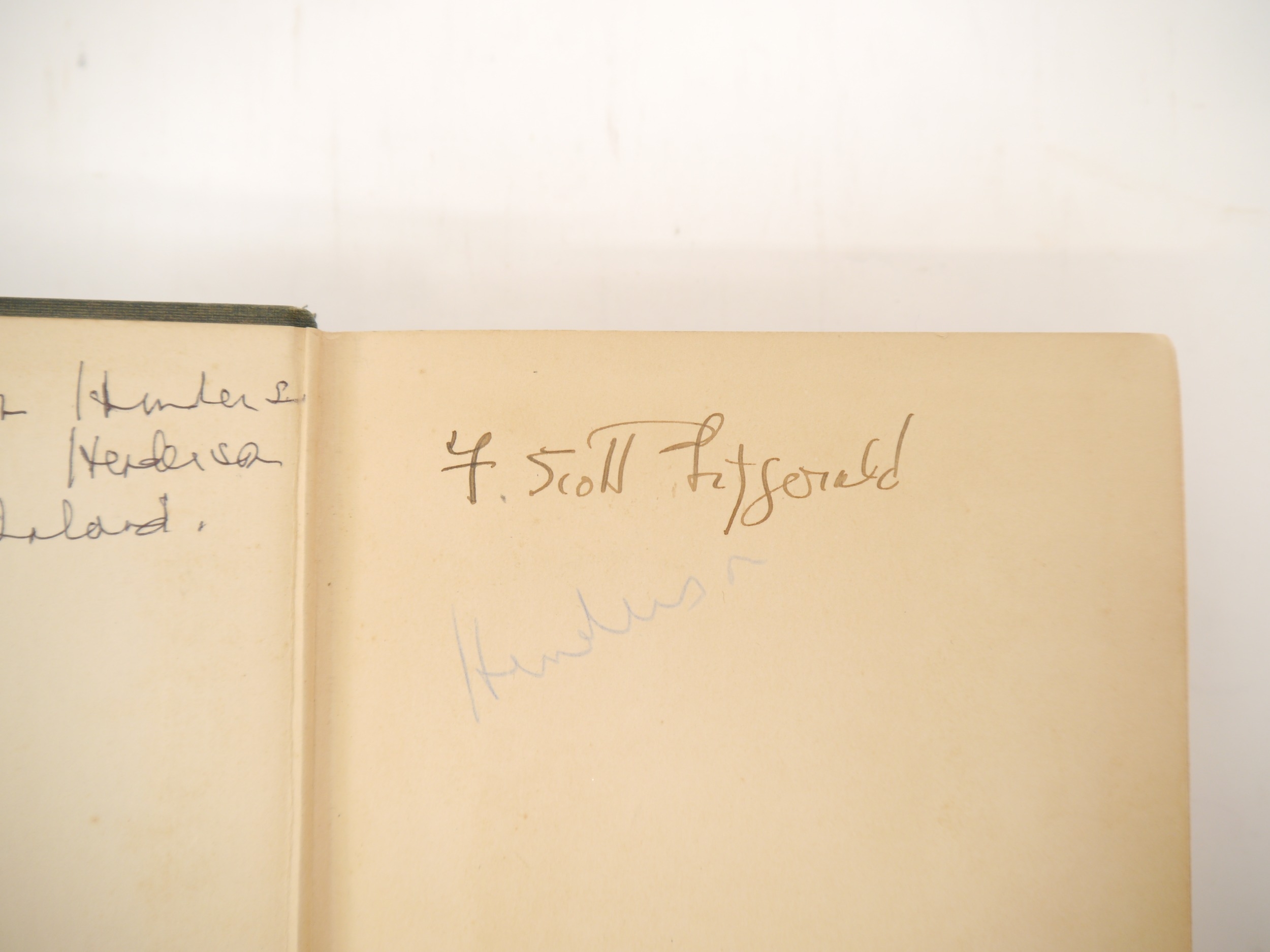
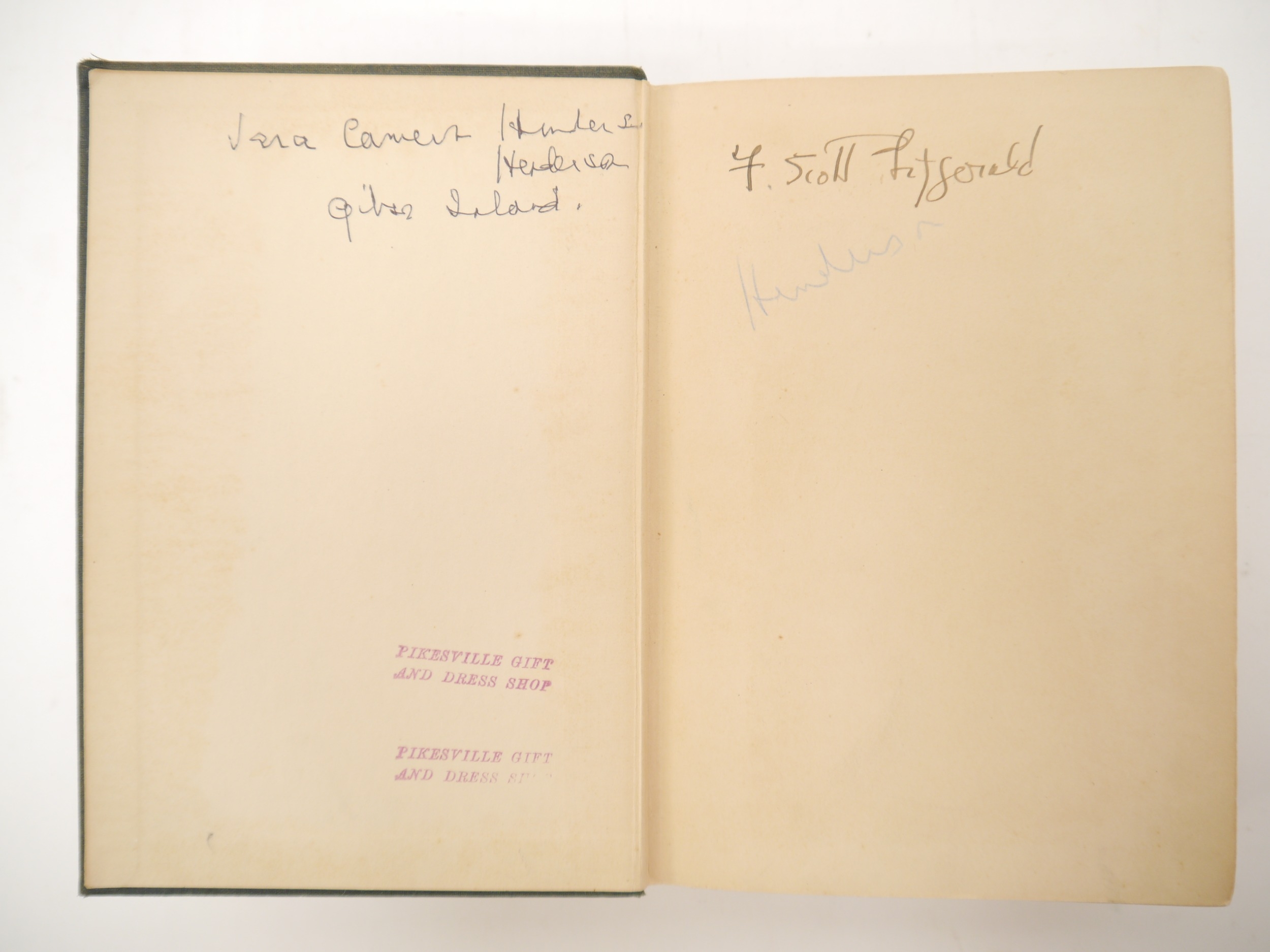
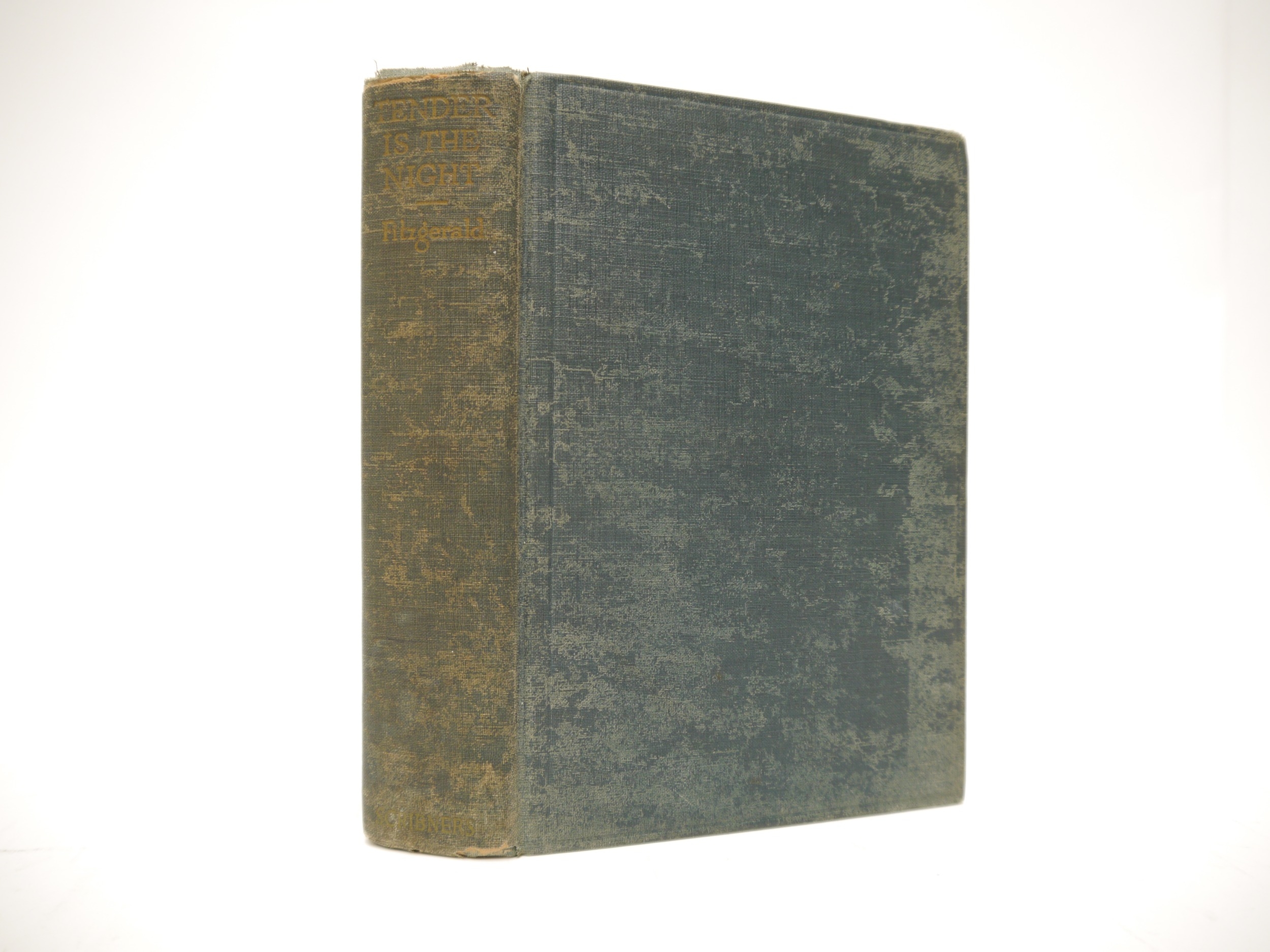
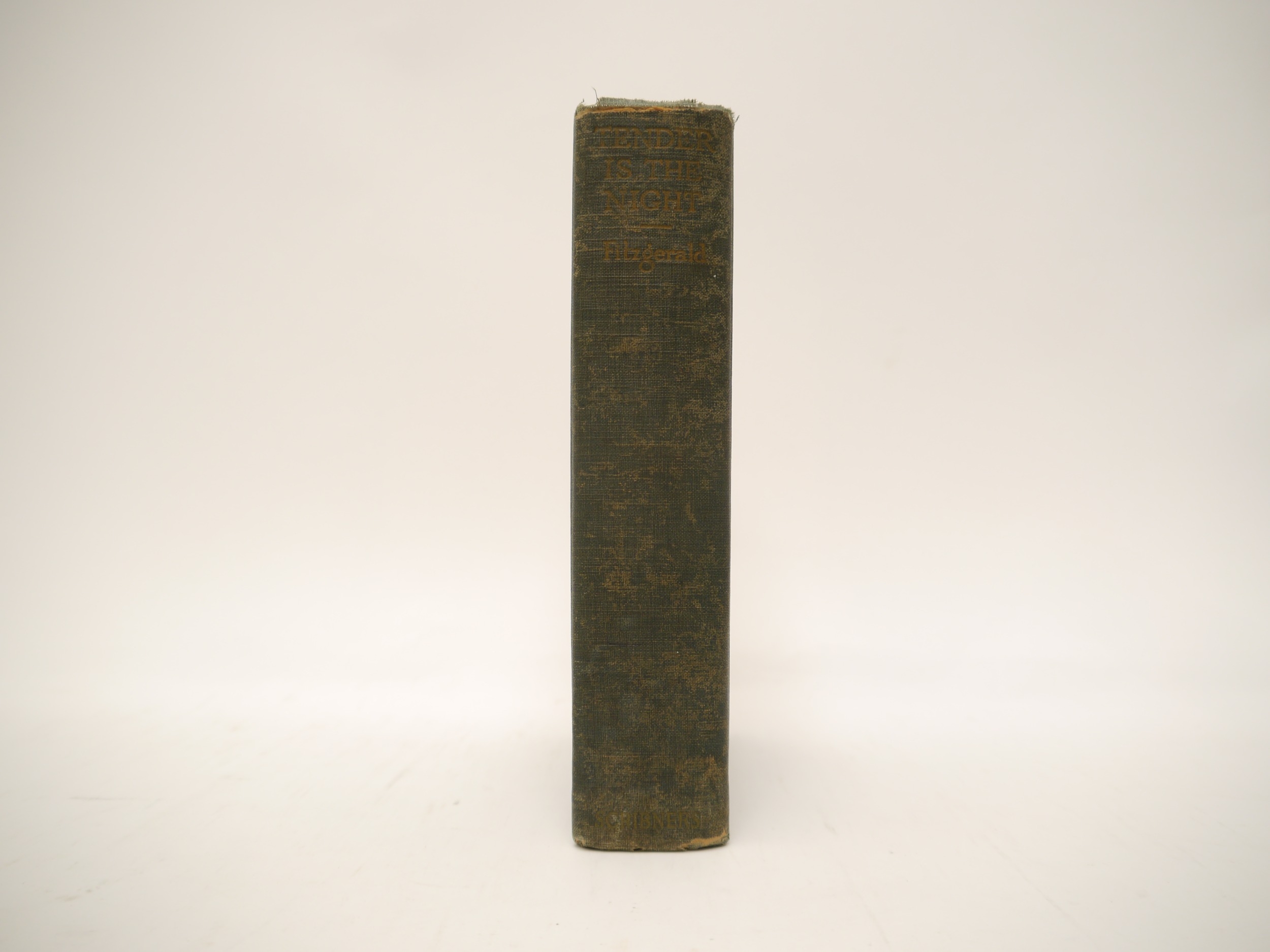
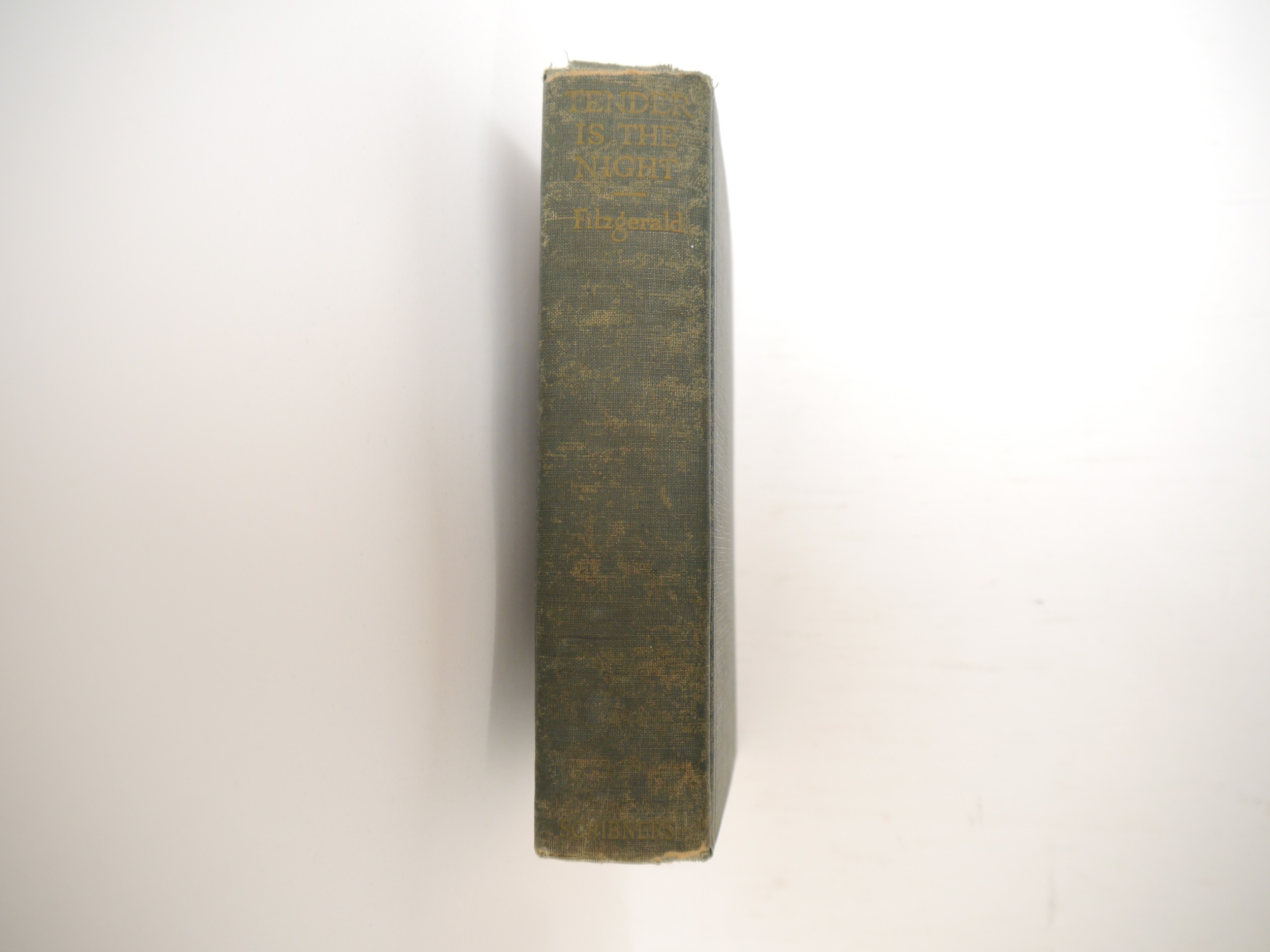
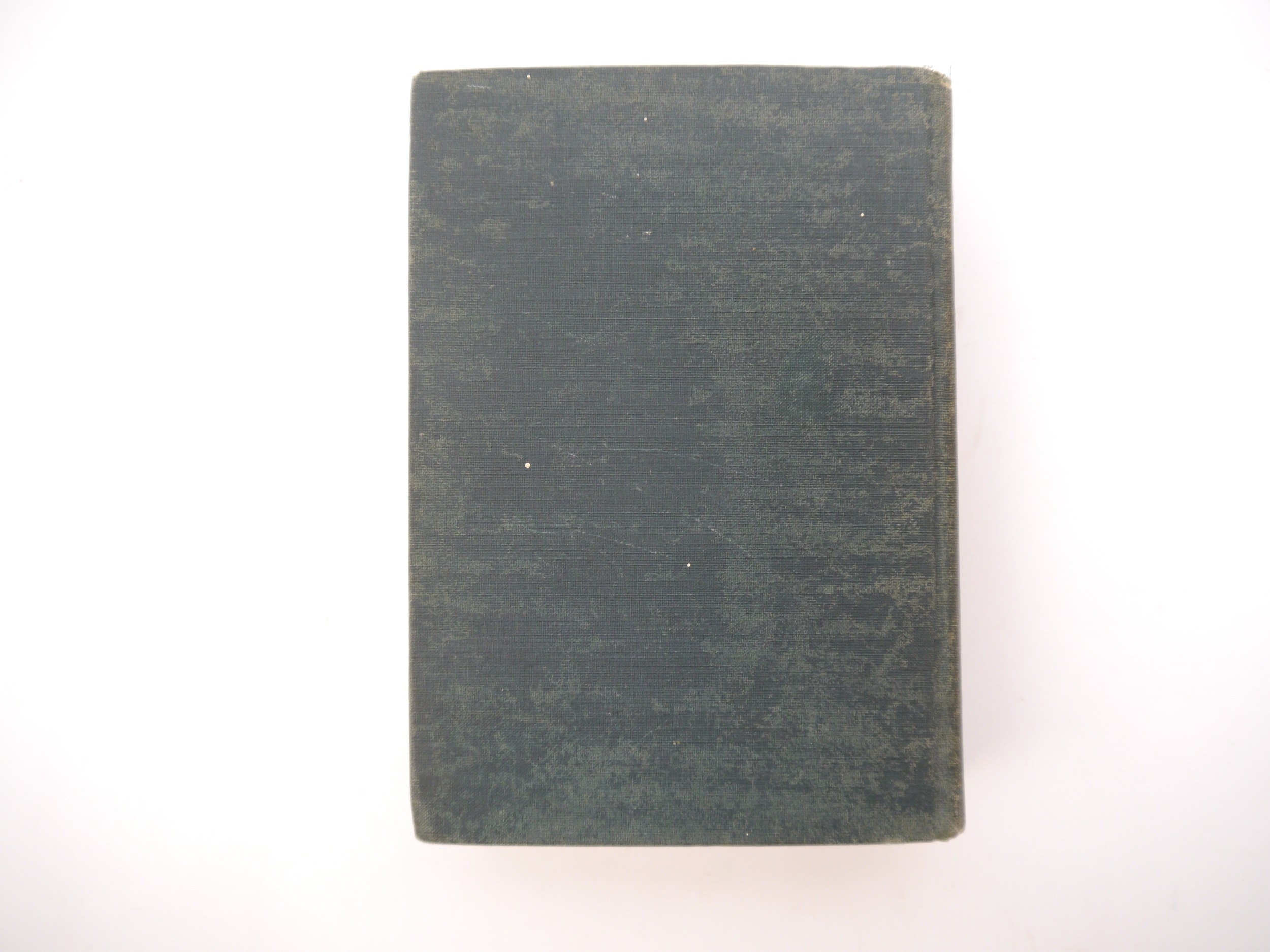
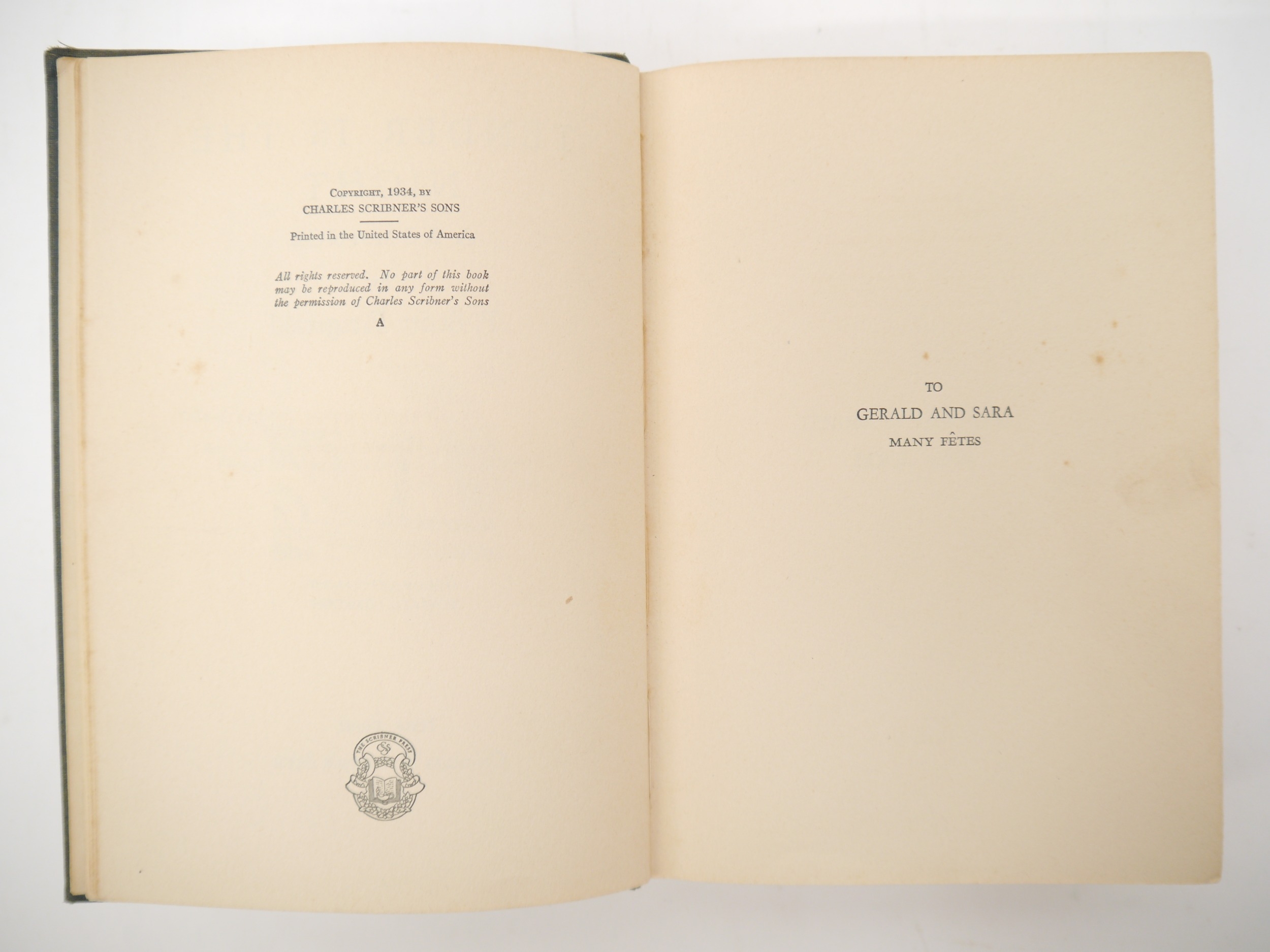
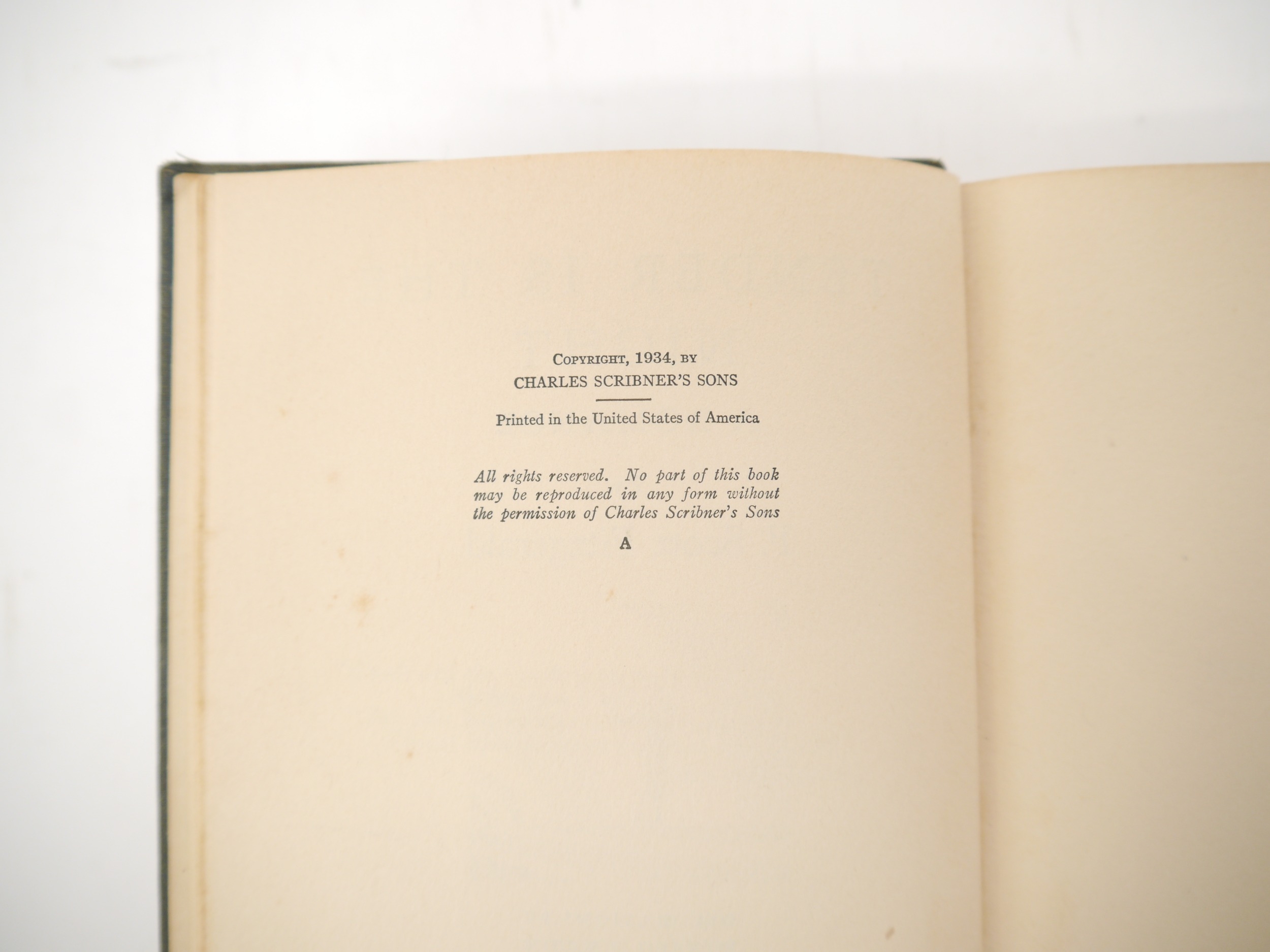
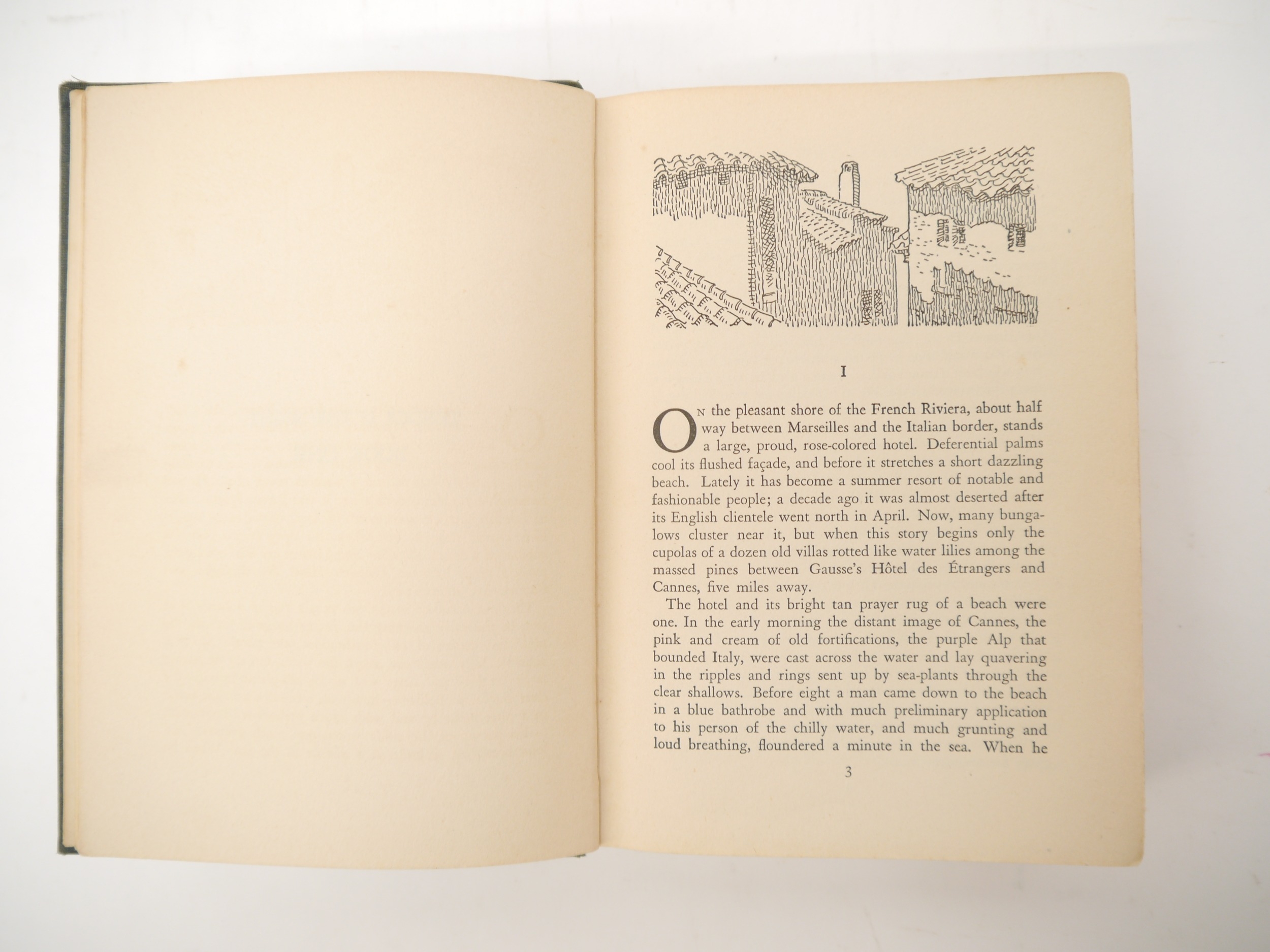
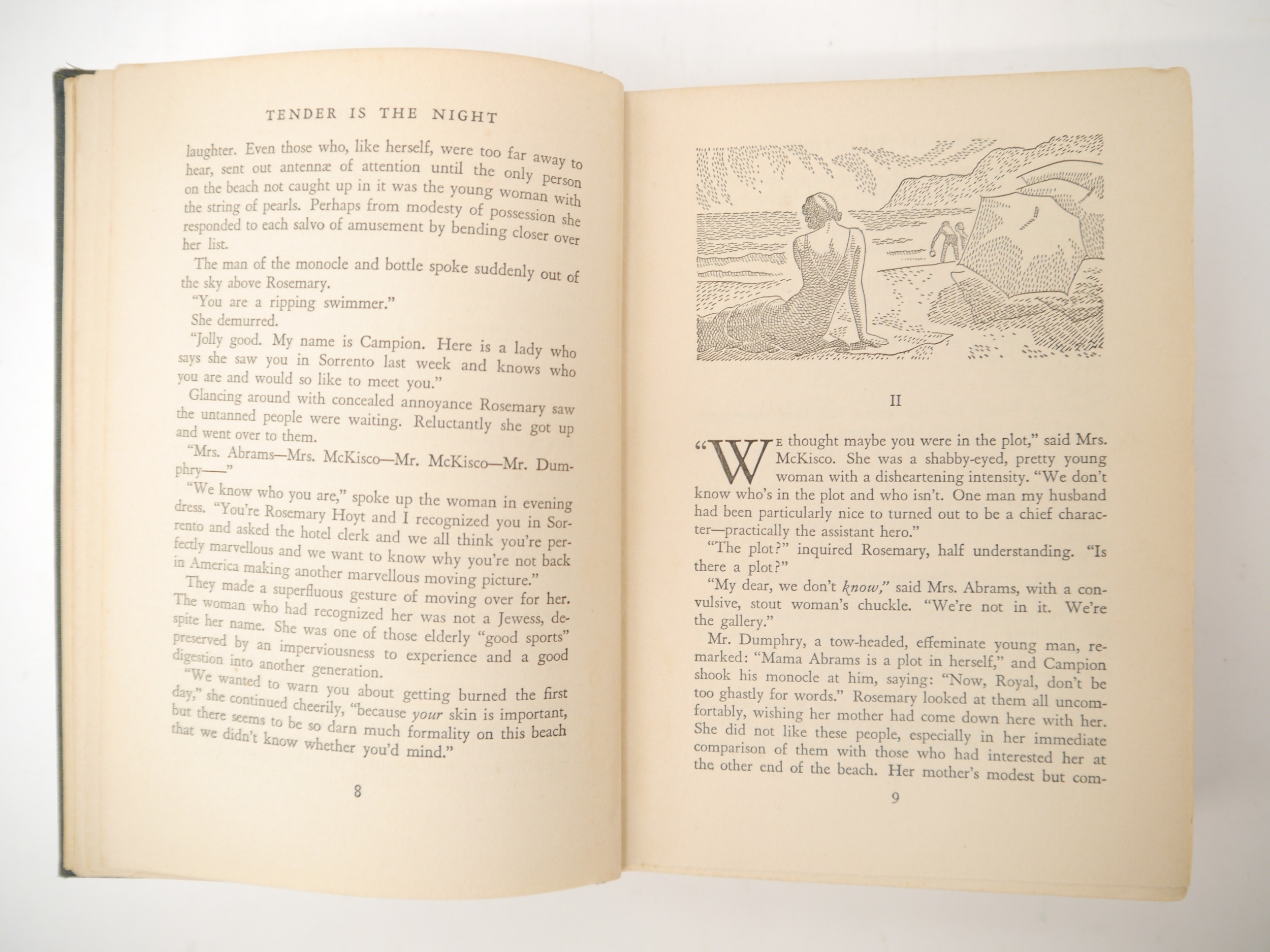
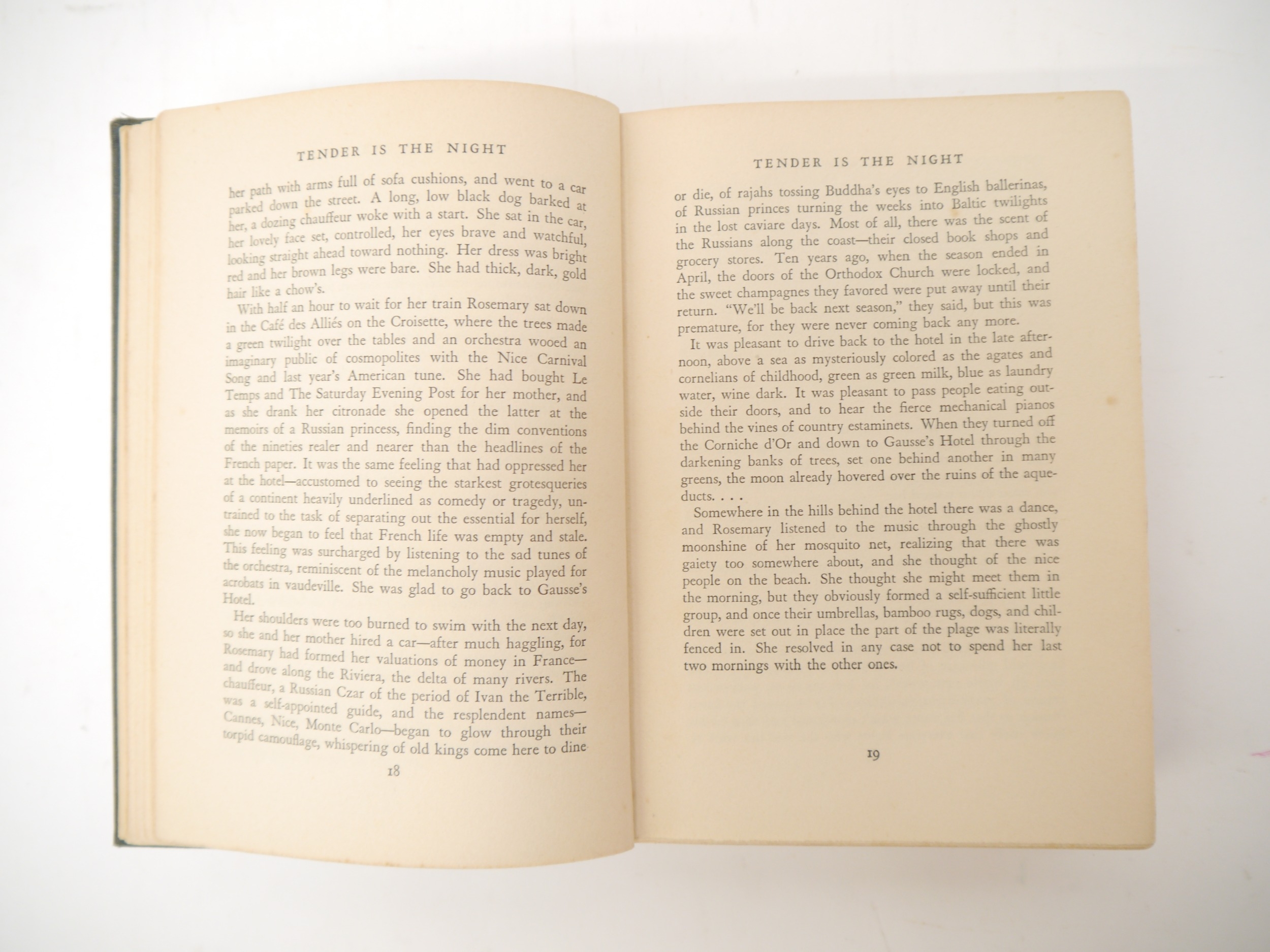
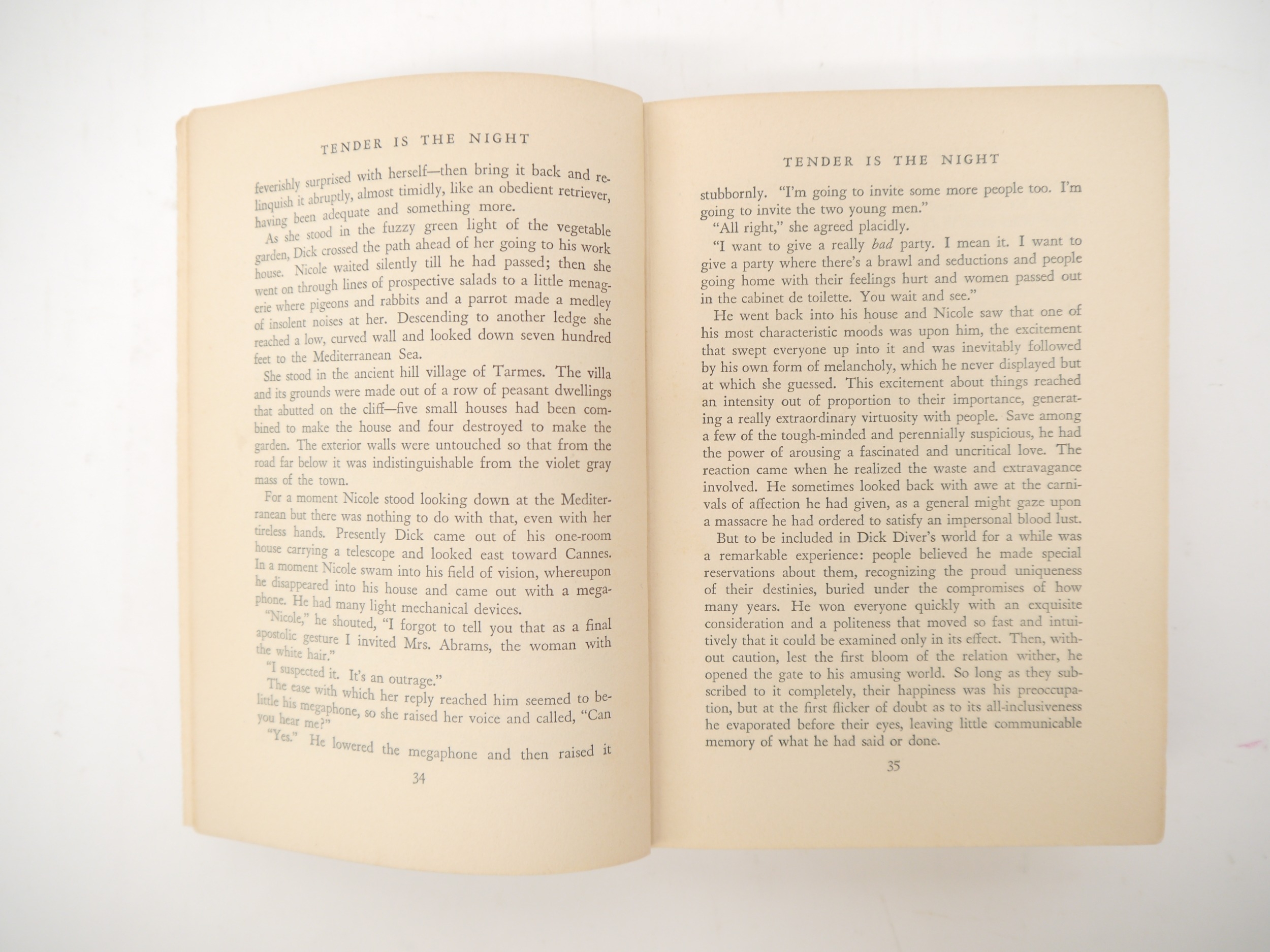
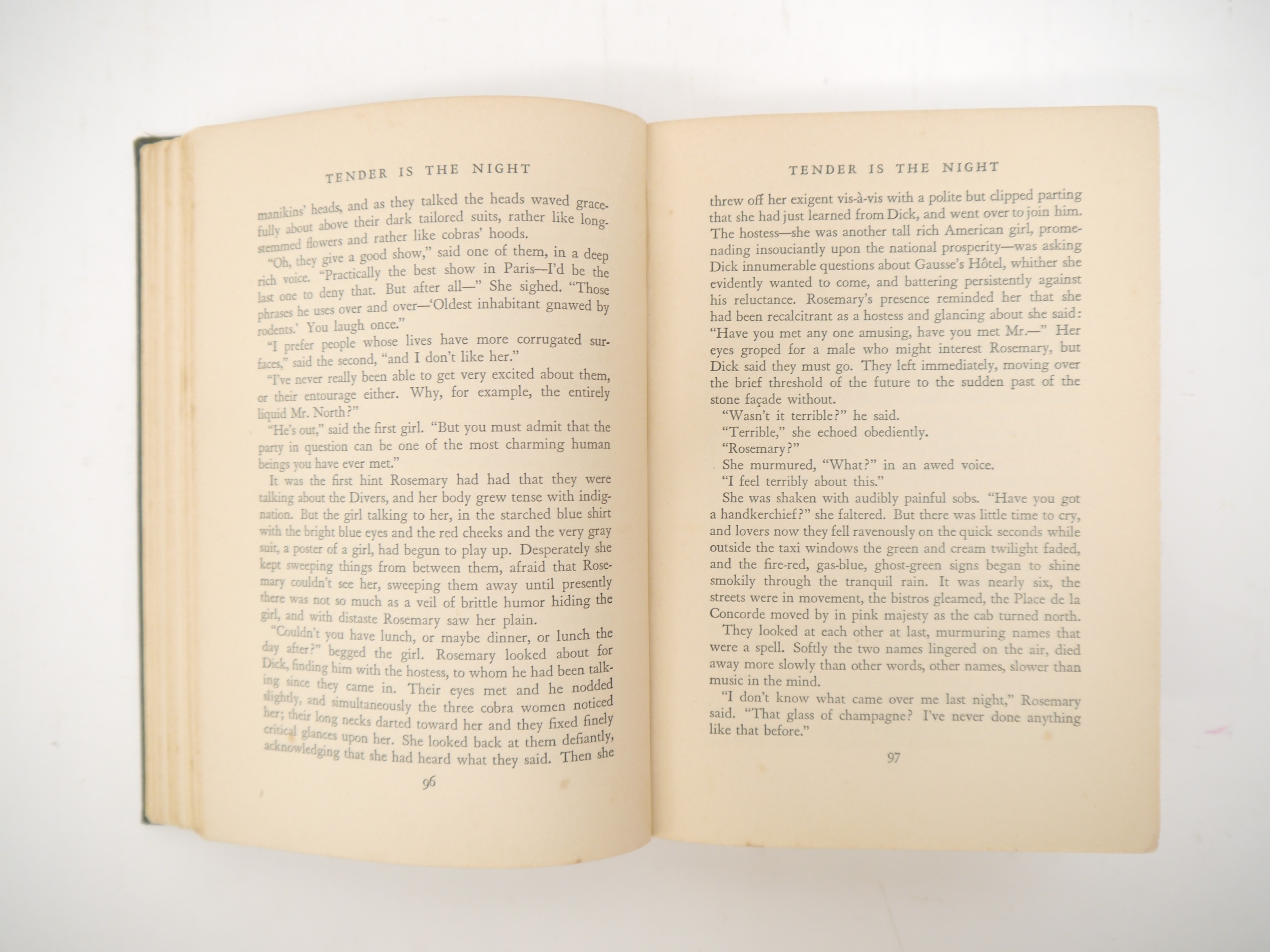
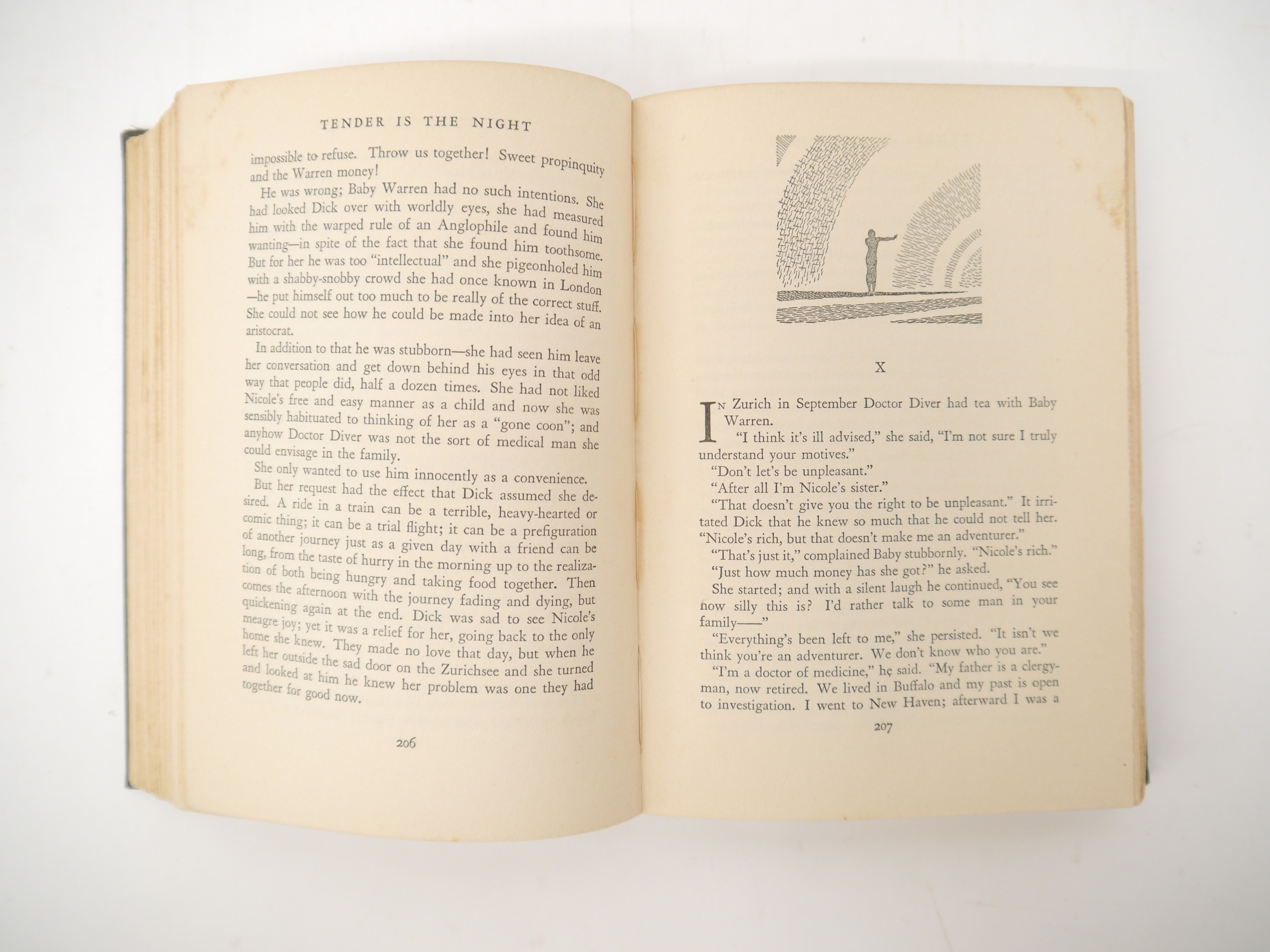
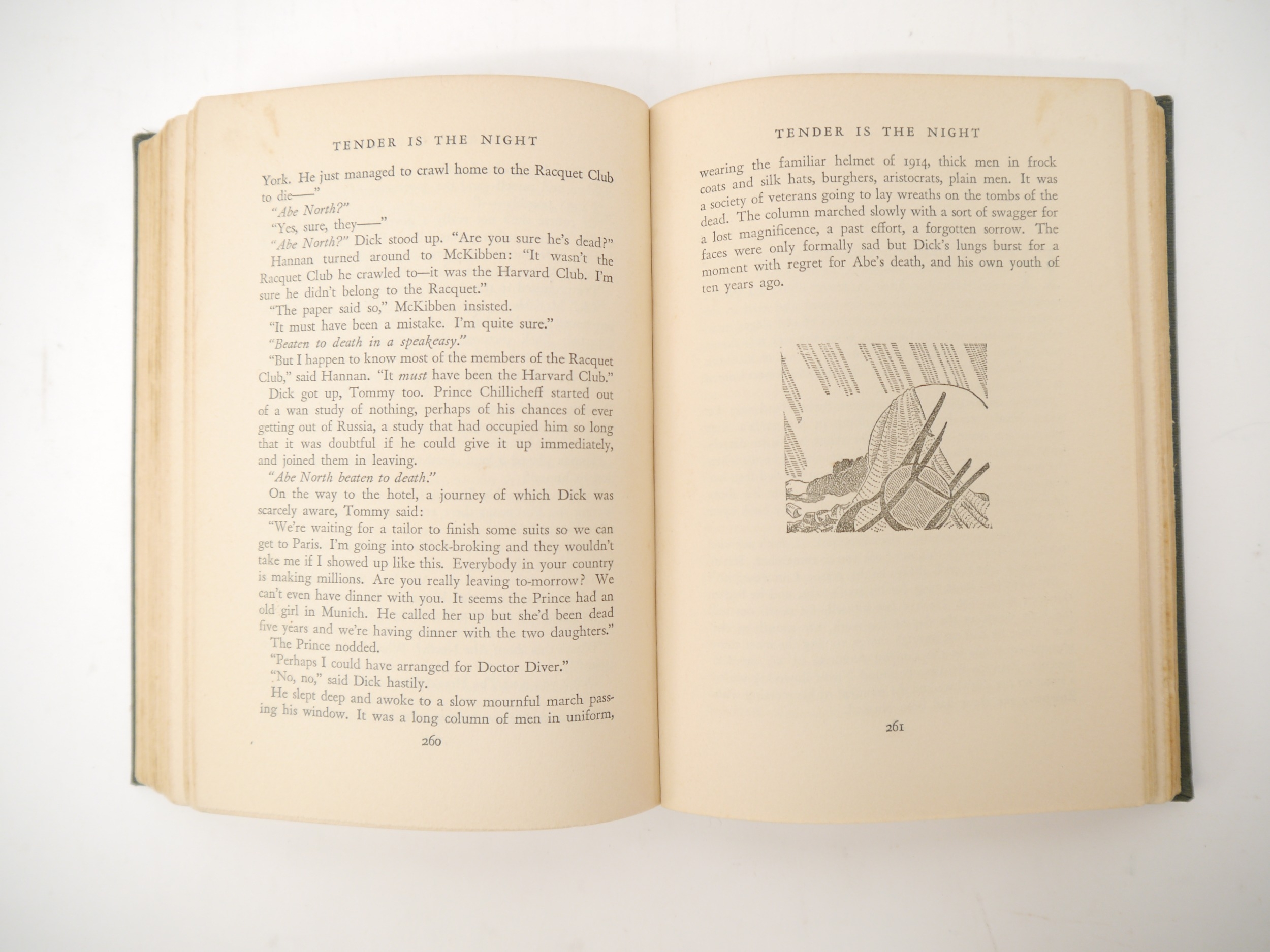
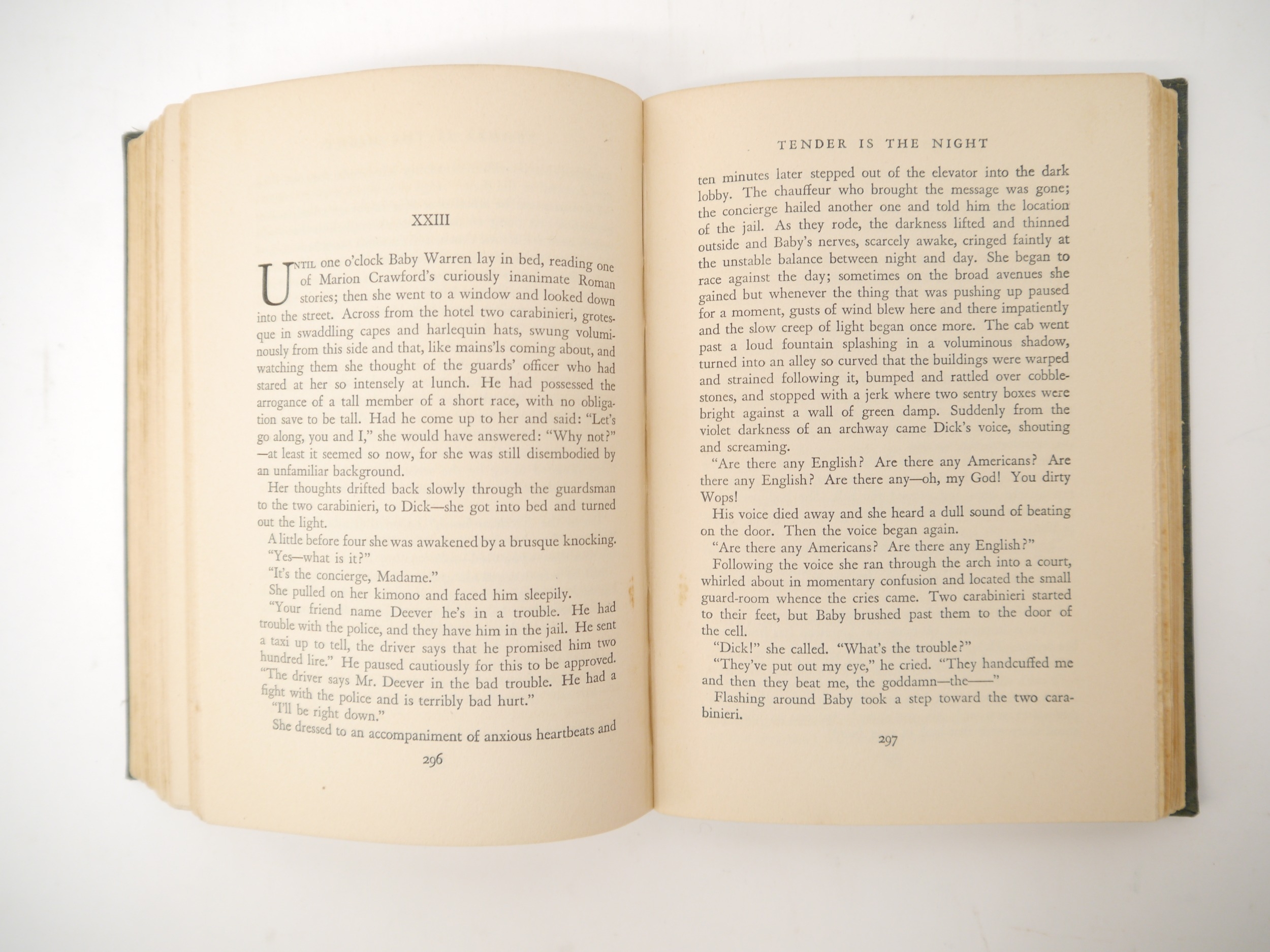
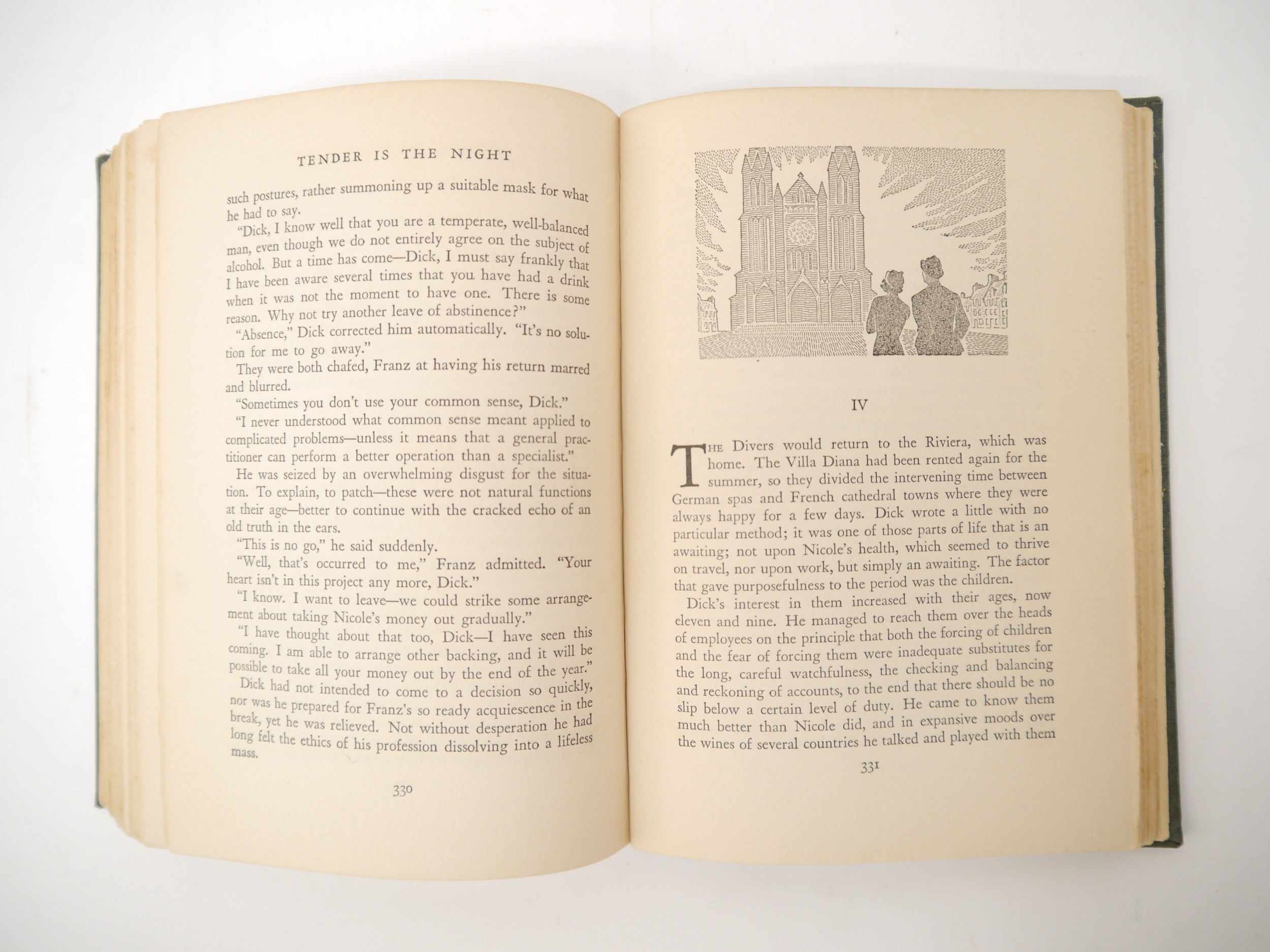
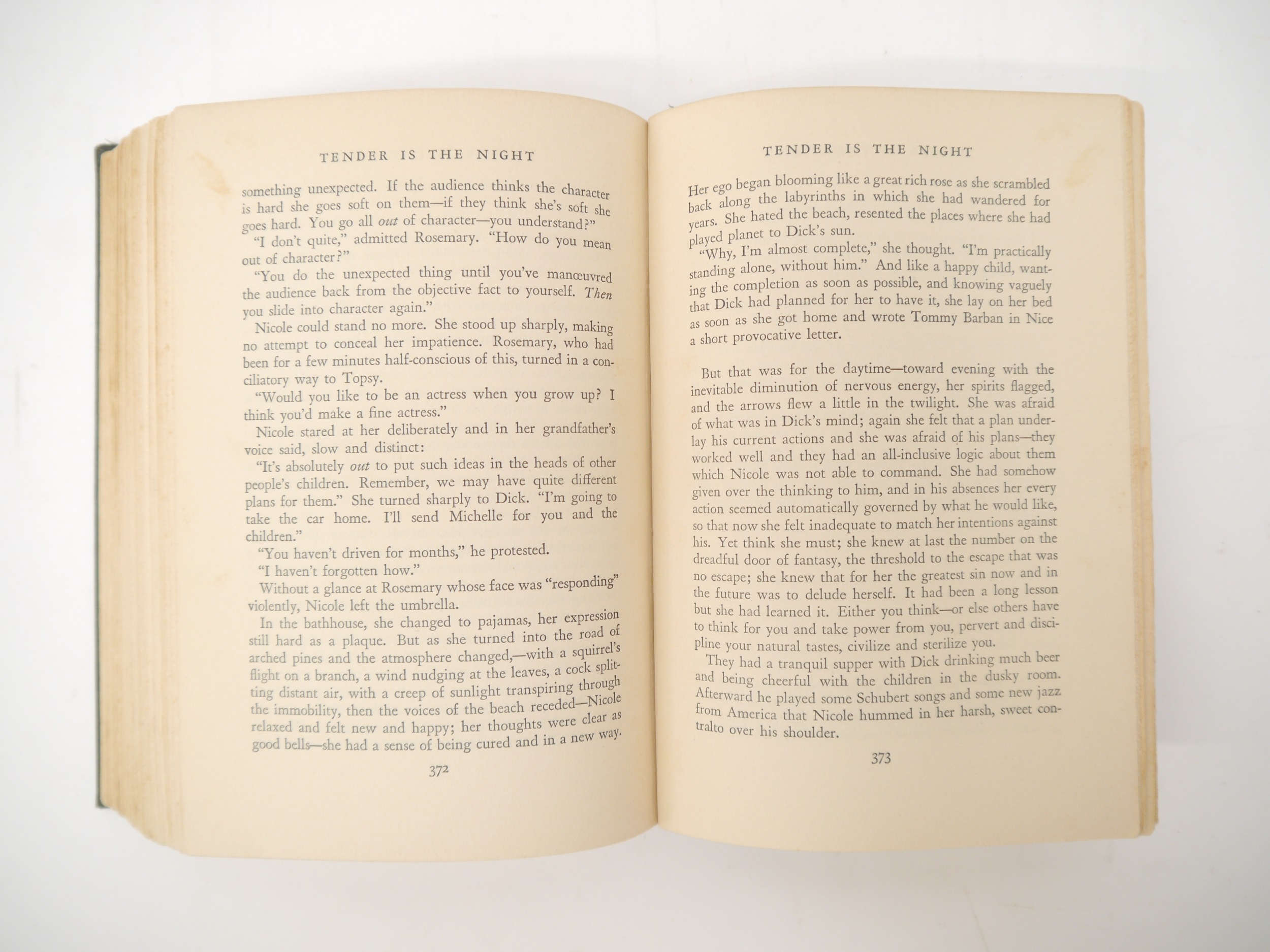
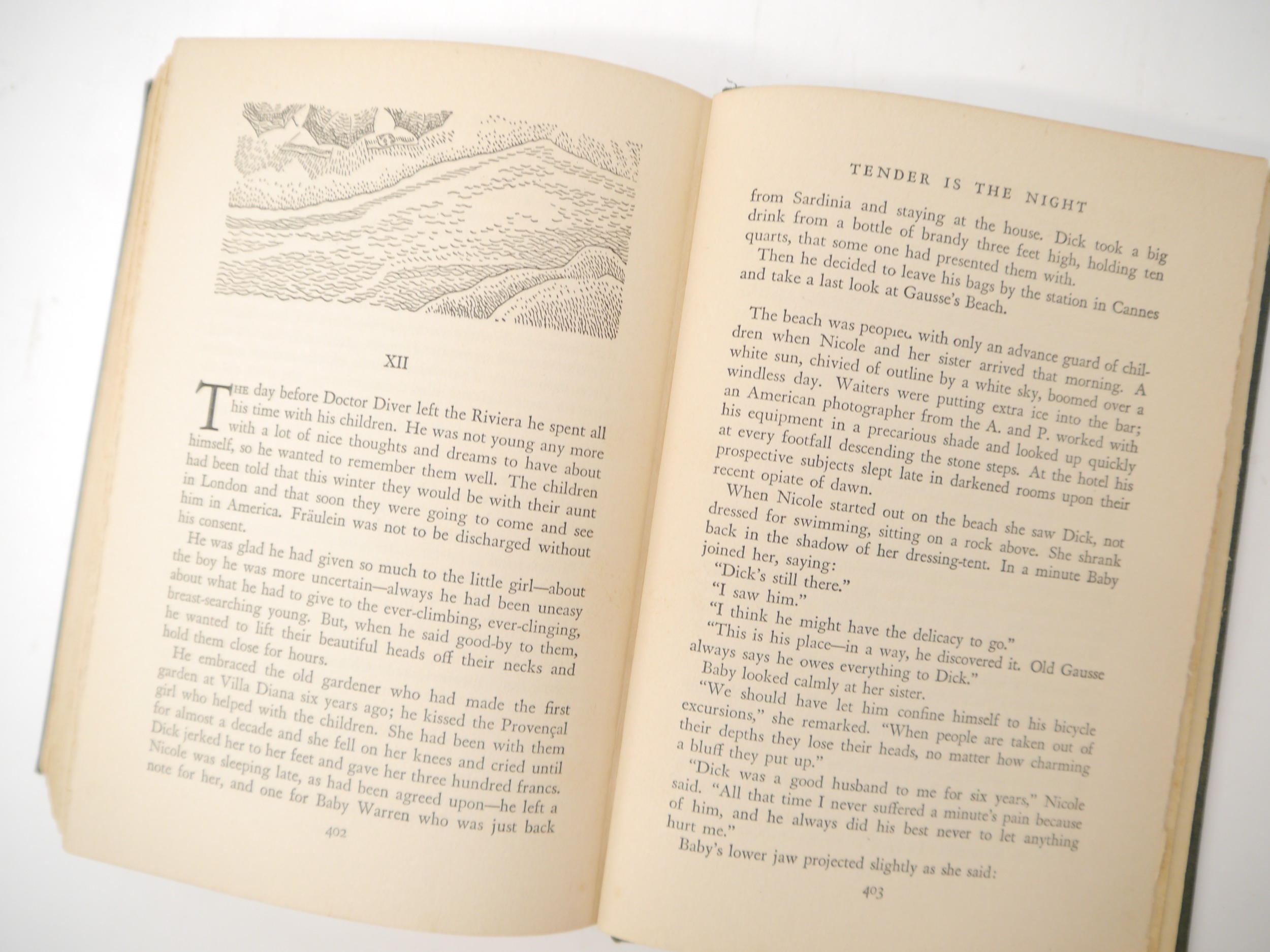
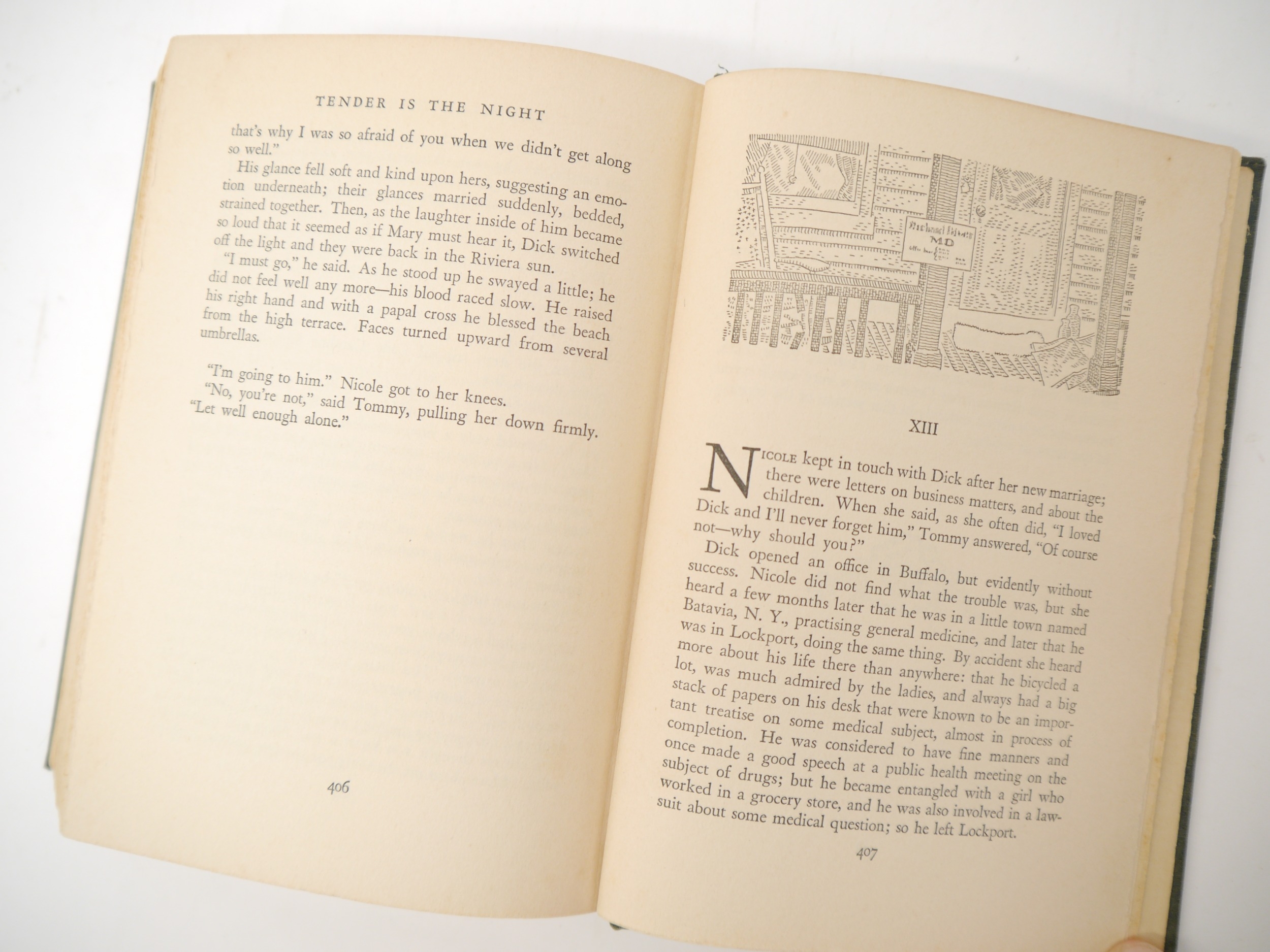
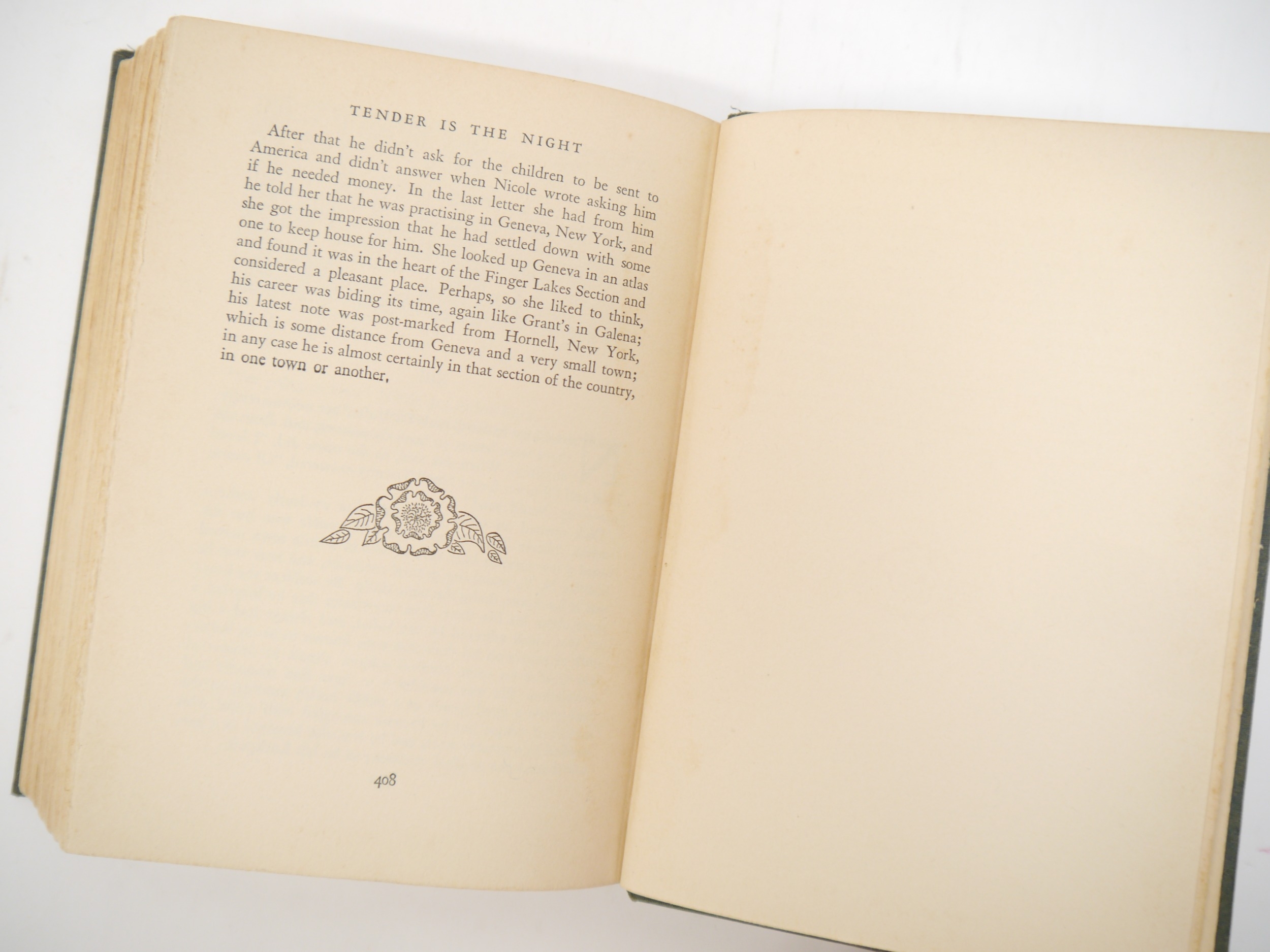
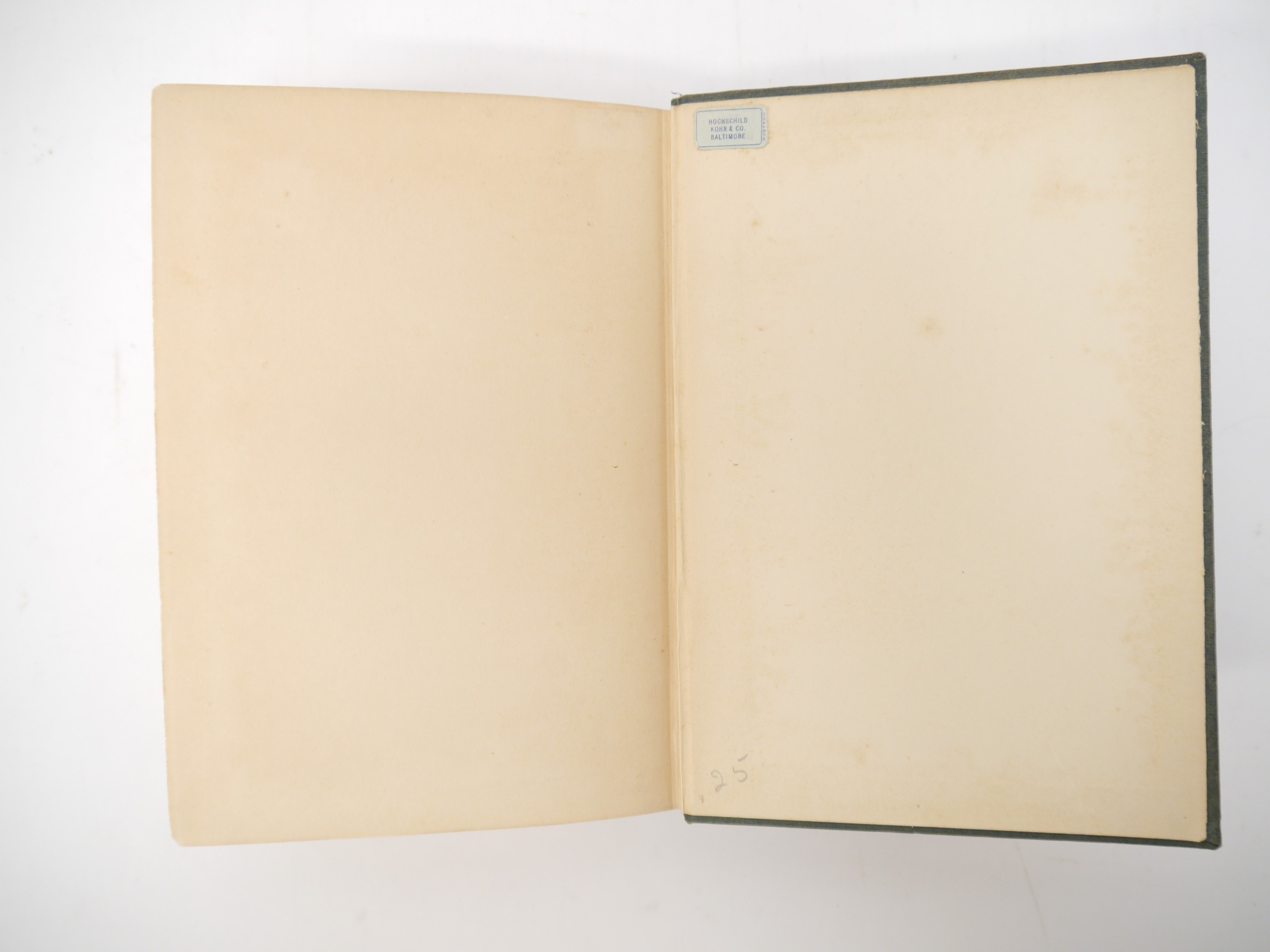
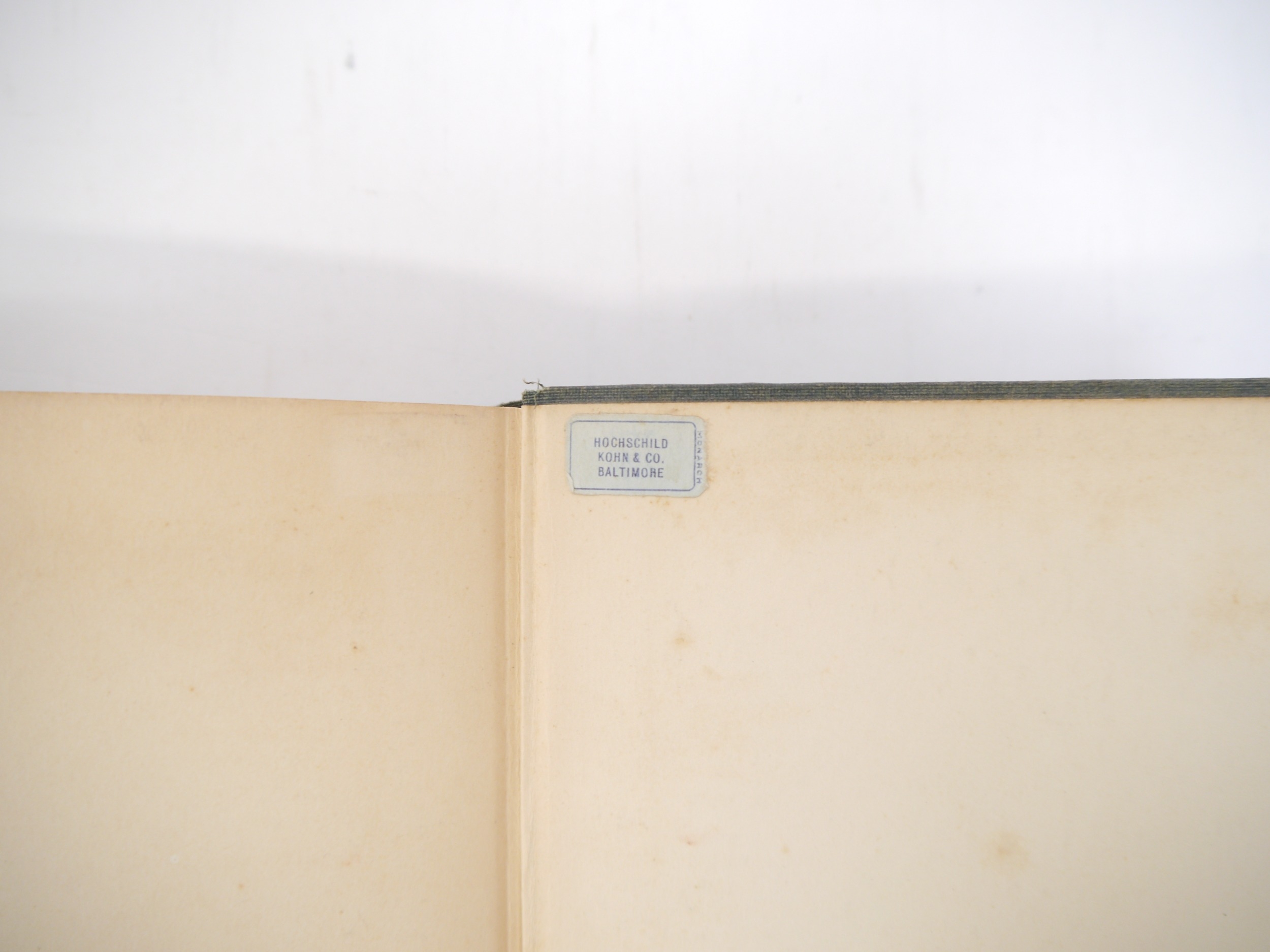
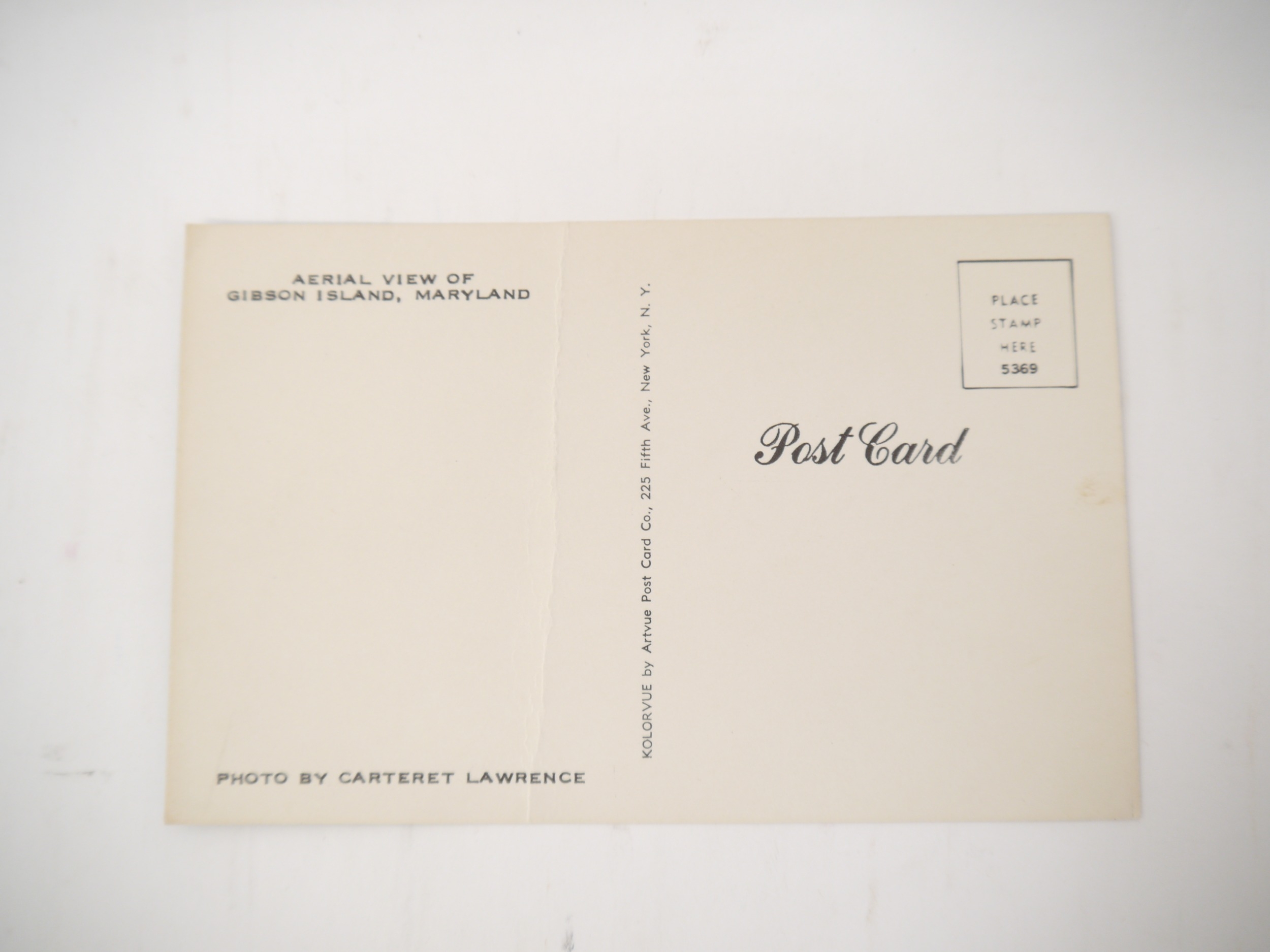
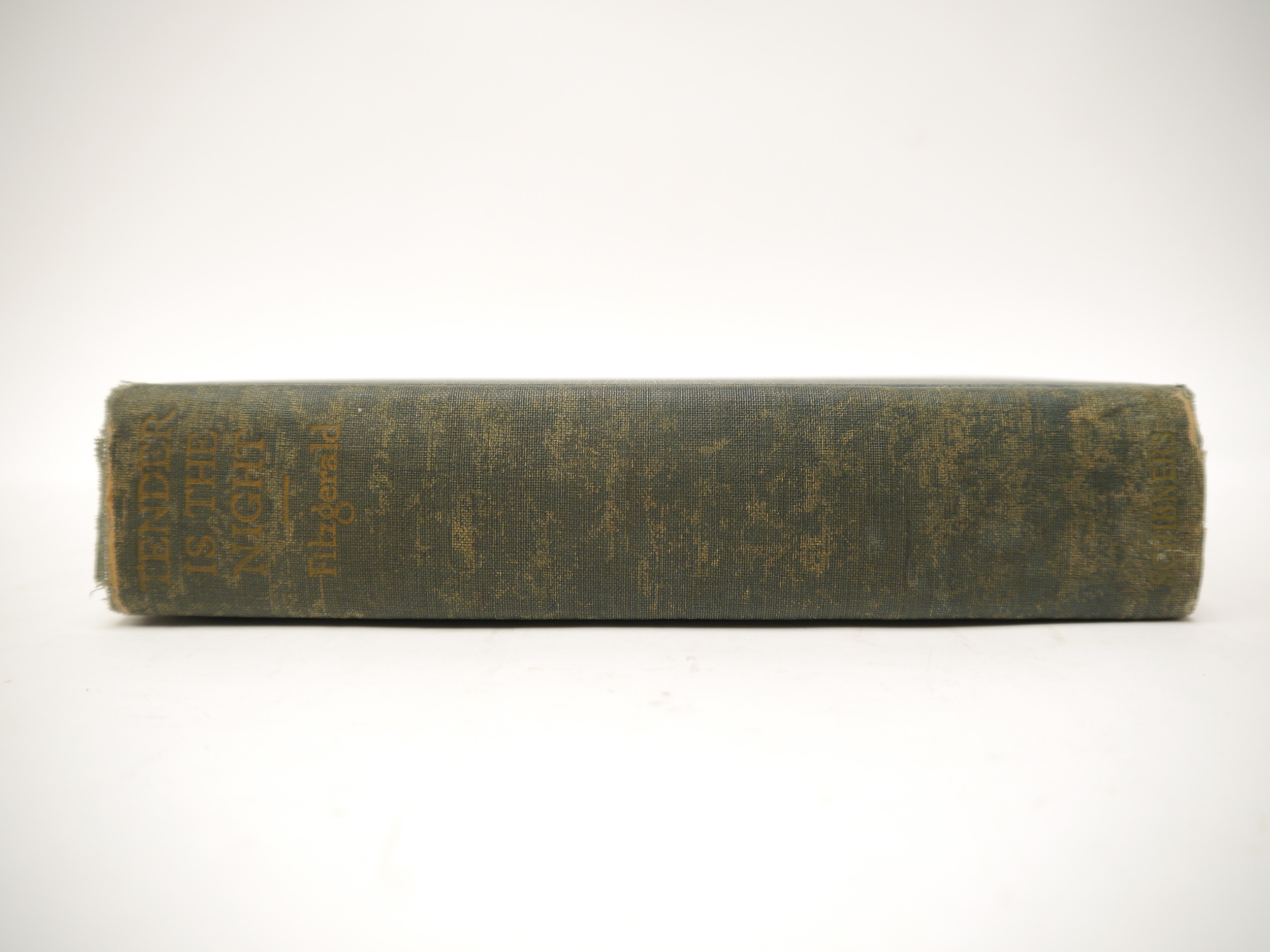
F. Scott Fitzgerald: 'Tender is the Night. A Romance.', New York, Charles Scribner's Sons, 1934, 1st edition, first issue with the Scribner's "A" on the copyright page, signed by the author at head of front free end paper, black & white illustrations by Edward Shenton, original publisher's cloth (slightly rubbed worn), some light sporadic foxing, else leaves generally clean/VGC throughout, small contemporary book trade label to rear pastedown of the Baltimore department store Hochschild, Kohn & Co, ownership signature on front pastedown of Vera Cameron Henderson "Vera Cameron Henderson Gibson Island", (née Vera Cameron Price Fitz Randolph), wife of William L. Henderson (1894-1984), American jurist who served as chief judge of the supreme court of the U.S. state of Maryland, contemporary ink stamps near foot of front pastedown “Pikesville gift and dress shop” (Pikesville being a north western suburb of Baltimore, Maryland), original publisher’s dark green cloth (discoloured, slightly rubbed and worn, slightly bumped/worn at corners and head and foot of spine), else square and tight, joints sound.
A rare signed first edition copy of the author's fourth and final novel, considered by Fitzgerald to be his masterpiece. Set in the French Riviera during the twilight of the Jazz Age, the 1934 novel chronicles the rise and fall of Dick Diver, a promising young psychiatrist, and his wife, Nicole, who is one of his patients. Set amidst the glamour of the interwar Riviera, ‘Tender’ is a work of febrile beauty and lyrical menace as a toxic love triangle threatens to engulf Dick and Nora Diver.
The story mirrors events in the lives of the author and his wife Zelda Fitzgerald as Dick starts his descent into alcoholism and Nicole descends into mental illness. Fitzgerald began the novel in 1925 after the publication of his third novel The Great Gatsby. During the protracted writing process, the mental health of his wife rapidly deteriorated, and she required extended hospitalization due to her suicidal and homicidal tendencies. The Fitzgerald's spent much of 1929 in Europe, that winter, Zelda's behaviour grew increasingly erratic and violent. During an automobile trip to Paris along the mountainous roads of the Grande Corniche, Zelda seized the car's steering wheel and tried to kill herself along with Fitzgerald and their nine-year-old daughter by driving over a cliff. Following this homicidal incident, doctors diagnosed Zelda with schizophrenia in June 1930, the couple then travelled to Switzerland, where Zelda underwent treatment at a clinic, fighting her way back to sanity over 15 months. After Zelda’s release in September 1931, the couple and Scottie, then 10, returned to the United States, but five months later, Zelda fell apart again. In February 1932, she underwent hospitalization at the Phipps Clinic at Johns Hopkins University in Baltimore, Maryland. During this time, Fitzgerald rented the rambling Victorian cottage called “La Paix” from Baltimore architect Bayard Turnbull in the suburb of Towson, Maryland. Here he continued to write short stories as he had done for many years, fuelled by his diminished income and rising debts, as well as continuing working on 'Tender is the Night', which drew heavily on recent experiences.
During her stay at the Phipps Clinic, Zelda wrote her own fictionalized version of the same autobiographical events in her novel ‘Save Me the Waltz’, which led to a marital crisis. Piqued by what he saw as theft of his novel's plot material, Fitzgerald felt personally betrayed and attacked by the book, and would later describe Zelda as a plagiarist and a third-rate writer. Though he approved the publication of the novel, Fitzgerald was adamantly opposed to Zelda continuing to write fiction, and the couple continued to argue over who had the greater right to use the raw material of their lives. A two-hour session at La Paix with Phipps psychiatrist Thomas Rennie, was “the Armageddon of marital fights,” Bell said, and ended with both of them threatening to “go to law” (end the marriage). Fitzgerald’s alcoholism had reached an acute stage in the summer of 1934, he was under enormous emotional and financial stress. A June 1933 fire at La Paix— caused by Zelda setting fire to some papers in an unused fireplace on the second floor of the house— led to Bayard Turnbull cancelling their lease. Fitzgerald begged to be allowed to stay in the fire-damaged house until he finished his book and Turnbull agreed. ‘Tender Is the Night’ was finally published in April 1934, selling only 13,000 copies and receiving mixed reviews. Hemingway and others argued that criticism stemmed from superficial readings of the material and from Depression-era America's reaction to Fitzgerald's status as a symbol of Jazz Age excess. F. Scott Fitzgerald literally put his soul into Tender Is the Night, and the novel's lack of commercial success upon its initial publication in 1934 shattered him. He would die six years later without having published another novel, and without knowing that Tender Is the Night, would come to be seen as perhaps his most poignant masterpiece. An exquisite, lyrical novel, the most ambitious and far-reaching of Fitzgerald’s career, in which he experimented radically with narrative conventions of chronology and point of view and drew on early breakthroughs in psychiatry to enrich his account of the makeup and breakdown of character and culture. The most intensely, even painfully, autobiographical of Fitzgerald's novels; it smoulders with a dark, bitter vitality because it is so utterly true. This account of a caring man who disintegrates under the twin strains of his wife's derangement and a lifestyle that gnaws away at his sense of moral values offers an authorial cri de coeur, while Dick Diver's downward spiral into alcoholic dissolution is an eerie portent of Fitzgerald's own fate.
Fitzgerald called Baltimore home from 1932 to 1937, giving the peripatetic Fitzgerald family something they’d never really had before: a home. The relative stability of Baltimore and having his family all in one place may have given Fitzgerald what he needed to finish ‘Tender is the Night’. Though most biographical accounts of Fitzgerald’s life treat the Baltimore years as unremittingly bleak, literary scholar Joan Hellman, who has long researched the author’s life in Baltimore, says that the Fitzgerald’s “had a normal family life here for a while, until Zelda’s second breakdown.” Even before he moved to Baltimore, Fitzgerald felt a kinship with the place, as his family was from Maryland, and it was famously where his relative and namesake Francis Scott Key wrote “The Star-Spangled Banner.” A parade of famous friends visited the Fitzgerald’s in Baltimore, including John Dos Passos, Gertrude Stein, Thomas Wolfe, Edmund Wilson and Malcolm Cowley. Fitzgerald made many other friends in Baltimore and was far from being a recluse even in his darkest days. The Fitzgerald’s— Scott, Zelda and Scottie— are buried at St. Mary’s Church in Rockville, close by Scott’s parents and other Maryland relations. In a 1936 letter to his secretary, Fitzgerald wrote “I love Baltimore more than I thought— it is so rich with memories— it is nice to look up the street and see the statue of my great uncle & to know that Poe is buried here and that many ancestors have walked in the old town by the bay. I belong here, where everything is civilized and gay and rotted and polite. And I wouldn’t mind a bit if in a few years Zelda & I could snuggle up together under a stone in some old graveyard here. That is really a happy thought and not melancholy at all.”
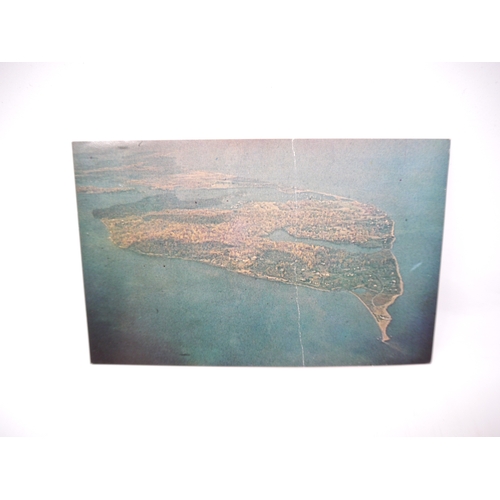
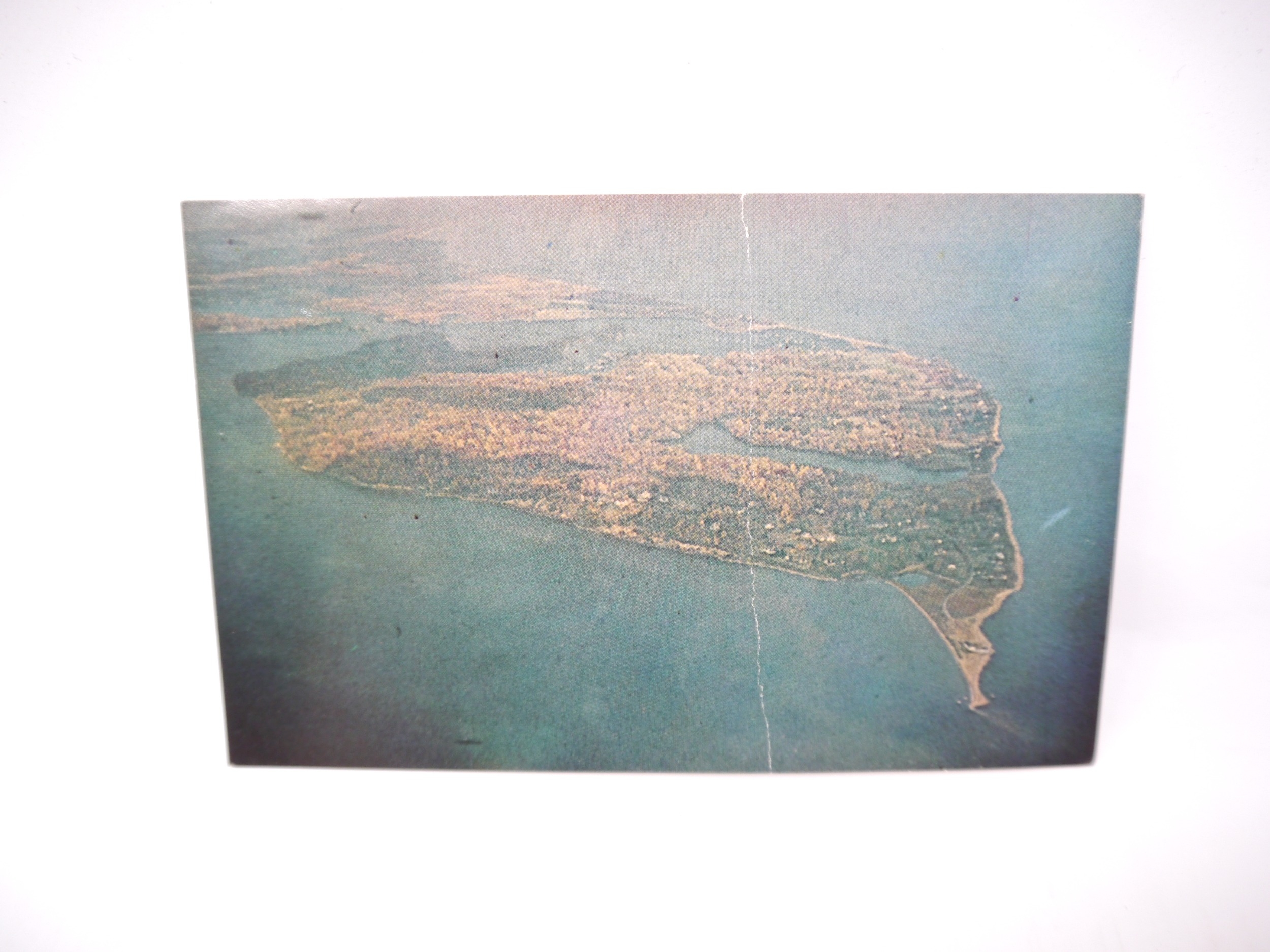
William Henderson (1894-1984) was raised on the Eastern shore of Maryland and received his early education from the Gilman School, Baltimore, then following WW1 entered into private law in Baltimore until 1931, when he was appointed Assistant Attorney General of Maryland, a position he served in until 1941. He served as Chairman of the Maryland Tax Commission 1941-1943, as a judge of the Supreme Bench of Baltimore City 1943-44, appointed to the Maryland Court of Appeals 1944 and remained in that position until 1964. After his tenure in court, he served as a delegate from Anne Arundel County to the Maryland Constitutional Convention of 1967 (Gibson Island is part of Anne Arundel County, Maryland, on the western shore of the Chesapeake Bay). He married Vera Cameron Price Fitz Randolph on August 23, 1923. A rare signed first edition copy of the author's fourth and final novel, with an interesting Maryland association
Fees apply to the hammer price:
Free Registration
25.6% inc VAT*
Flat Fee Registration
22.00% inc VAT*