€30,000 - €50,000
LOUIS LE BROCQUY HRHA (1916 - 2012)
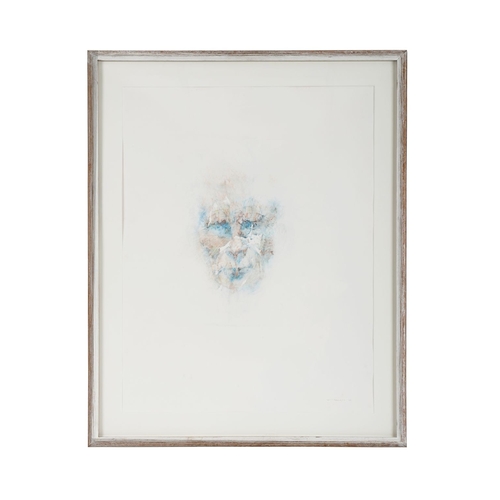
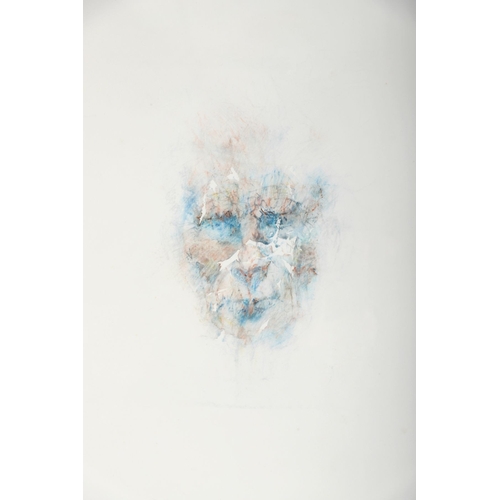
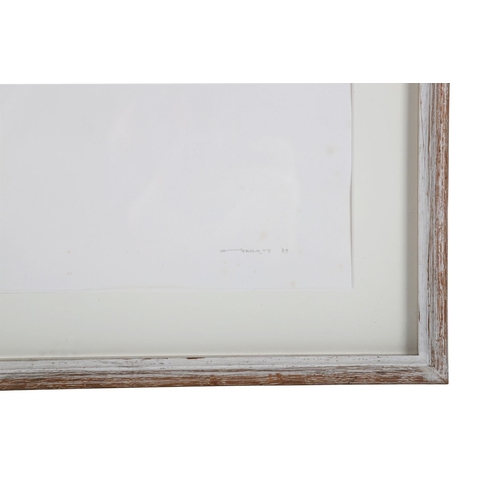
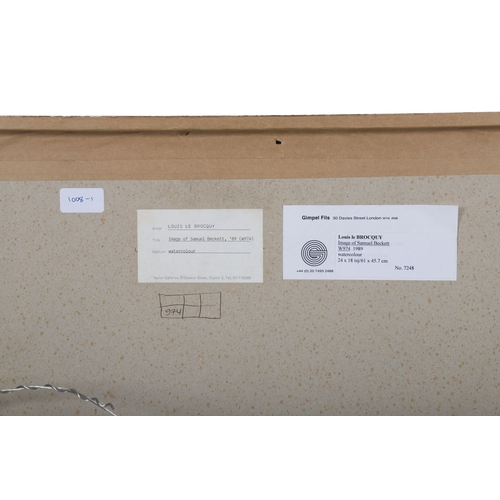
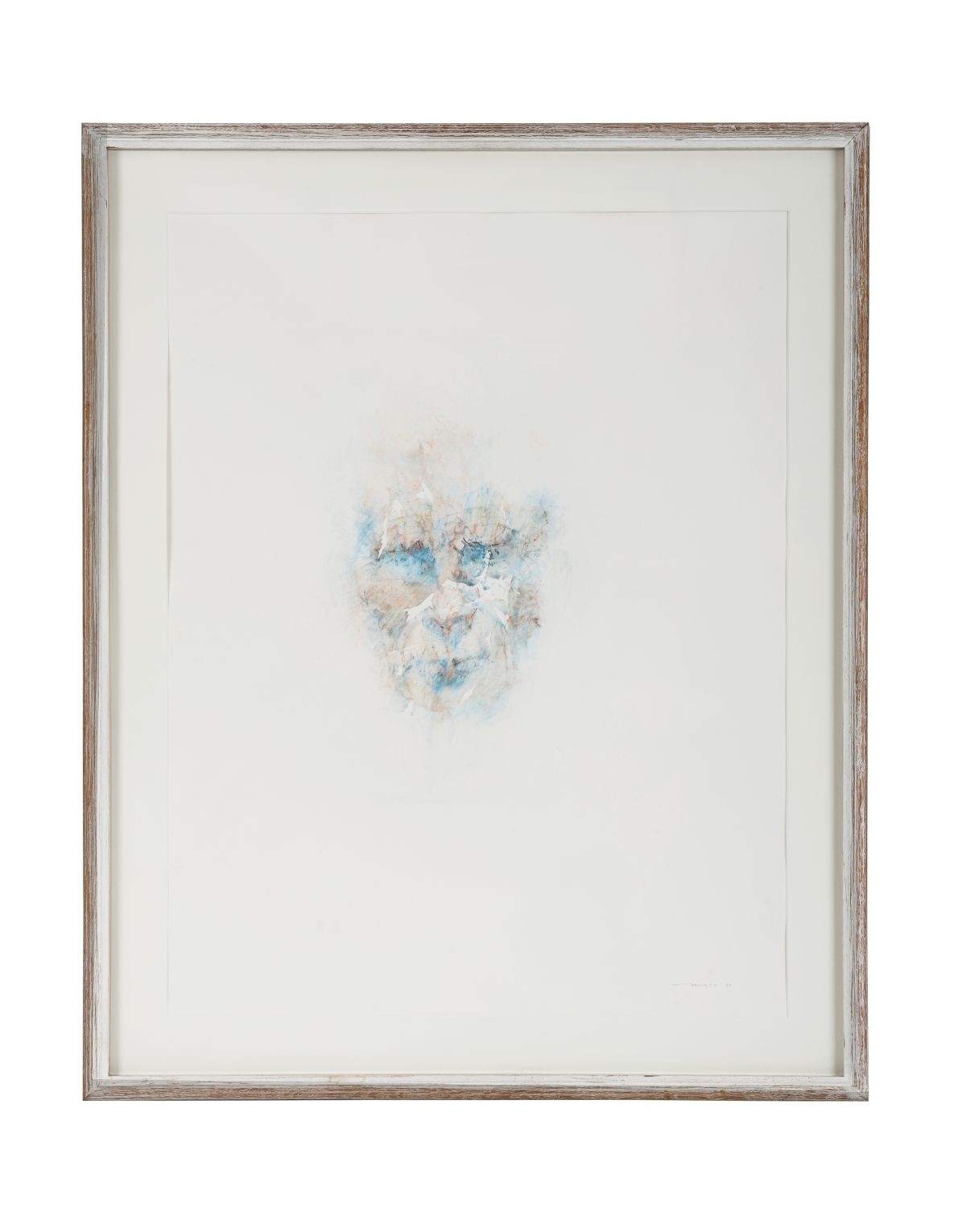
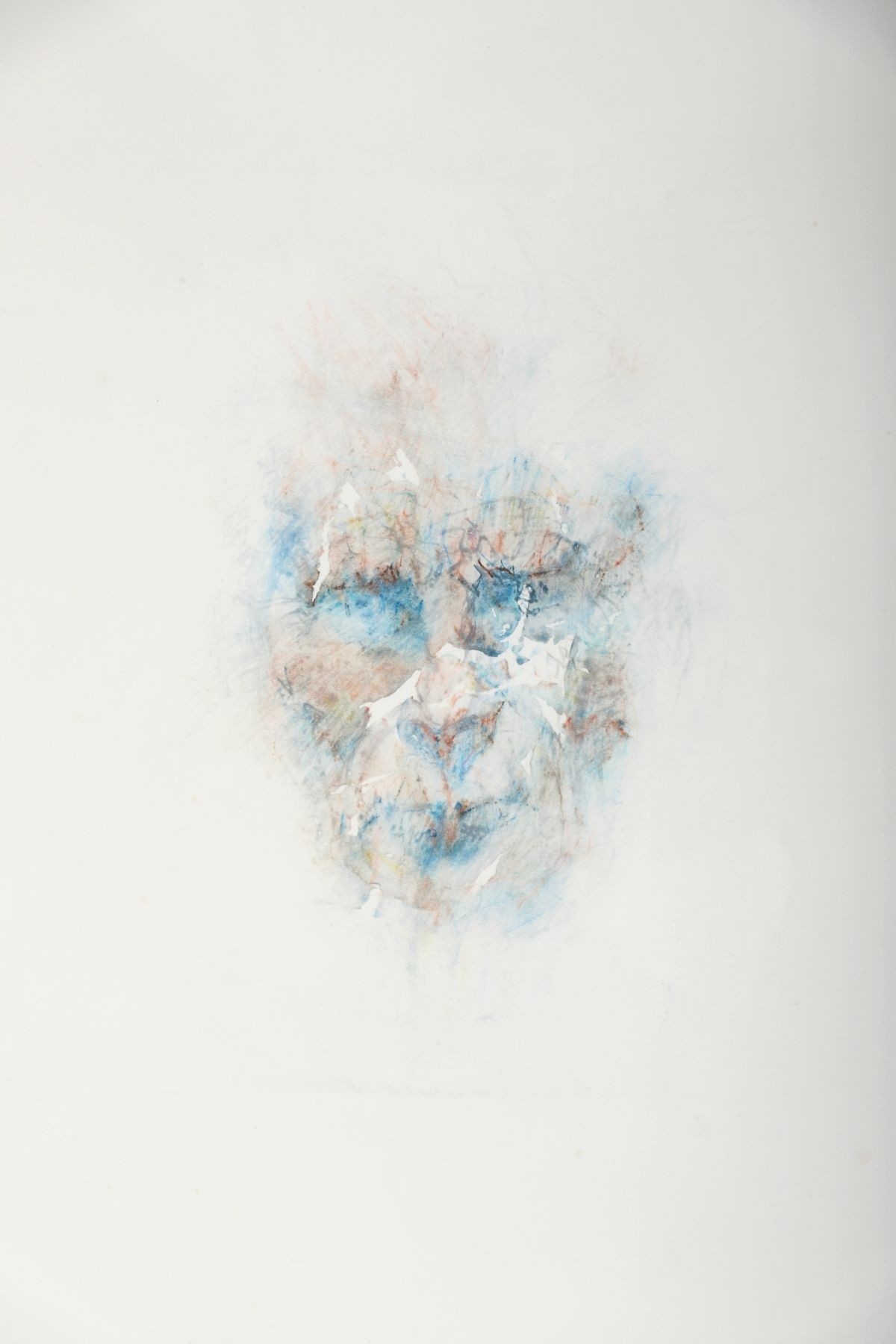
Title: Image of Samuel Beckett (1989)
Medium: Watercolour
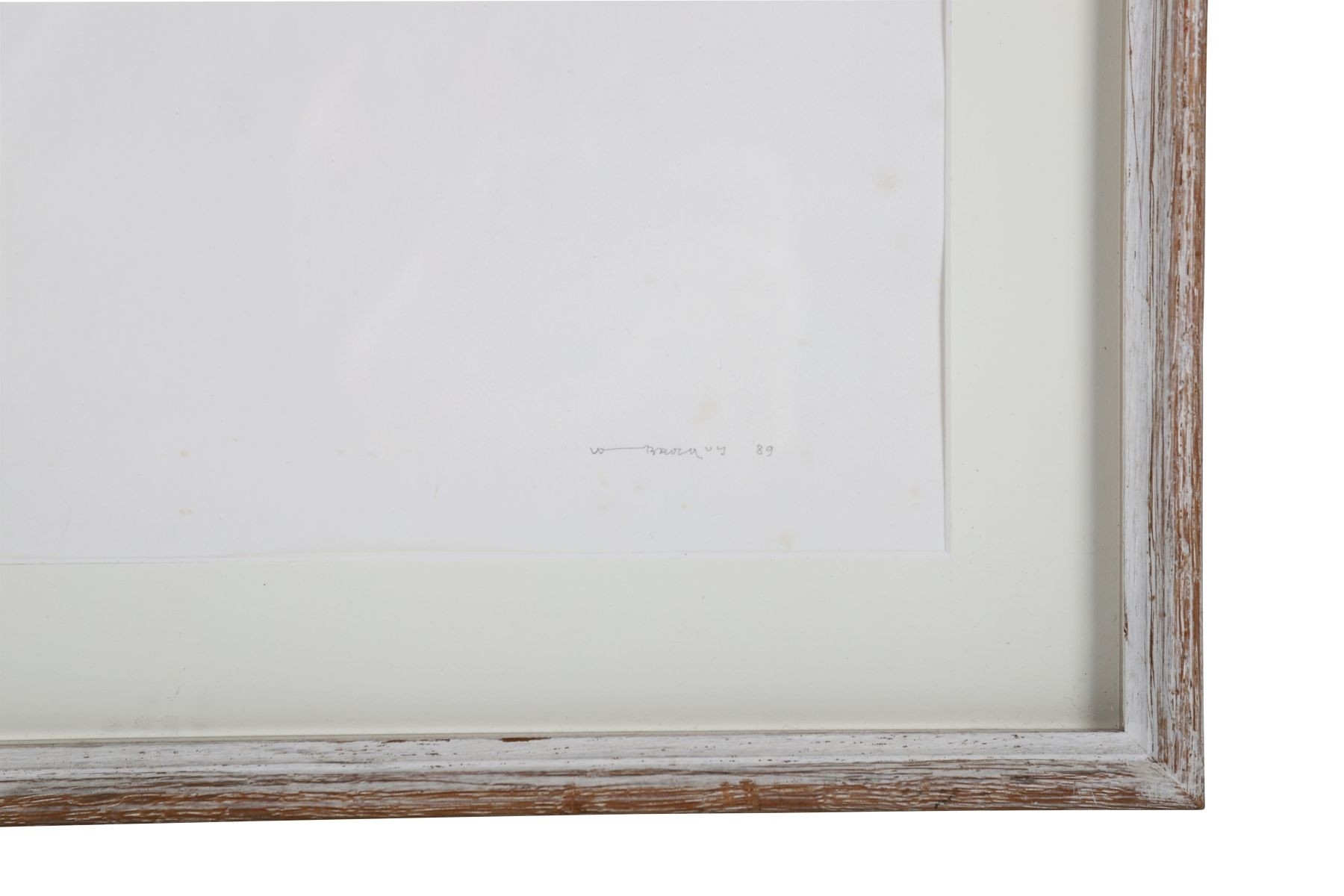
Signature: Signed and Dated Lower Right
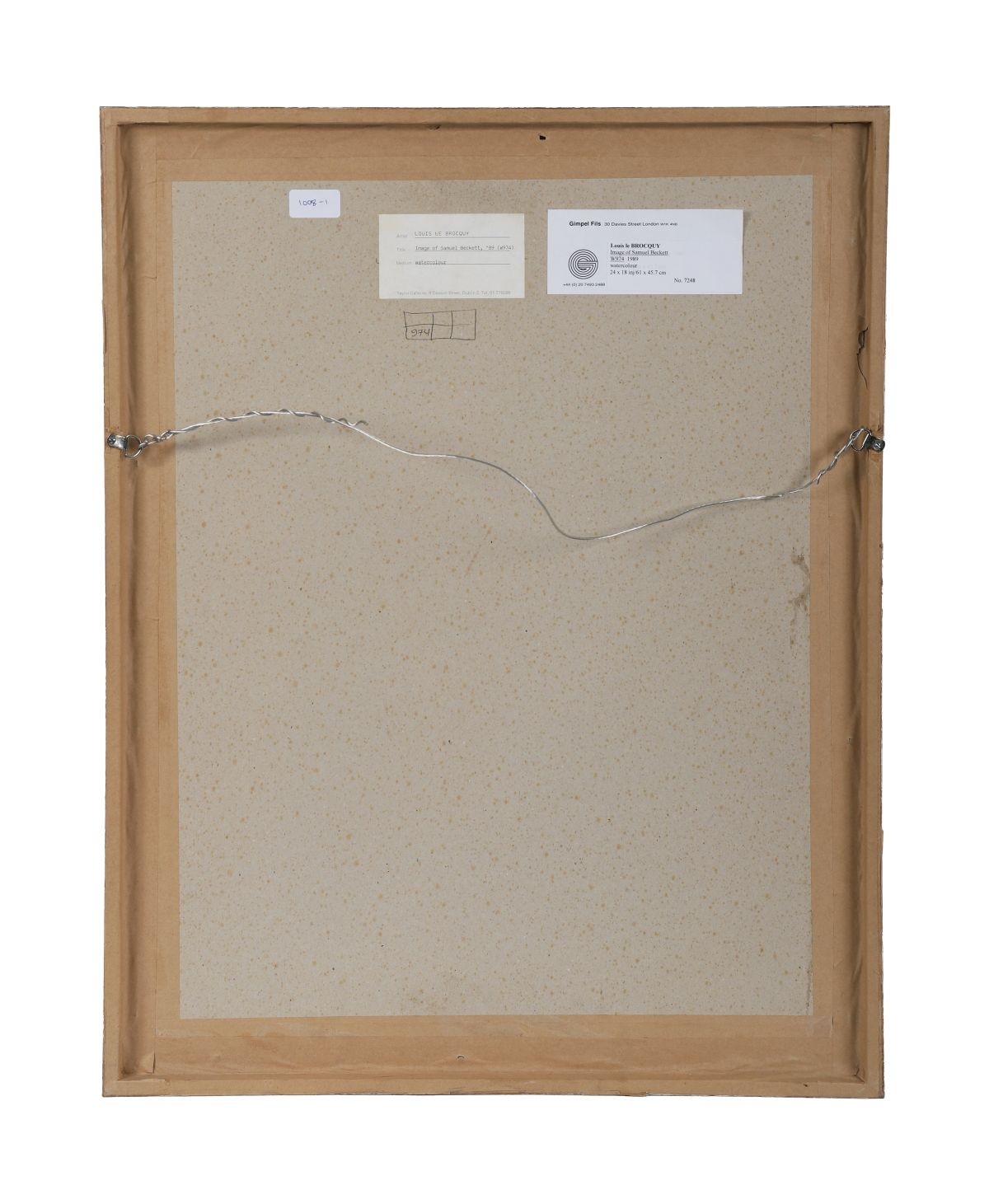
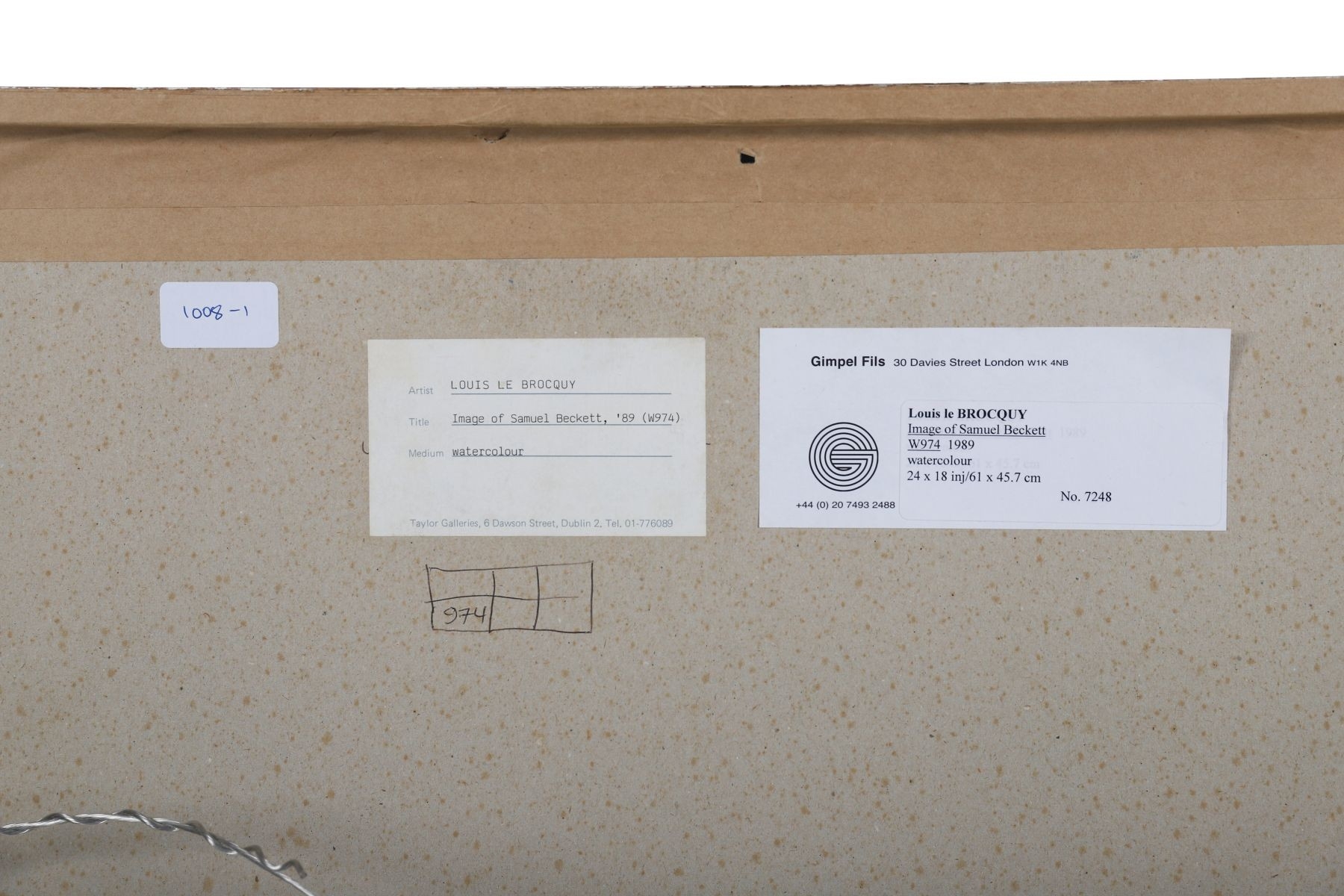
Provenance: Gimpel Fils Gallery, London (Label Verso);
Taylor Galleries, Dublin (Label Verso);
Private Collection
Exhibited: Anually exhibited as part of the University of Limerick Art Collections from 2007 - 2018 Note: This work was on Loan to University Limerick from 2007 - 2018 Framed
Louis le Brocquy (1916–2012) is widely regarded as one of the most important artists in Ireland to emerge during the twentieth century. His work is fundamental to any representative collection of Irish art, and features in significant institutional and national collections in Ireland as well as many private and public collections internationally. Examples of his work have featured in major travelling exhibitions of Irish art abroad. He was selected to represent Ireland at the Venice Biennale in 1956 where he was awarded the prestigious Premio Acquisito Internationale for his controversial painting A Family (1951); this iconic work is now in the collection of the National Gallery of Ireland.
Among the primary subjects addressed by Louis le Brocquy are his portrait heads of distinctive creative individuals, most of whom he had met or knew personally. The series followed on from the ‘Ancestral Head’ images that emerged from his visit to the anthropological museum, the Musée de l’Homme, in Paris in 1964. Inspired by the ritualistic heads he witnessed there, he was drawn to the idea of the generational links that reflect a connection from the past to the present. This series of works are not portraits as such, as they do not depict recognisable individuals. However, during the following years, the portrait heads of creative individuals developed and included ground-breaking exponents of cultural expression, like WB Yeats, James Joyce, and Samuel Beckett. Rather than producing a single, definitive representation of a subject, the artist preferred to create multiple images of each, on the basis that complex and multi-faceted individuals could not be conveyed adequately in a single
portrayal. Le Brocquy’s portraits were generally painted in oils or in watercolour, and he is celebrated for his extensive productive explorations in these media.
Samuel Beckett (1906–89), the Nobel prize-winning writer, and artist Louis le
Brocquy, knew each other. They collaborated on several projects, not least Beckett’s last published prose work, Stirrings Still. A limited edition features illustrations by Louis le Brocquy, with a stylised image of the writer displayed on the cover. While Beckett, born in 1906, was ten years older than le Brocquy, there were notable parallels in their respective lives and creative histories. Each of them had studied for a time at Trinity College Dublin, each had lived in France for many years, each was elected to Aosdána (founded in 1981 by the Arts Council of Ireland as a kind of academy of Irish artists), and each achieved the rare distinction of Saoí (‘wise one’) – an honour granted to only seven, at a time, of Aosdána members.
In 1989, an exhibition was held at the Picasso Museum in Antibes, south of France, of selected portrait paintings by Louis le Brocquy. The exhibition featured portraits in oils and watercolours, and included several images of Samuel Beckett who died in December of that year. While the current watercolour painting may not have been included in that show, it is nonetheless representative of the artist’s approach at that time. A broadcast interview, in French, with le Brocquy earlier that year shows the artist in his studio with a number of photographic images pinned to the walls, several of which were of Beckett. Commenting on his approach to painting portraits, the artist observed how, despite being famous, his subjects were also vulnerable and poignant. In the remarkable watercolour paintings, this sensitivity is conveyed through the delicacy of the medium, its translucence, and the way veils of thin colour
are built to suggest the recognisable contours of the face. The frontality of the image suggests both confidence and sensitivity; it suggests consuming inner processes and the dynamics of creativity. The artist has described the head as “the mysterious box which contains the spirit: the outer reality of the invisible interior world of consciousness.” Most relevant to the current analysis, however, is the broadcast interview with Louis le Brocquy in 1989, where he commented on the particular relevance of the eyes as perhaps the main gateway to the spirit “ … that lurks behind the exterior view of the face.”
Dr. Yvonne Scott, November 2025 Image: 62 x 46 cm.; framed: 74 x 58 cm. PICTURES AND PRINTS Thursday 11th December 2025 18:41:04
Fees apply to the hammer price:
Free Registration
28.69% inc VAT*
Flat Fee Registration
25.00% inc VAT*