€6,000 - €8,000
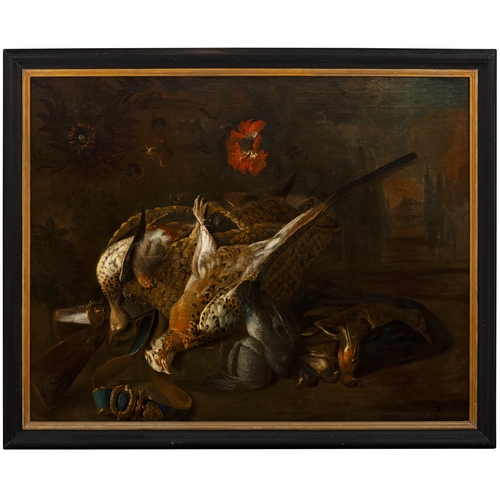
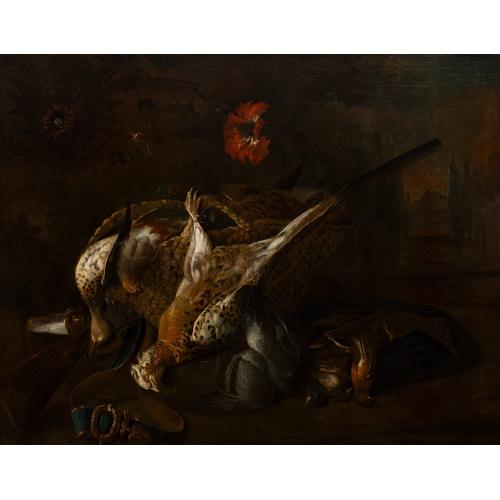
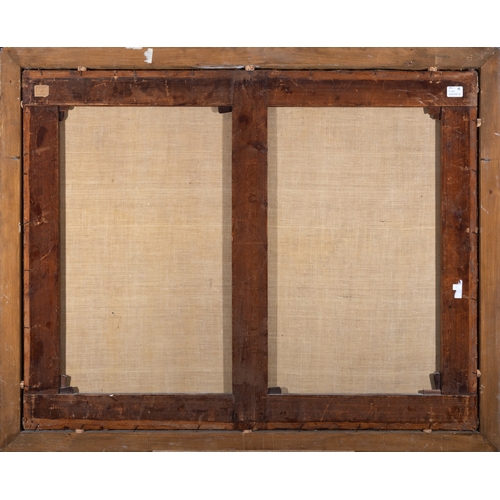
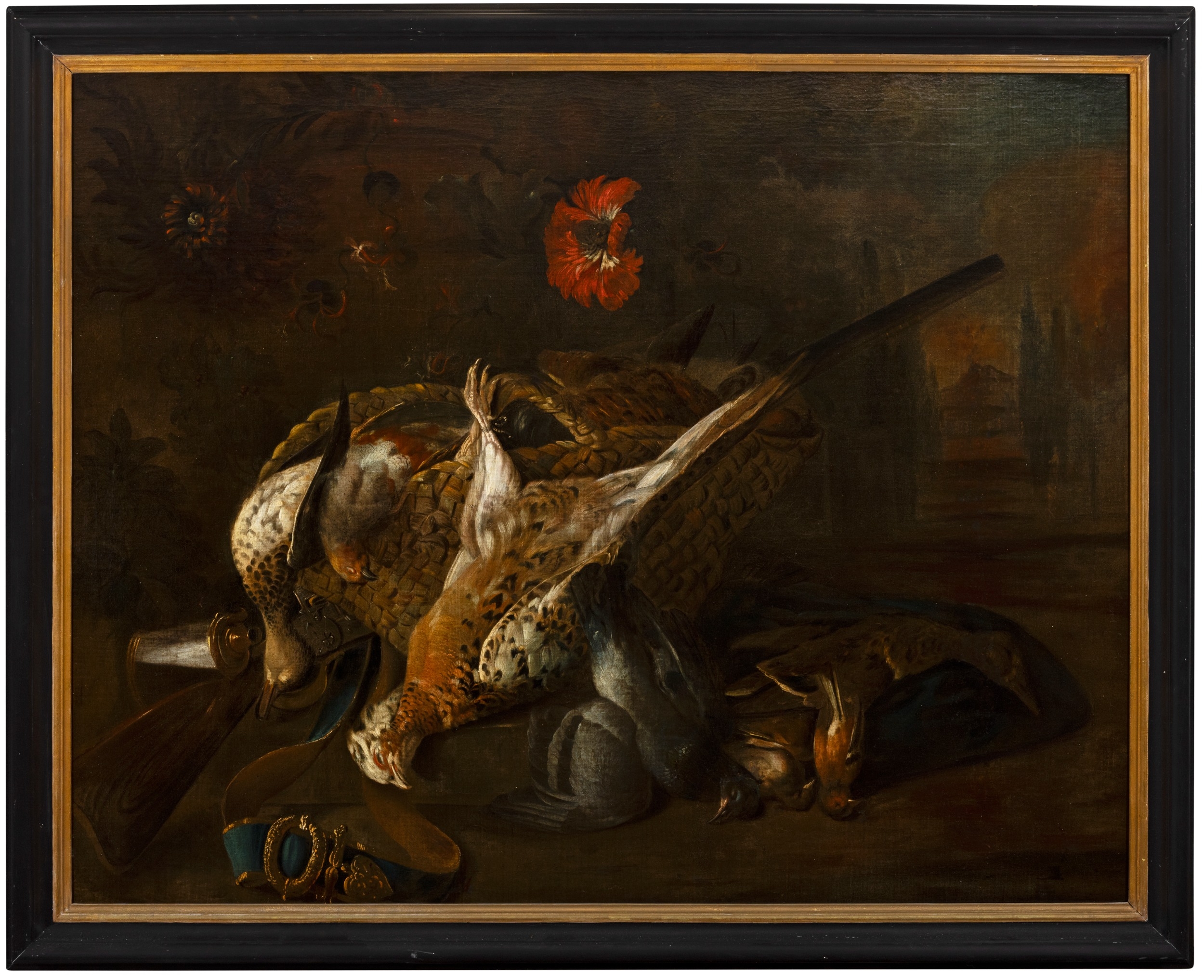
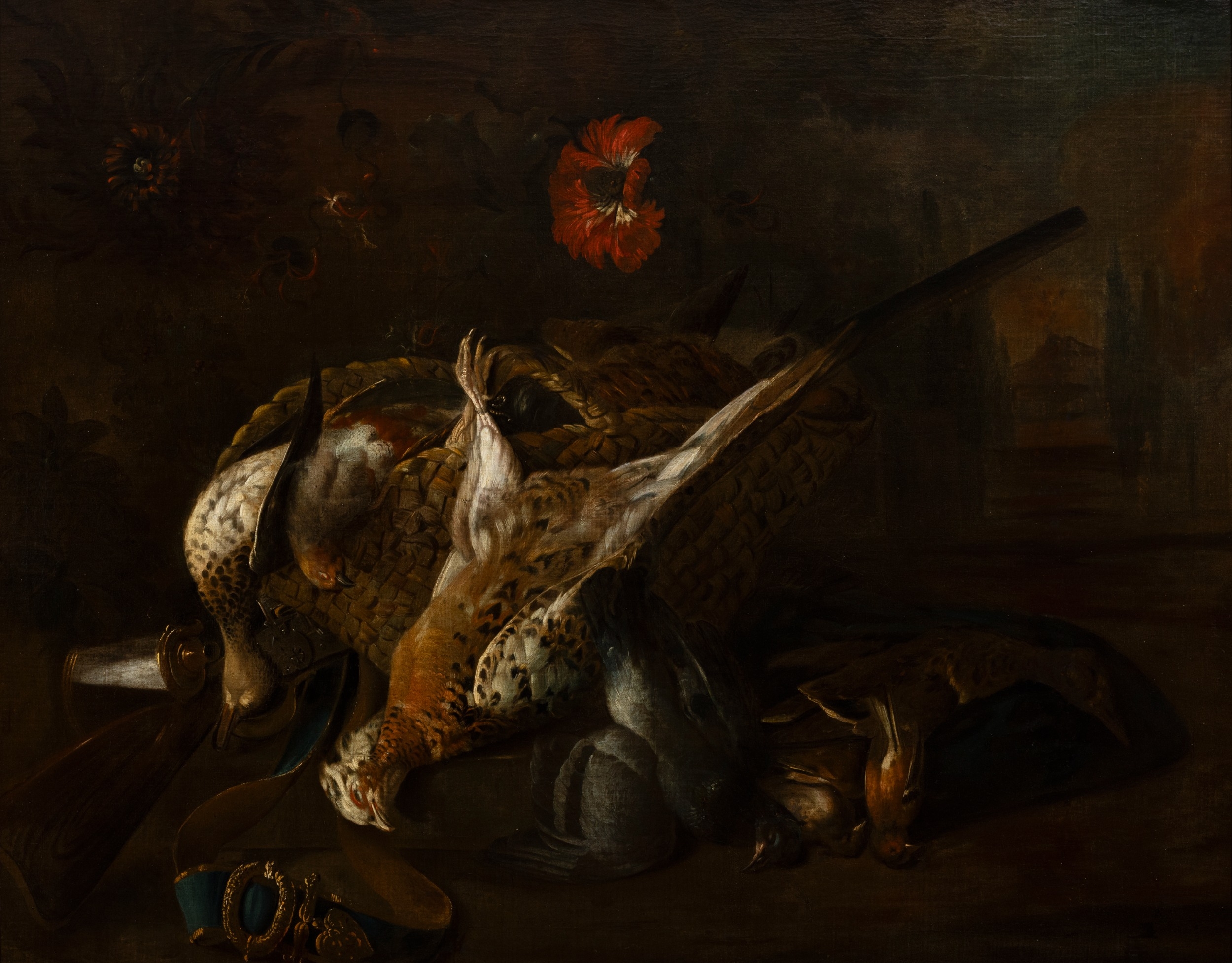
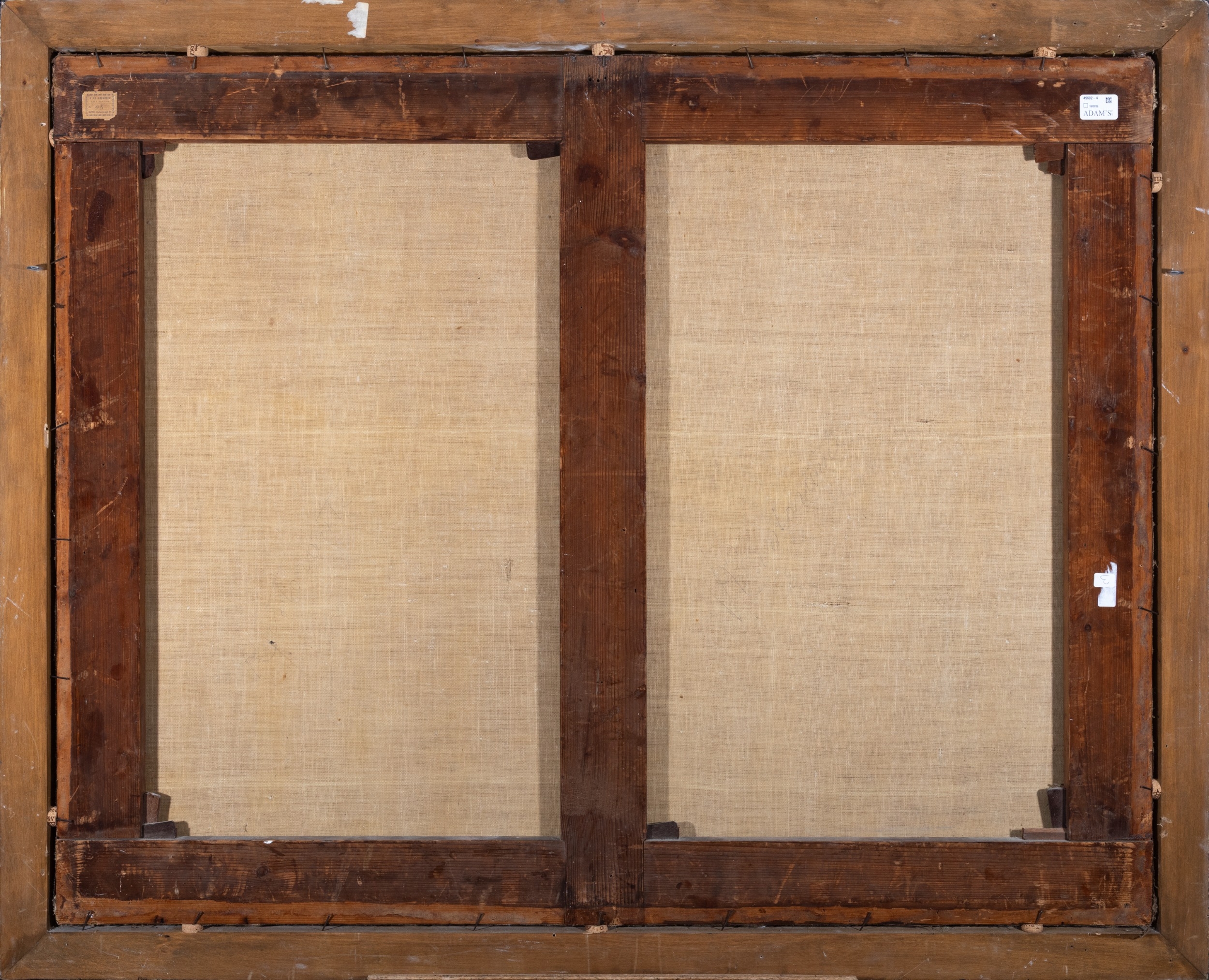
CHARLES COLLINS (c. 1694/1704-1744) Game Still Life with Dead Hare, Bittern, Flintlock and Powder Flask Oil on canvas, 85cm x 110cm Literature: Peter Murray, 'Charles Collins: Of Fruit and Fowl', Irish Arts Review (Winter, 2025) Among the most technically proficient of eighteenth-century Irish artists, Collins is one of the most significant Irish artist to have emerged since the publication of Crookshank and Glin's groundbreaking work The Painters of Ireland (1978). Although mentioned by Strickland as working in Ireland, he had fallen into obscurity and by 1981 when his striking Lobster on a Delft Dish was purchased by the Tate Gallery in London the little that was known about his life was confused. Collins has since been reclaimed for the Irish school, most recently in a article by Peter Murray ('Charles Collins: Of Fruit and Fowl', Irish Arts Review (Winter, 2025)) and he is acknowledged as one of the most accomplished artists to have worked here in the early and middle years of the eighteenth century. He is of further interest, as Dr Murray notes, as one of the only major figure of the period consistently to explore the genre of still-life in oil. George Vertue referred to him as a 'bird painter', although also noting a self-portrait, while Horace Walpole described him as a painter of 'all sorts of fowl and game'. Certainly game predominates in Collins's oeuvre, as is evident in the 1730 still-life in the National Gallery of Ireland, a work very much in the Dutch tradition of seventeenth-century artists such as Jan Weenix, Franz Snyders and Jan Fyt and it has been suggested by Nicola Figgis that Collins may have pursued a period of training in the Low Countries (A.A.I, 2, p. 212) Collins seems to have been born in Dublin. He is mentioned (and described as an 'Irish Master') in the Dublin Evening Post for 4 May 1786 in connection with the sale of the Merrion Square collection of the doctor, and property developer, Gustavus Hume, president of the Royal College of Surgeons in which a still-life of the same sort as the present work featured: 'there are also two pictures most admirably executed; one of live fowl, the other a dead hare, dead birds etc., which is allowed by the first judges in point of elegance and performance, to be inferior to none'(Dublin Evening Post, 4 May 1786). A further still-life was included in the collection of James Digges La Touche that was auctioned in Geminiani's rooms in Dublin in May 1764, while the Earls of Kildare of Carton also owned an example of his art. The present work relates closely to a comparable still life with which it shares many of the same elements (Adams, Irish Old Masters, 5 November 2024, lot 44). However, here there is greater emphasis on the gun and its paraphernalia including a power flask and a blue shoulder belt with an elaborate gilt buckle. The prominent red opium poppy 'toxic to humans and animals' (ibid.) features in many other of Collins's work and, as Peter Murray has recently noted, acts a signature motif, while also perhaps adding a hint of symbolic resonance.
Fees apply to the hammer price:
Free Registration
33.6% inc VAT*
Flat Fee Registration
30.00% inc VAT*