£26,000
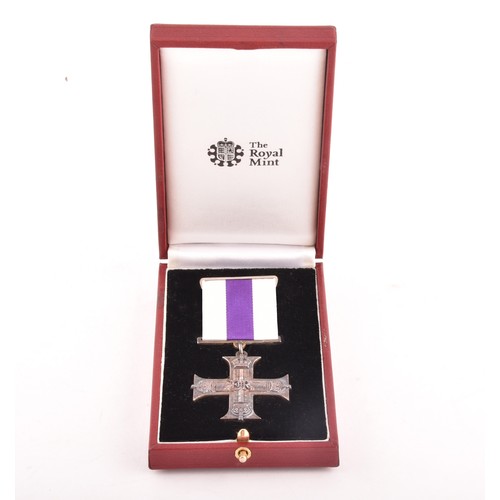
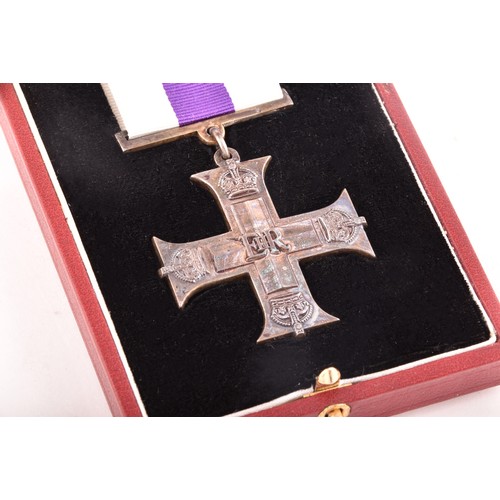
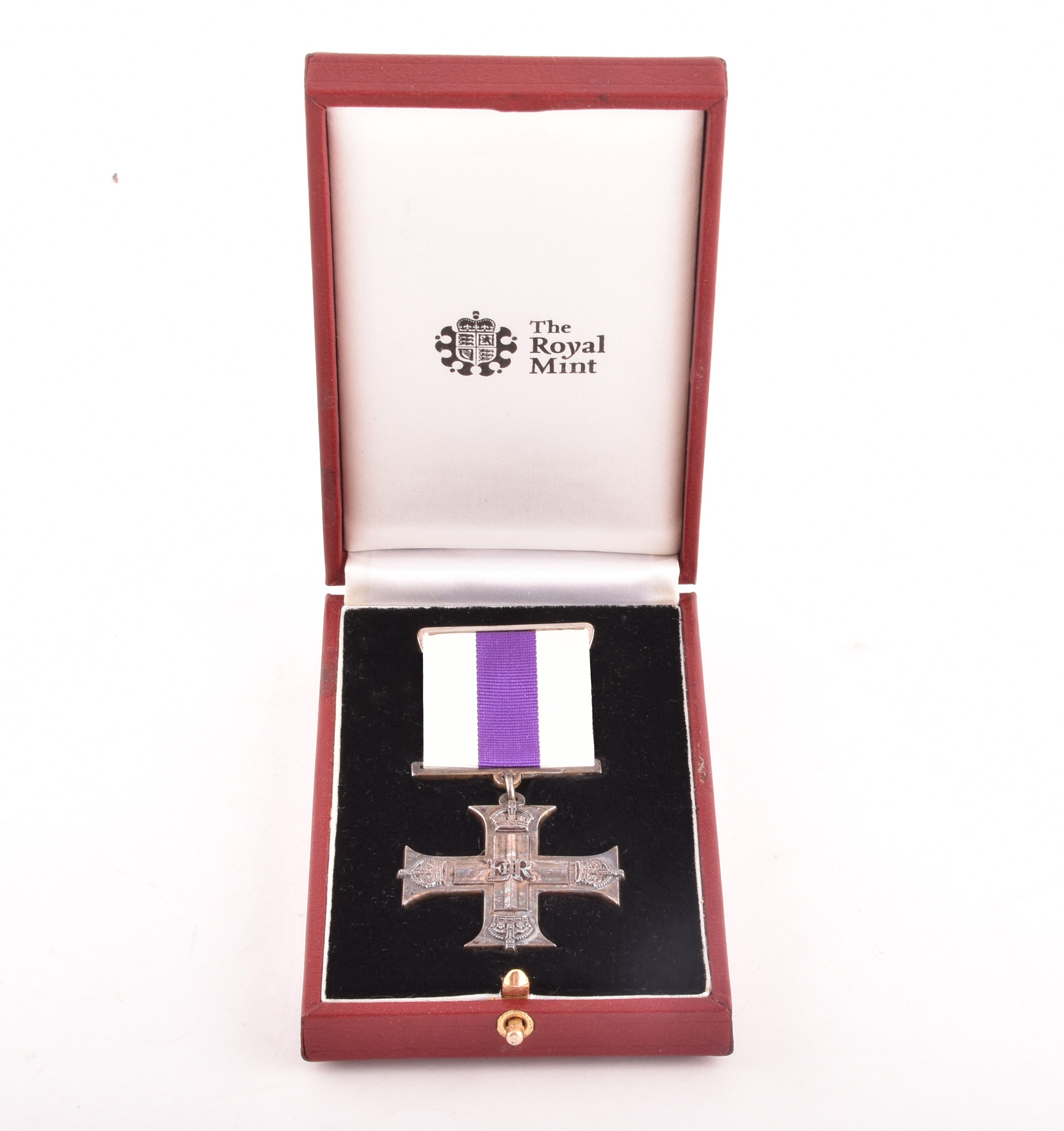
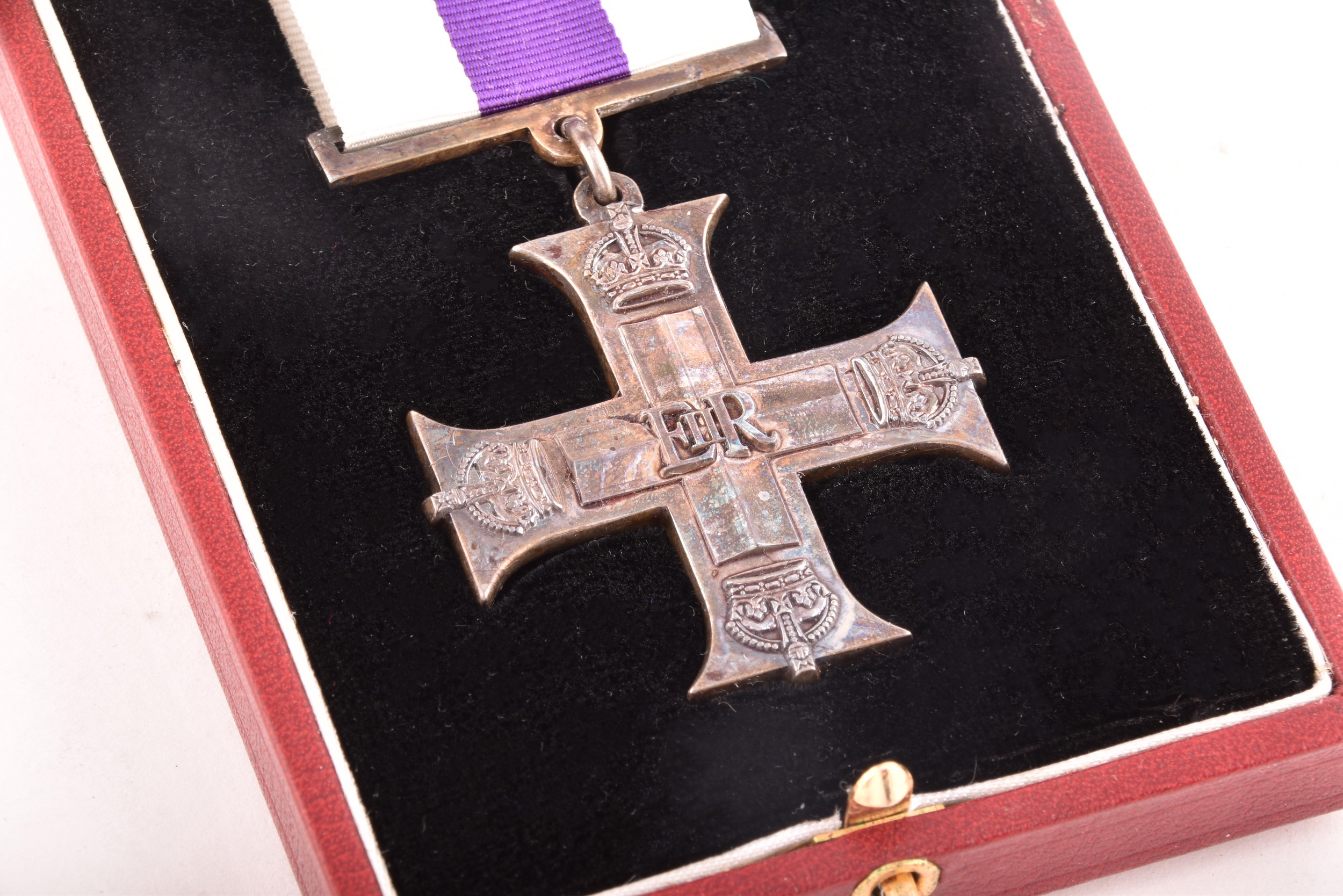
The Military Cross awarded to Lance Corporal Alexander Robert Kennedy MC Mercian Regiment For conspicuous gallantry during Operation Herrick, Helmand Province, Afghanistan, 2009
The youngest known recipient of the Military Cross since WWII.
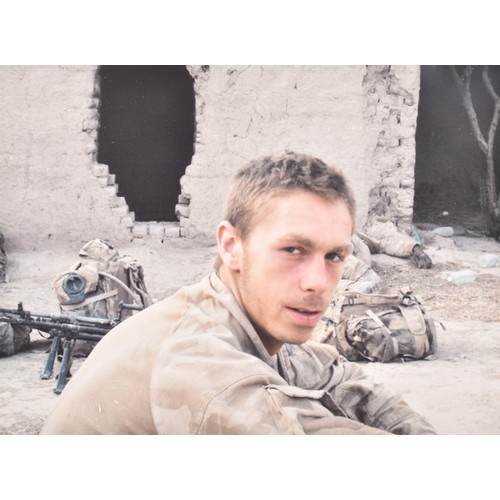
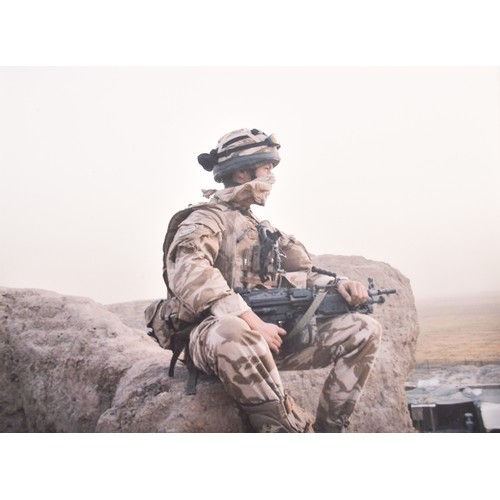
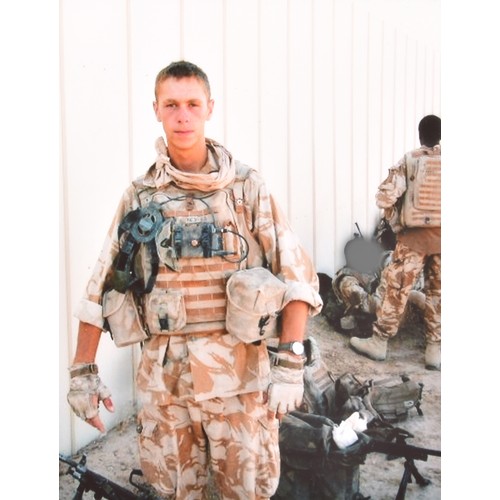
A highly significant and rare Military Cross awarded to Private Alexander Robert Kennedy of the 2nd Battalion, Mercian Regiment (Cheshire, Worcesters and Foresters, and Staffords), in recognition of his exceptional bravery during a Taliban ambush in Garmsir, Helmand Province, Afghanistan, on 8 June 2009. At just 18 years of age, Kennedy became the youngest known recipient of the Military Cross since the Second World War.
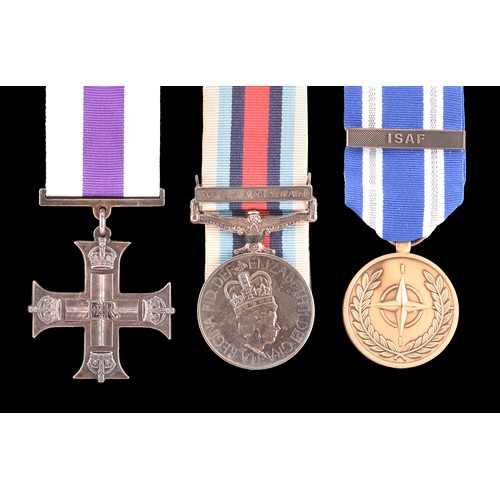
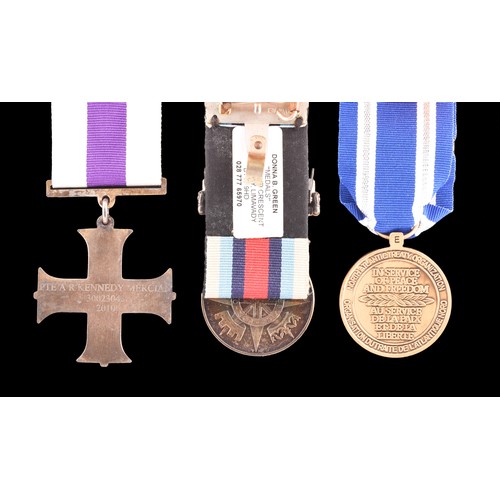
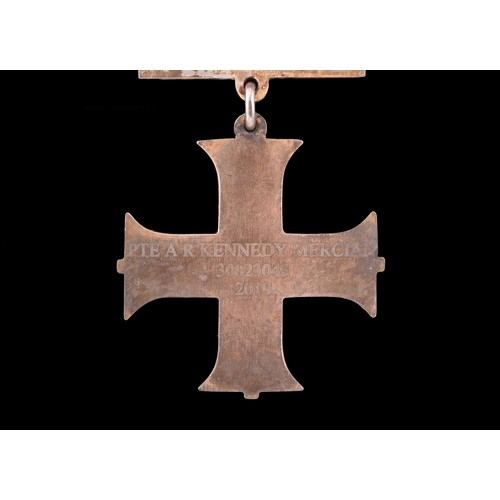
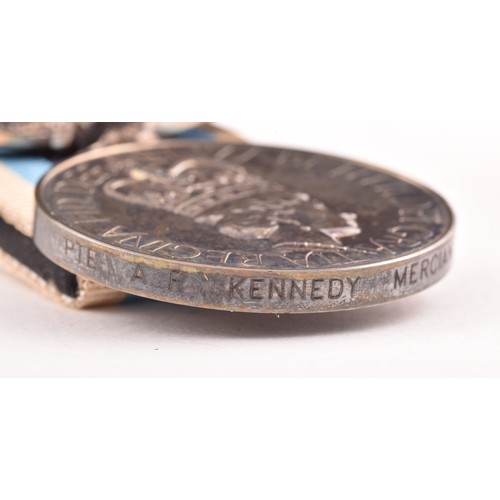
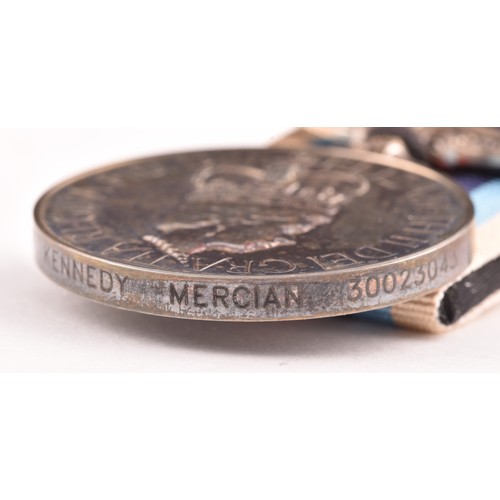
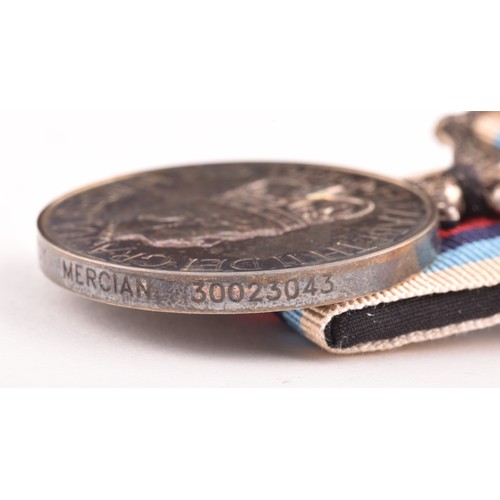
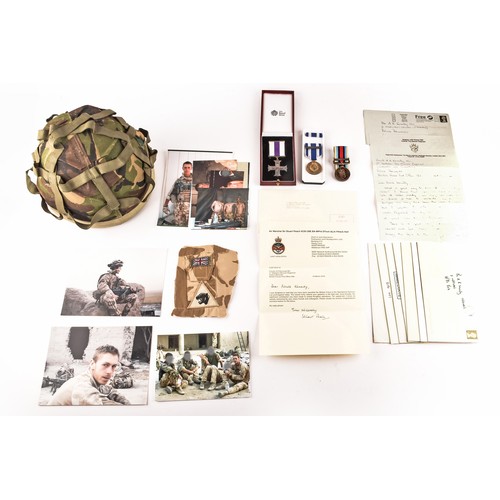
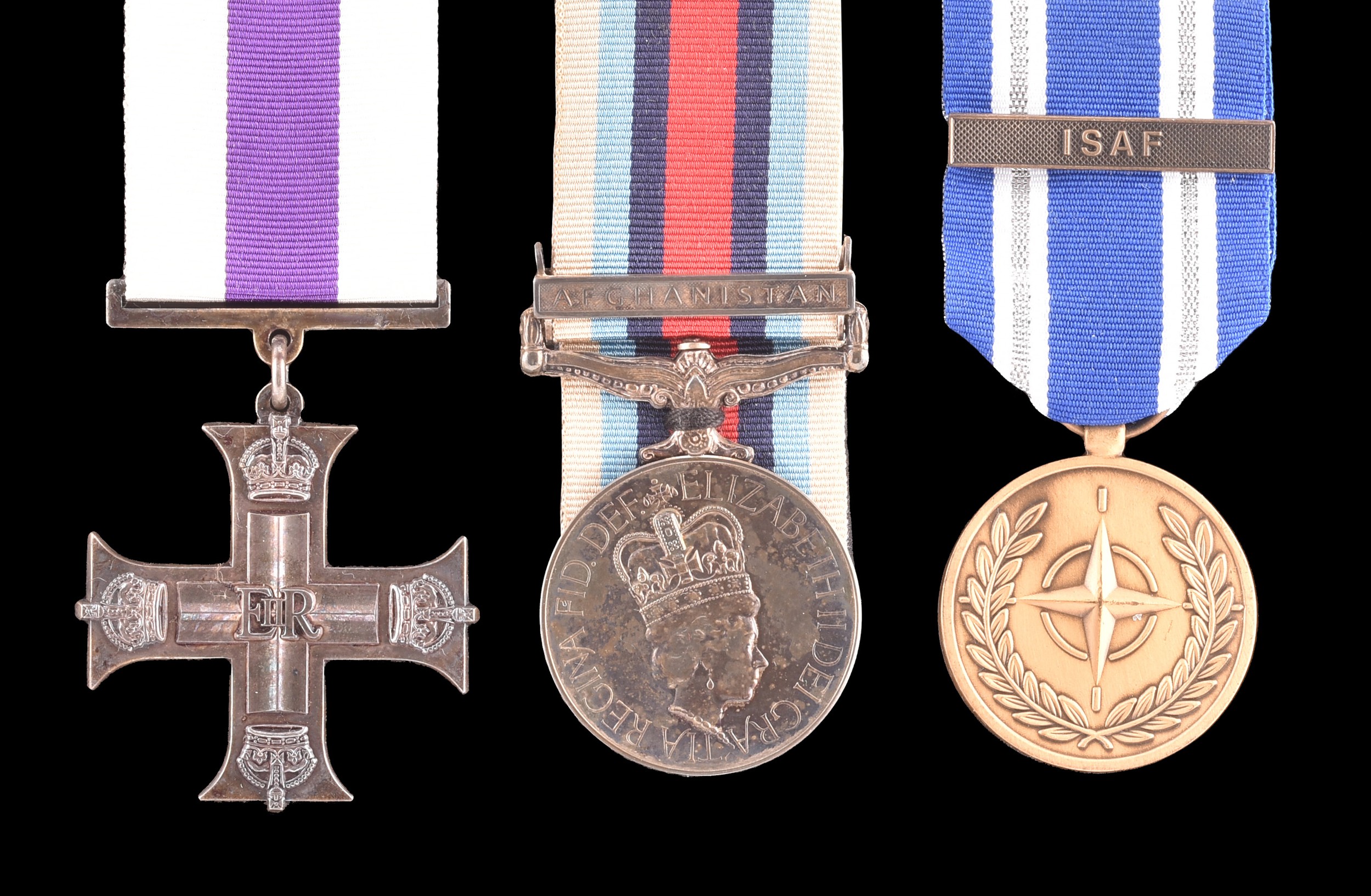
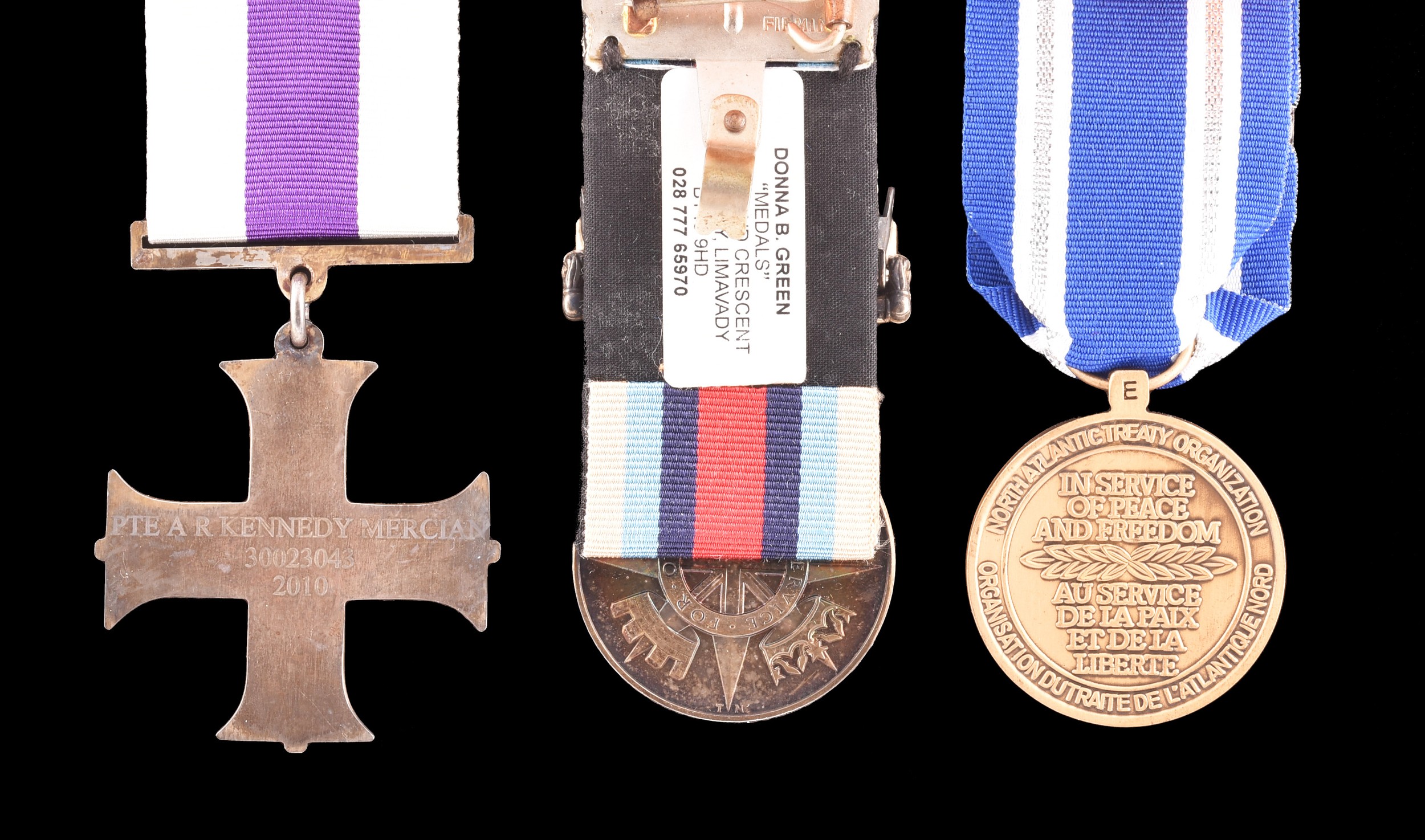
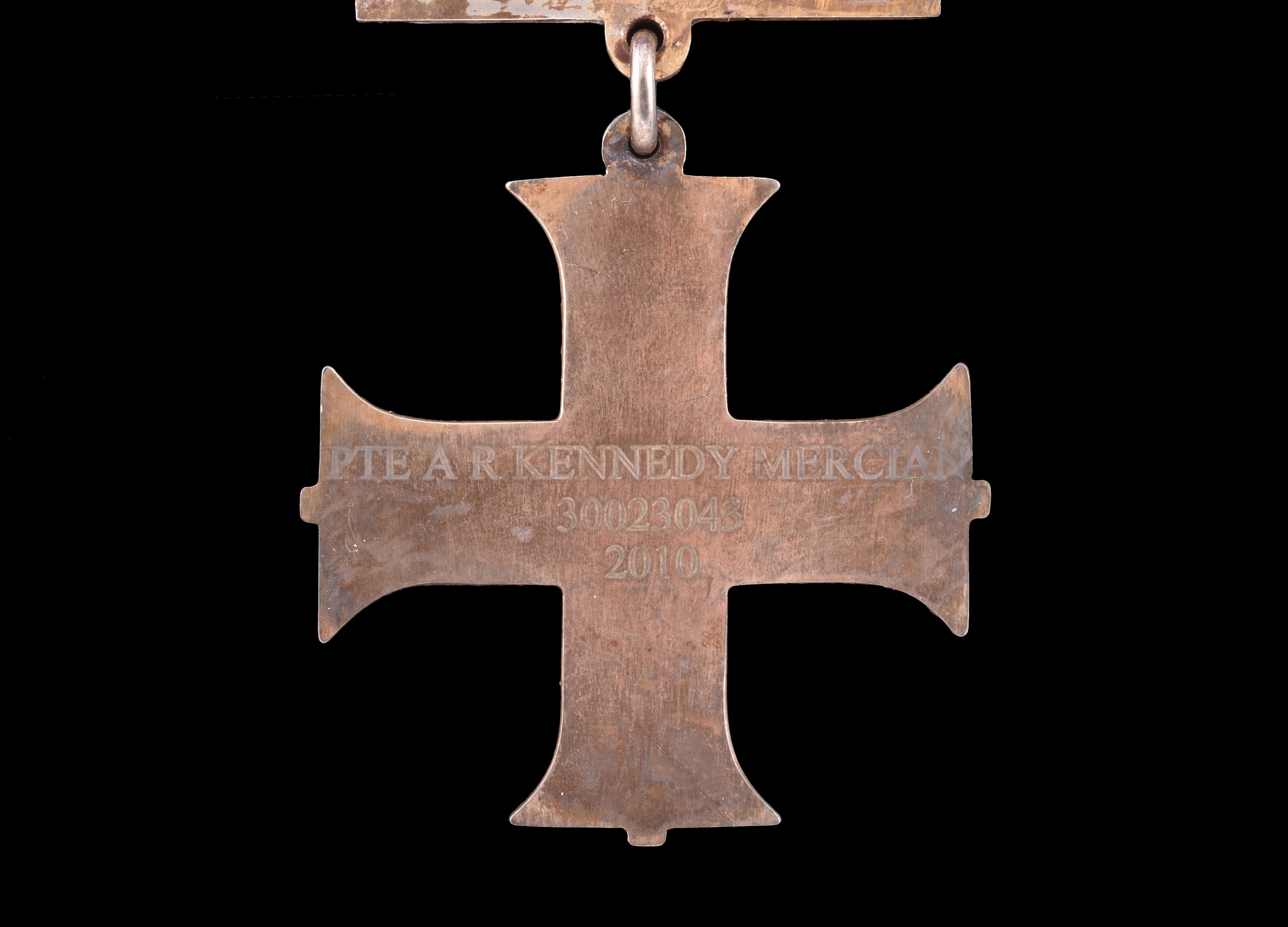
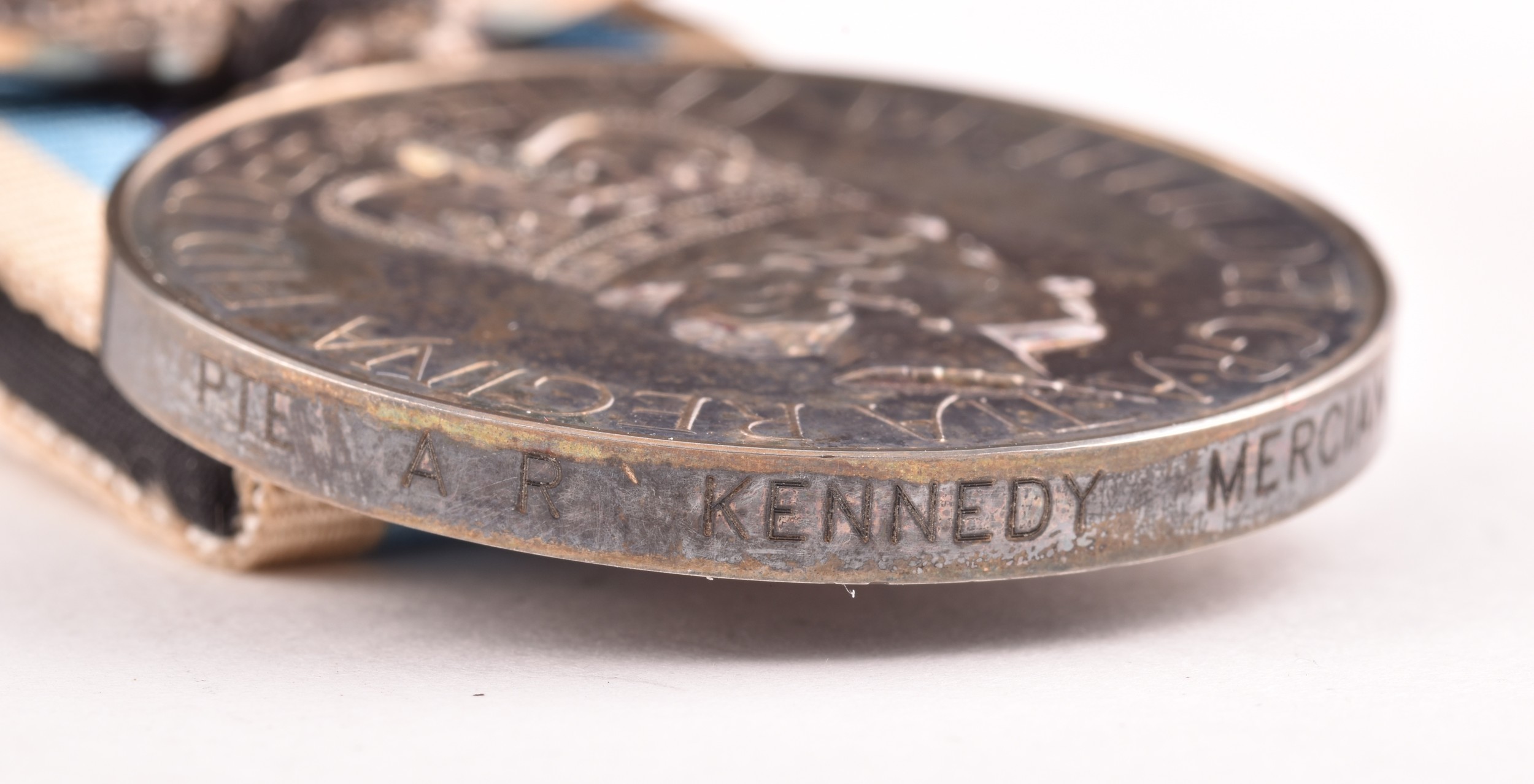
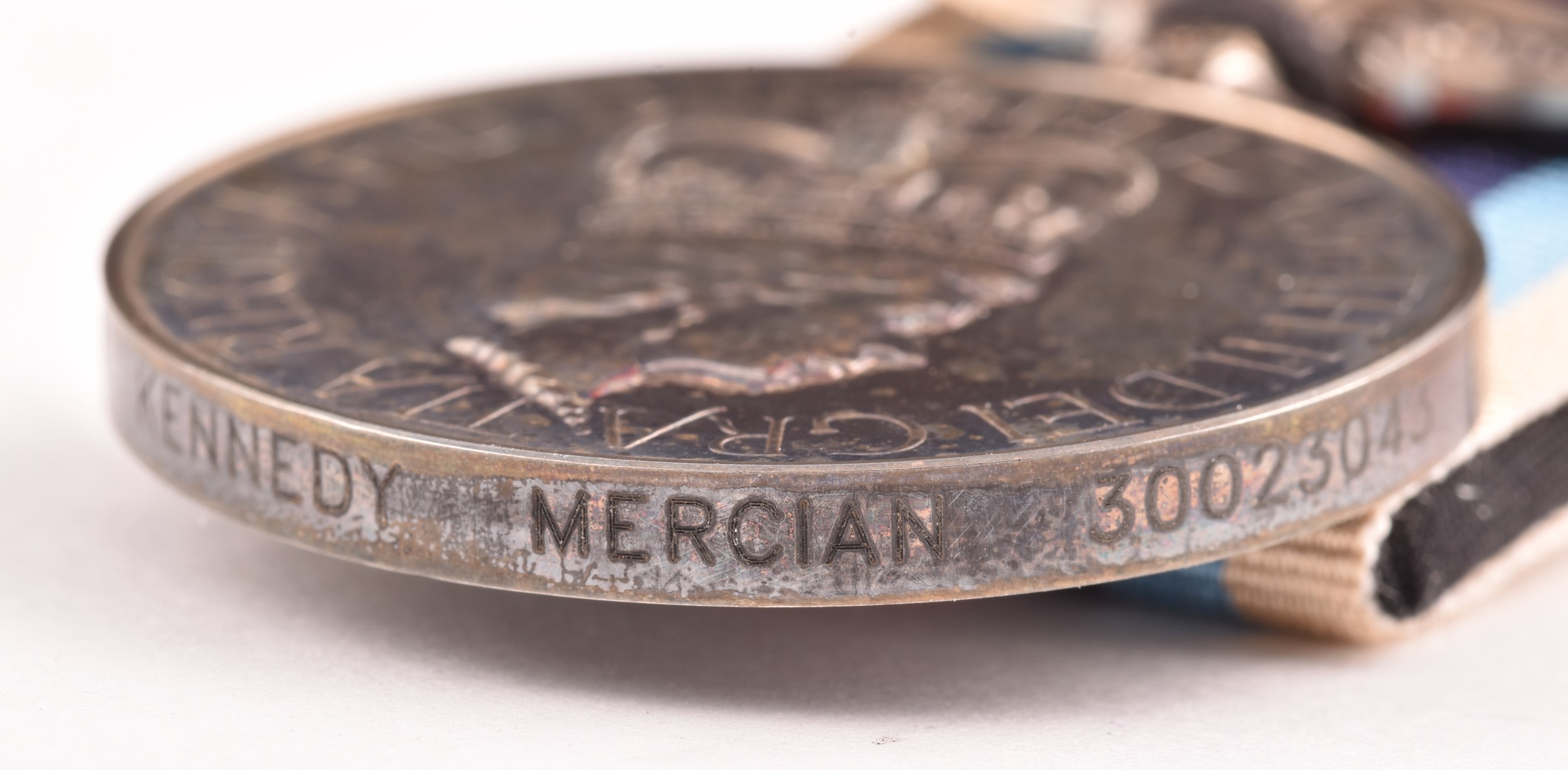
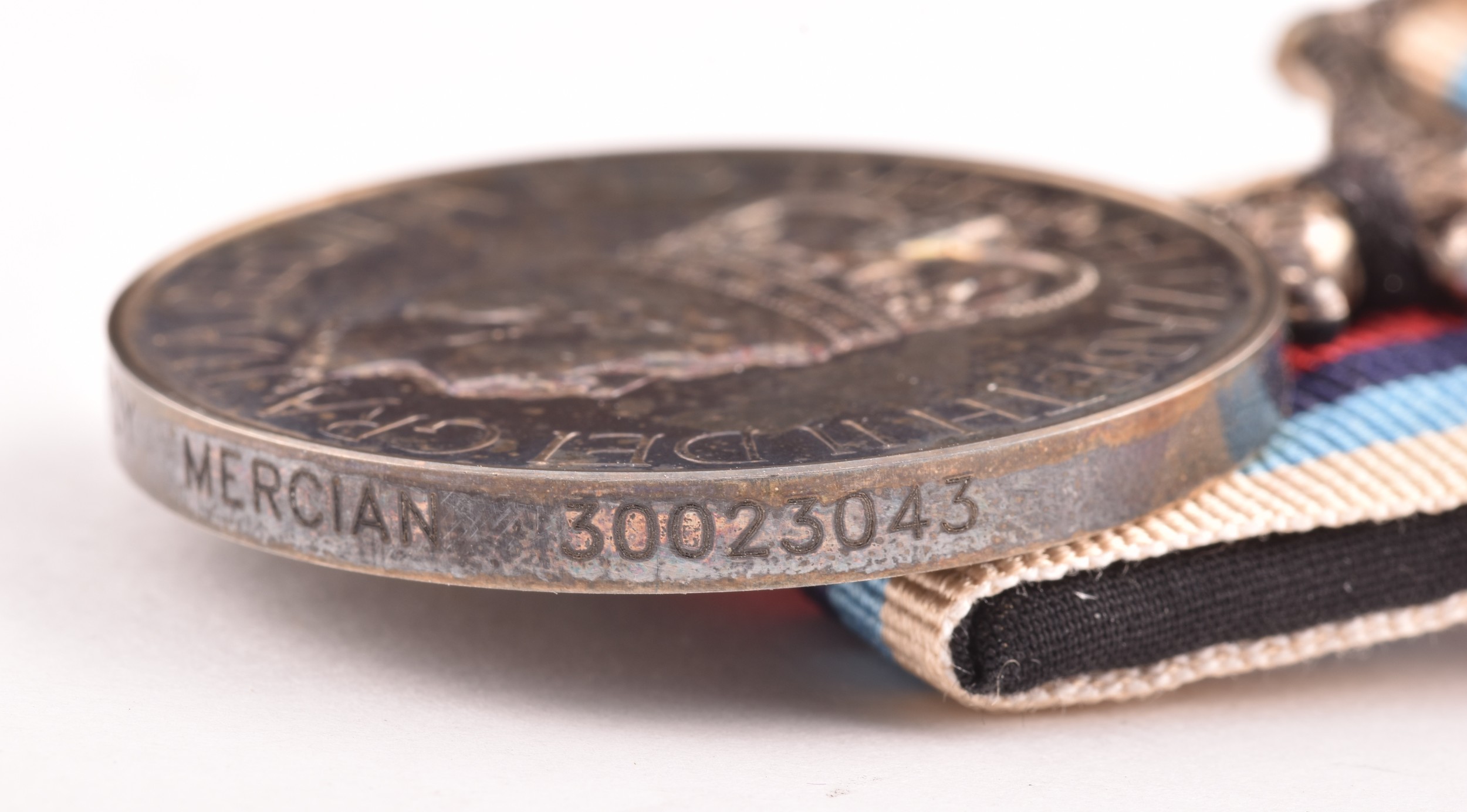
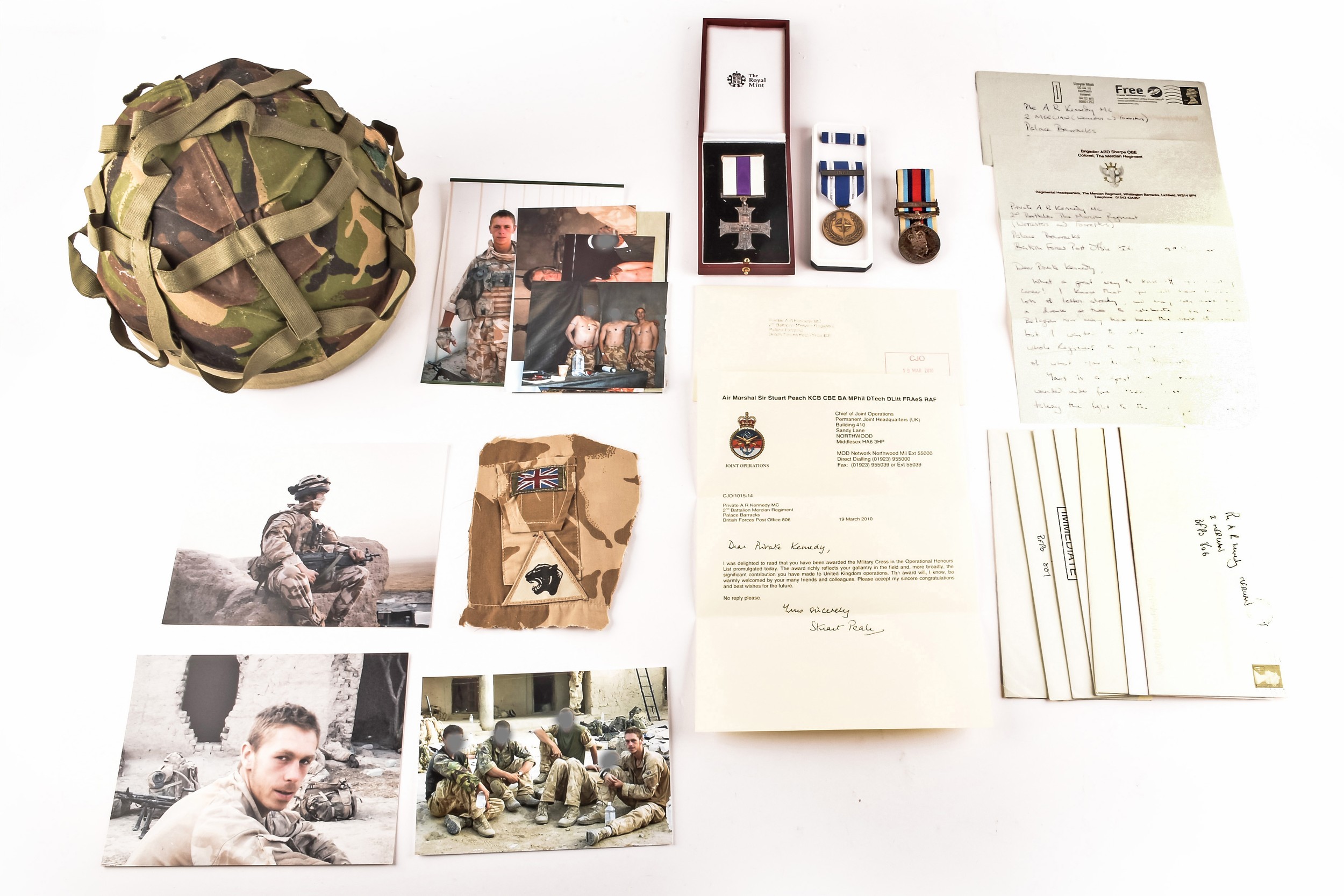
Comprising: The Military Cross (Pte A R Kennedy Mercian 30023043 2010); The Operational Service Medal 2000, for Afghanistan, 1 clasp, Afghanistan (Pte. A R Kennedy Mercian 30023043); and the N.A.T.O. Medal 1994, Non-Article 5 with ISAF clasp (unnamed as issued).
While serving as point man during a patrol, Kennedy’s unit came under intense fire from multiple Taliban positions. His platoon commander, Captain Andy Bell, was severely wounded. Despite being knocked to the ground by a bullet that struck his light machine gun—rendering him temporarily blind and deaf—Kennedy recovered, administered first aid to his commander under sustained enemy fire, and coordinated a response by directing covering fire and calling in armoured support. His actions were instrumental in saving his commander’s life and ensuring the safety of his unit.
The award was announced in the The London Gazette Publication Operational Honours List published on 19 March 2010, and Kennedy’s gallantry was further recognised at a civic reception hosted by Bromsgrove District Council, where his full citation was formally read: "Private Kennedy was point man during a patrol in Garmsir, Helmand province. He came under fire from multiple Taliban positions. His platoon commander, Captain Andy Bell, was shot in the leg. Kennedy was hit by a bullet that smashed into his light machine gun, knocking him to the ground, temporarily blinding and deafening him. Nevertheless, he continued to fight, gave first aid to the officer, and called in armoured support. The MoD said: 'He undoubtedly saved the life of his platoon commander, and without thought for his own safety, continued to engage the enemy and rally his fellow soldiers."
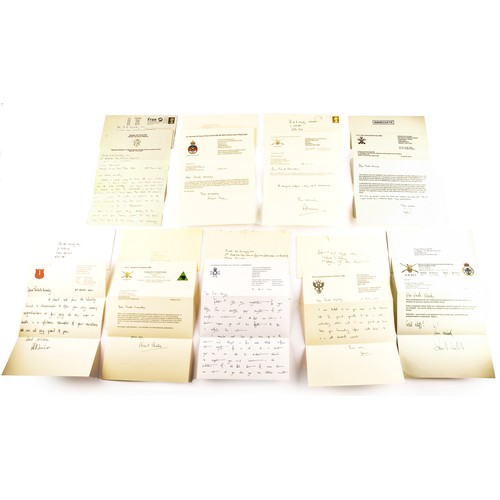
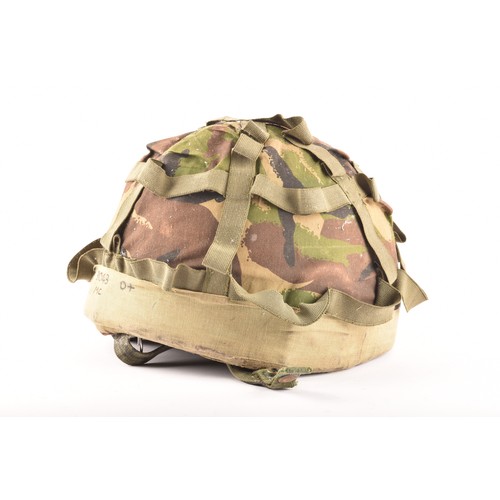
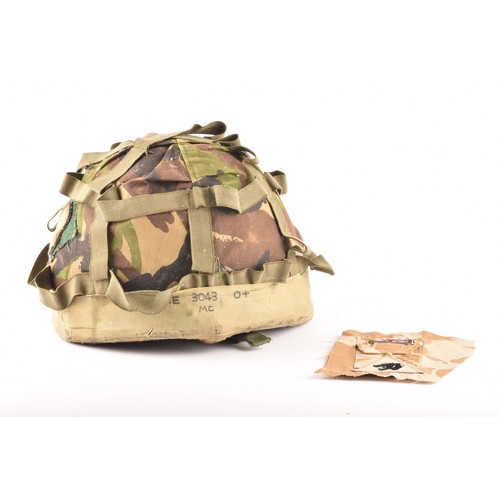
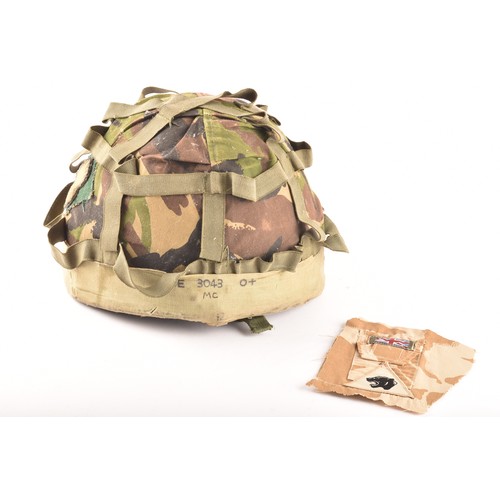
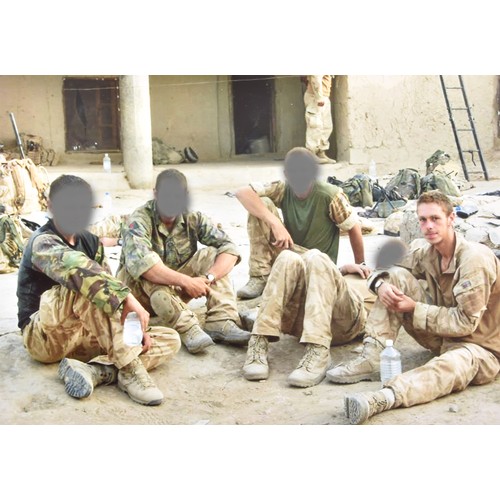
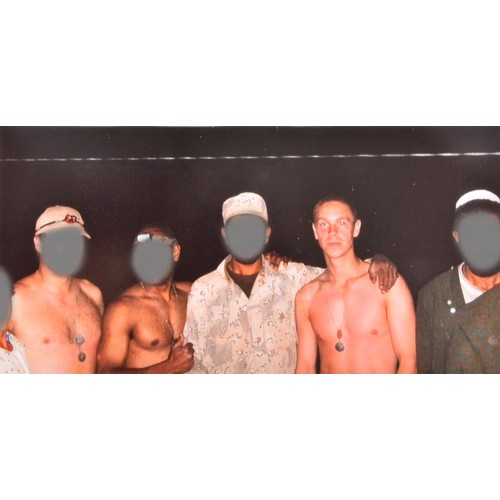
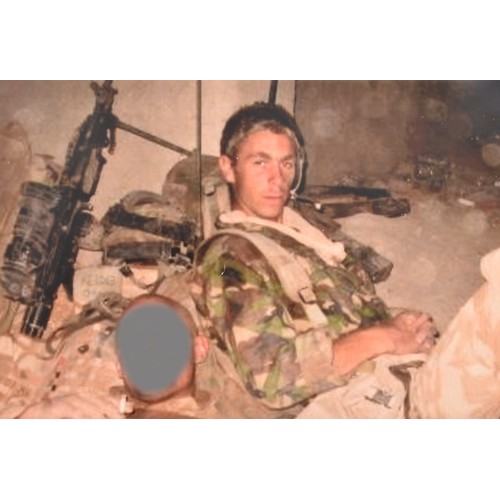
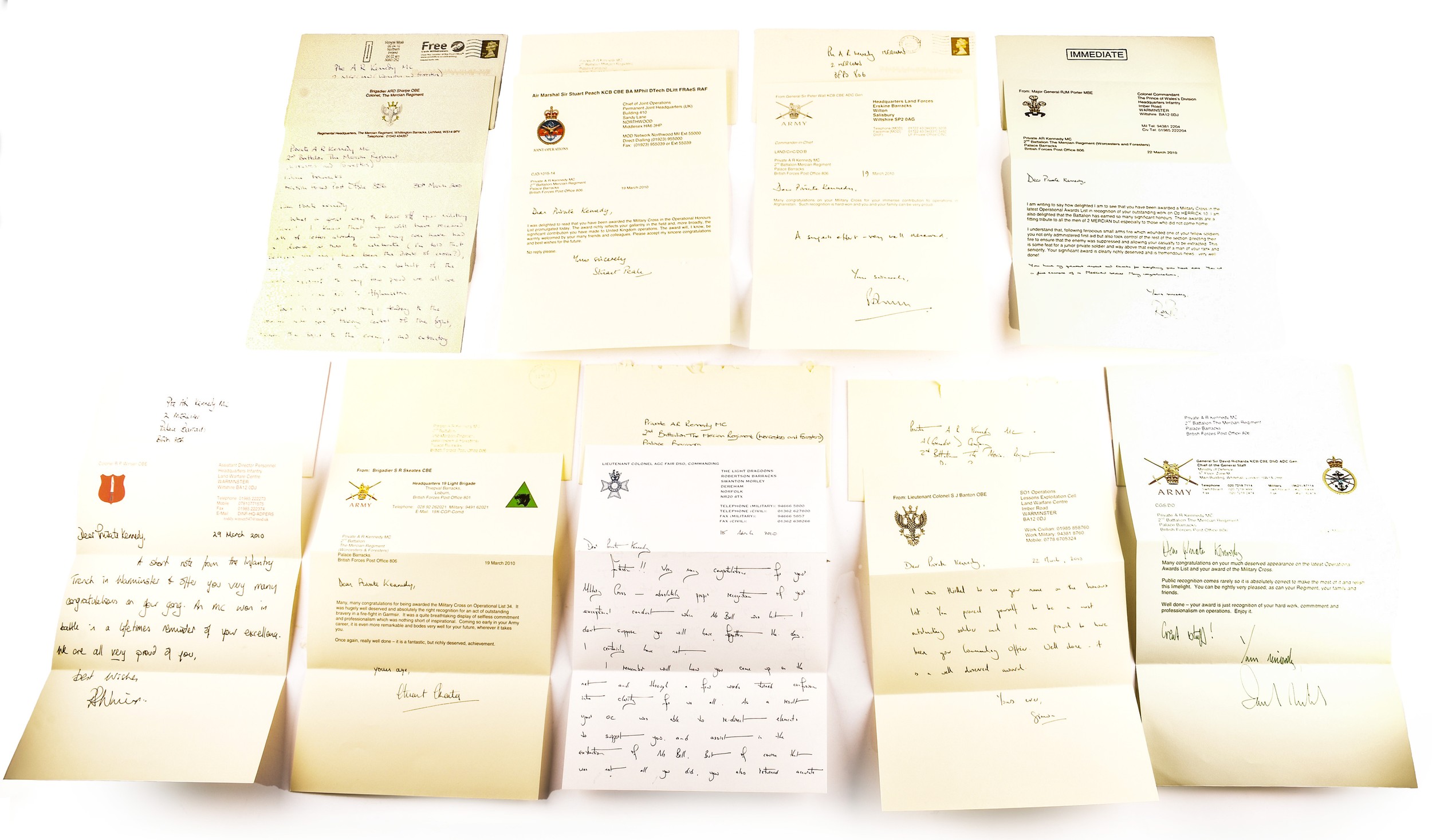
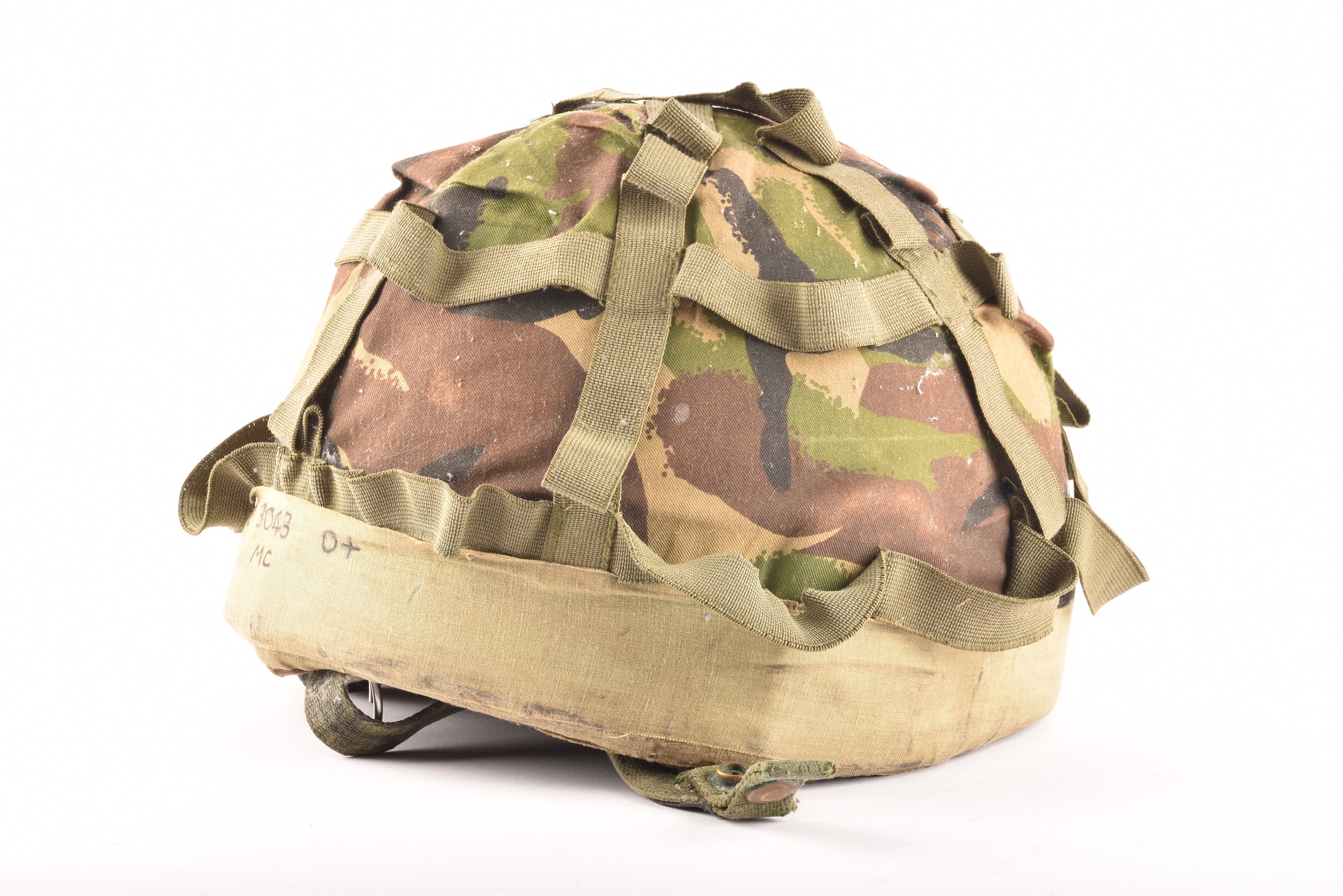
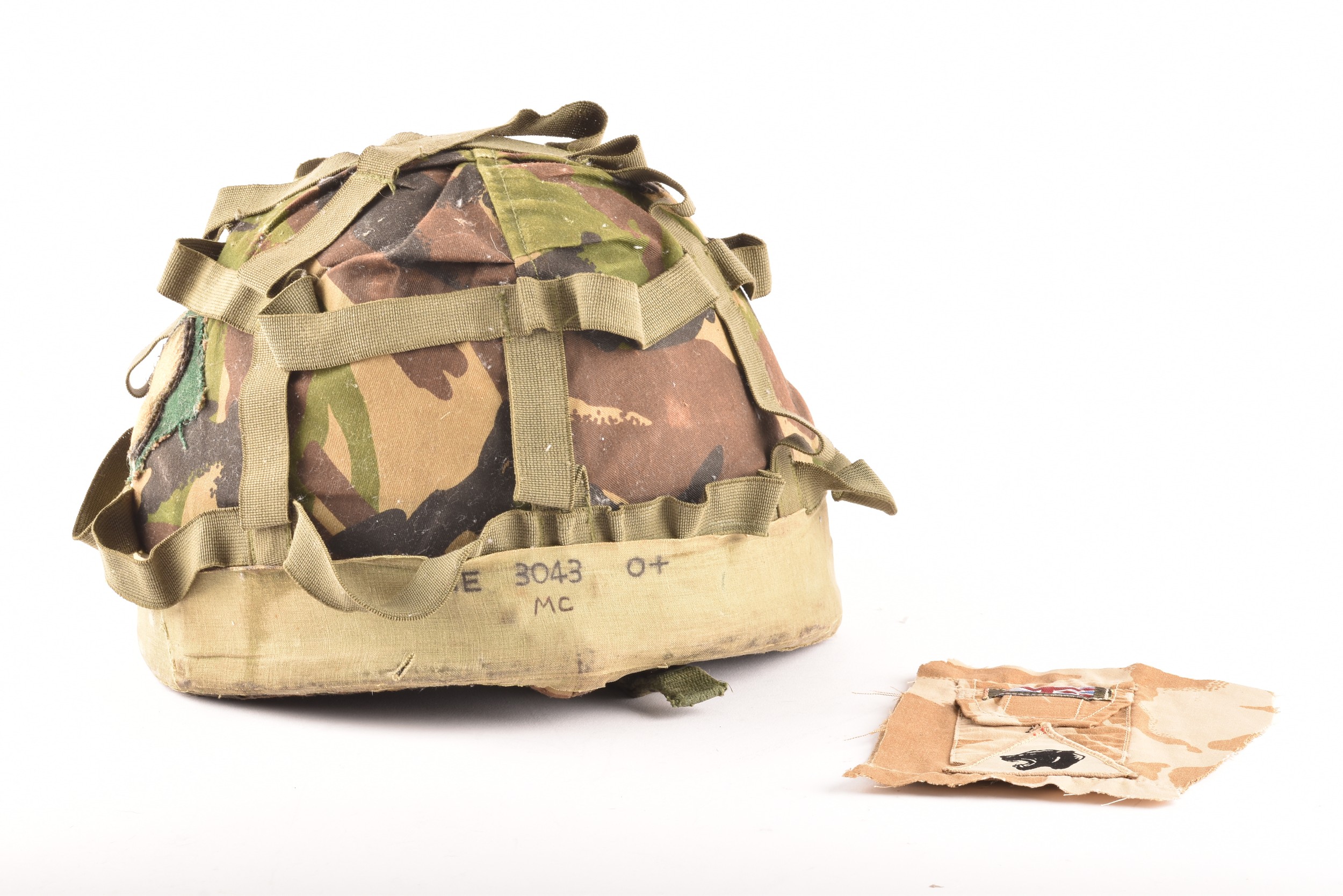
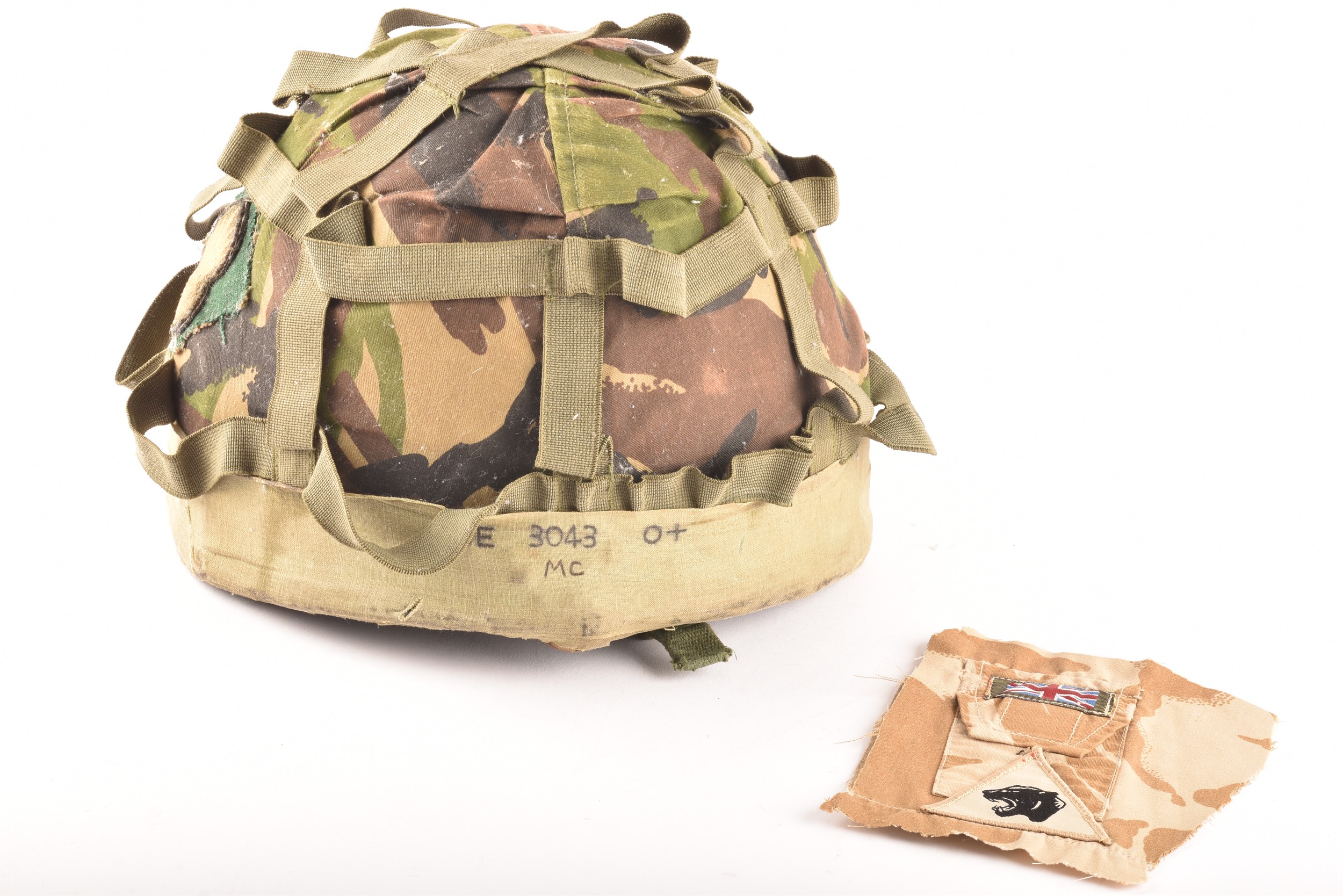
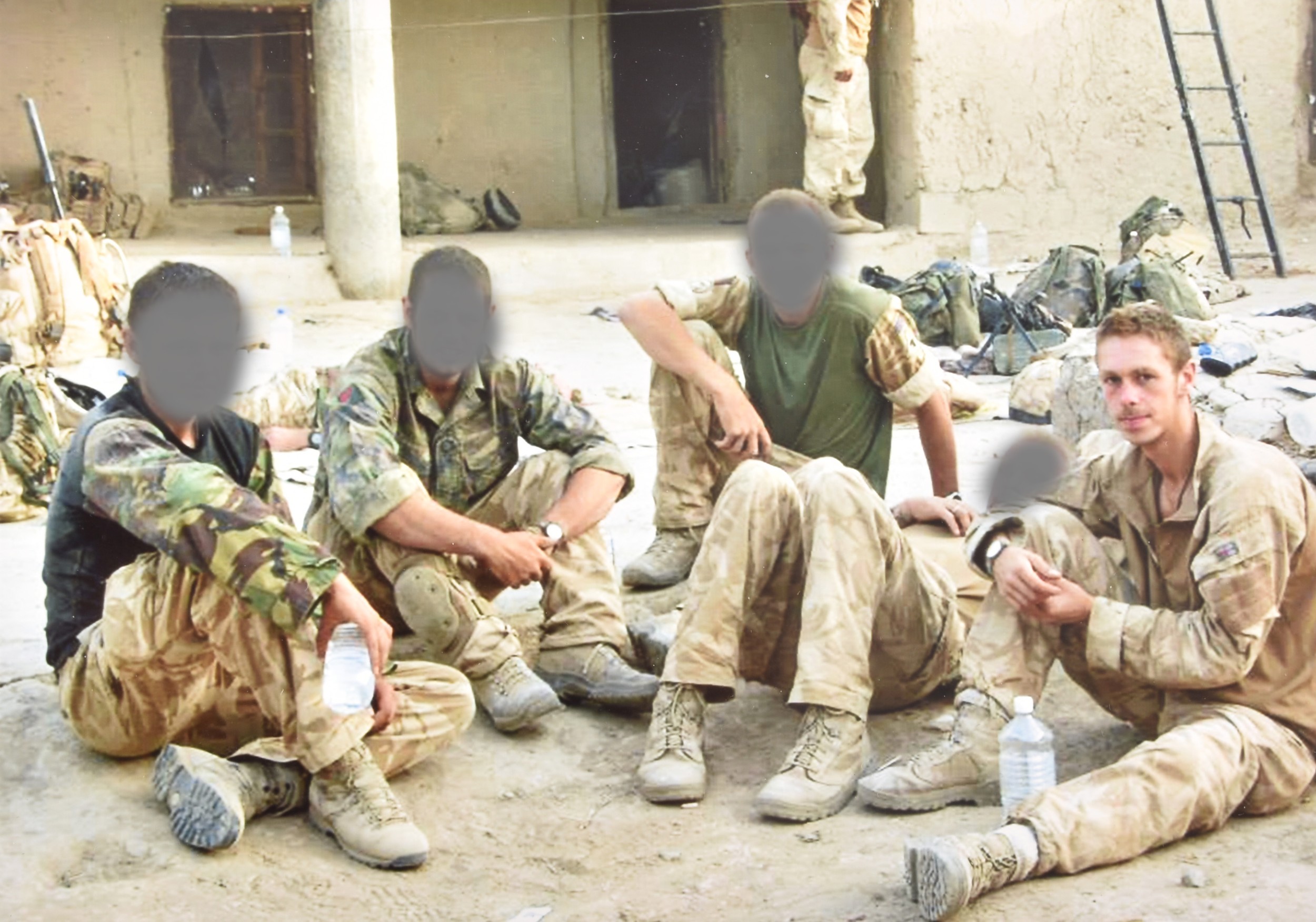
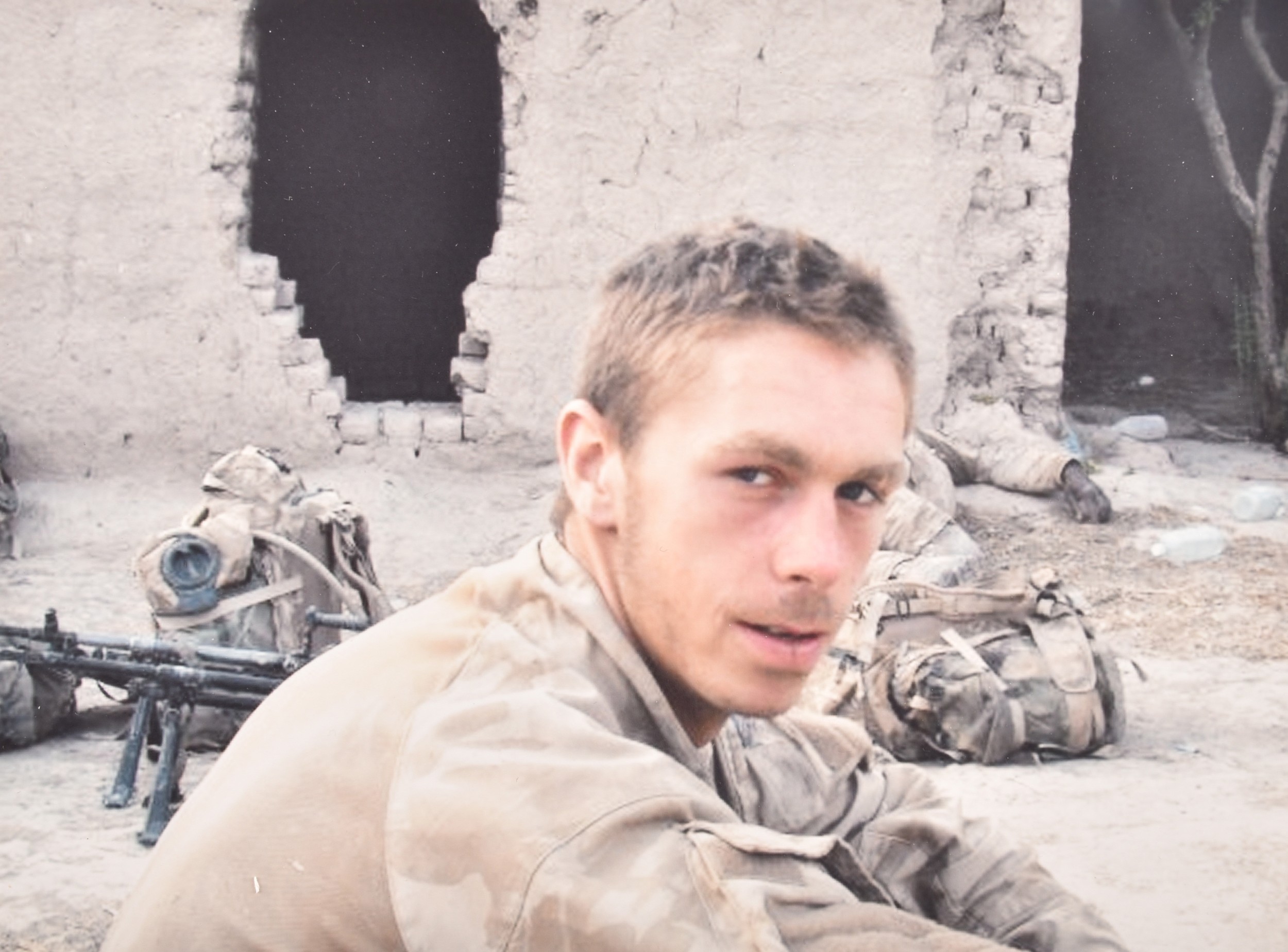
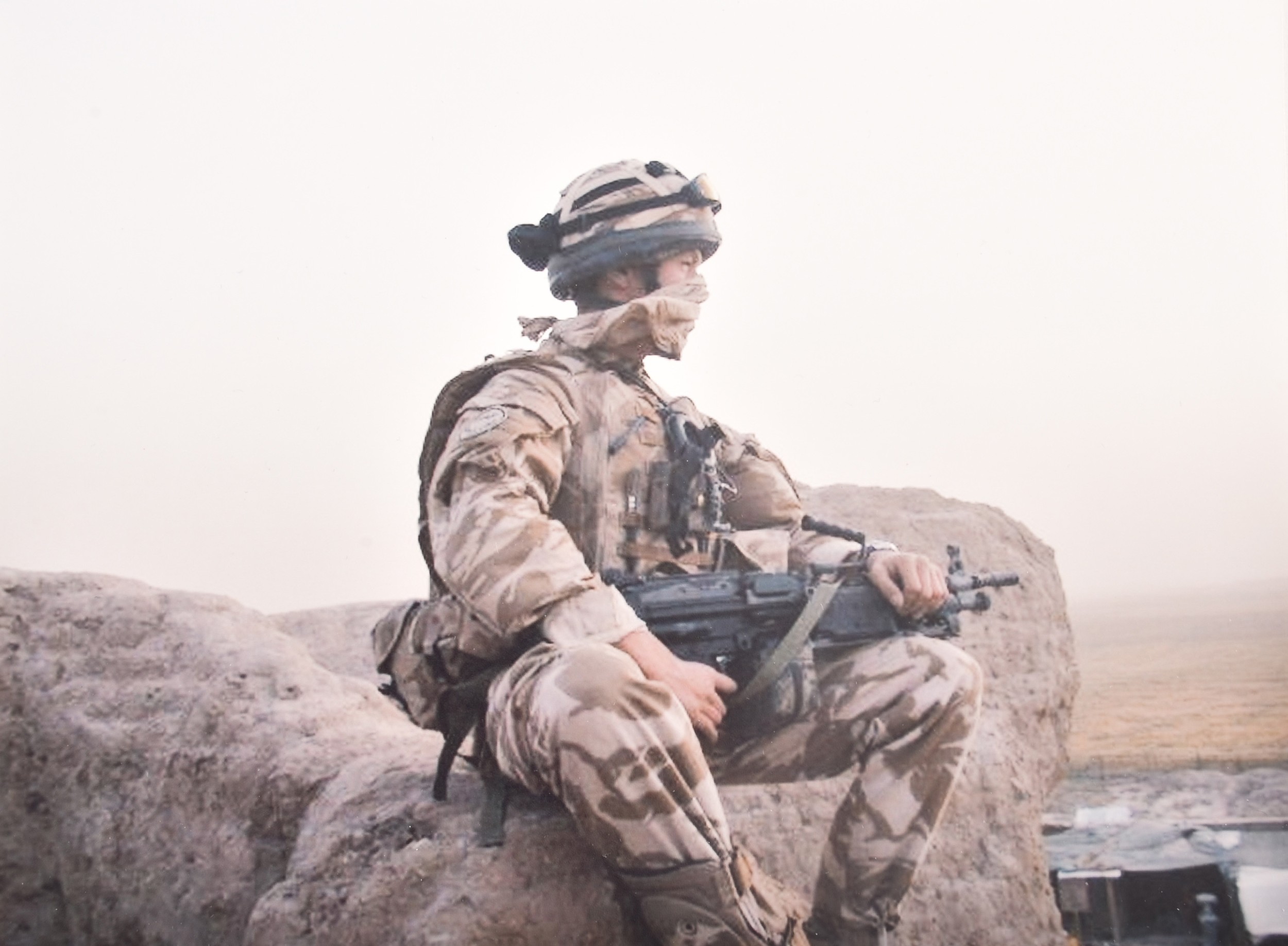
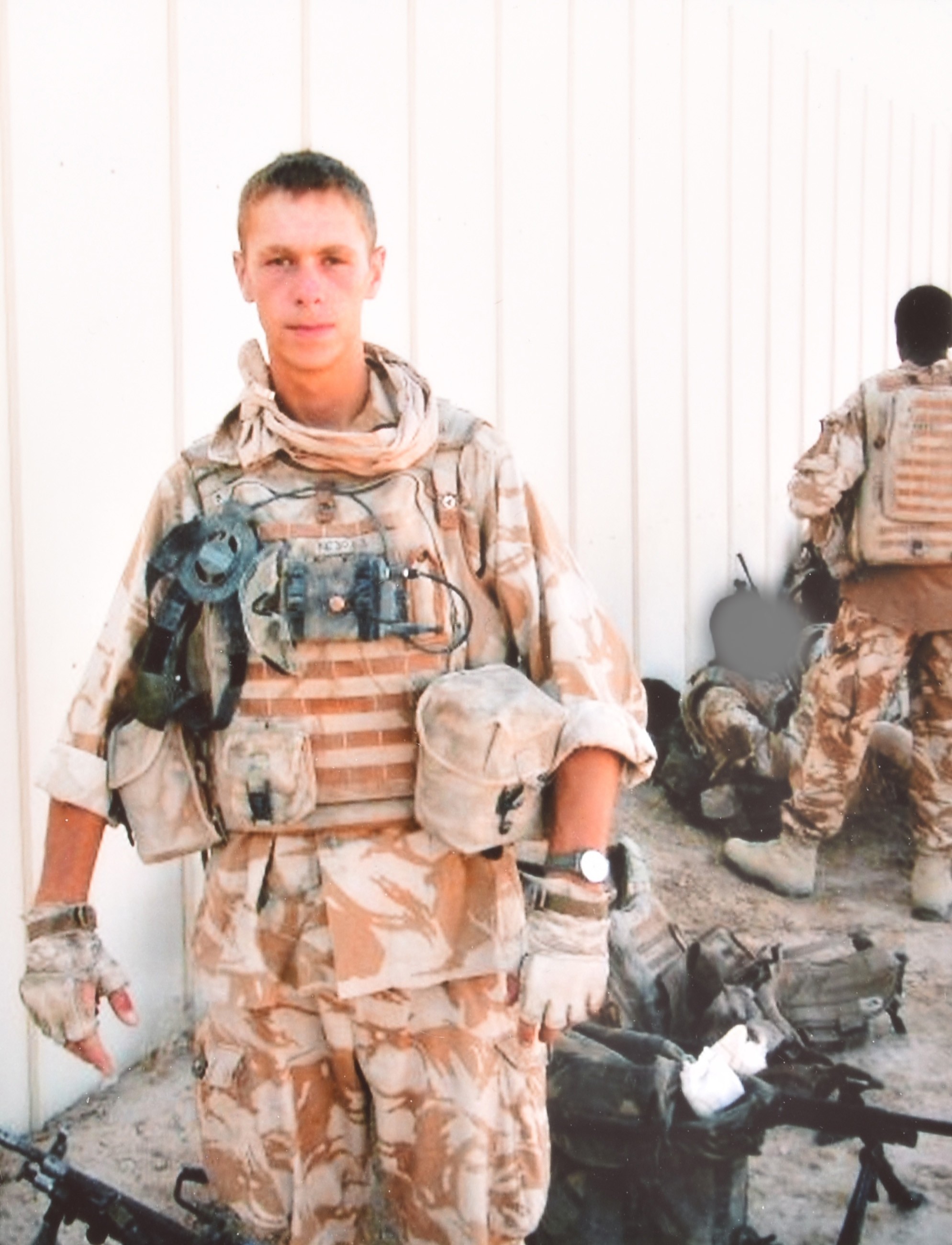
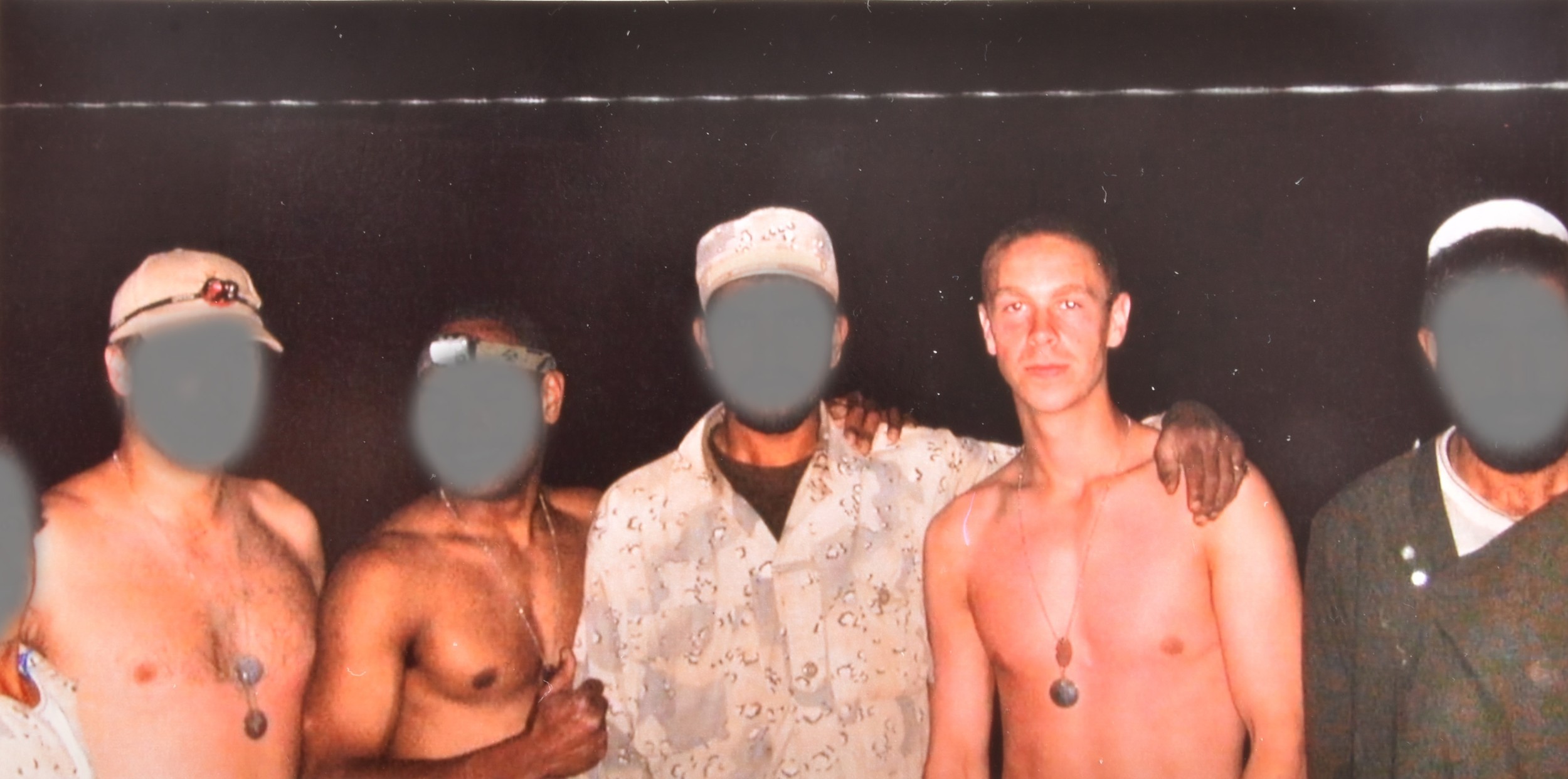
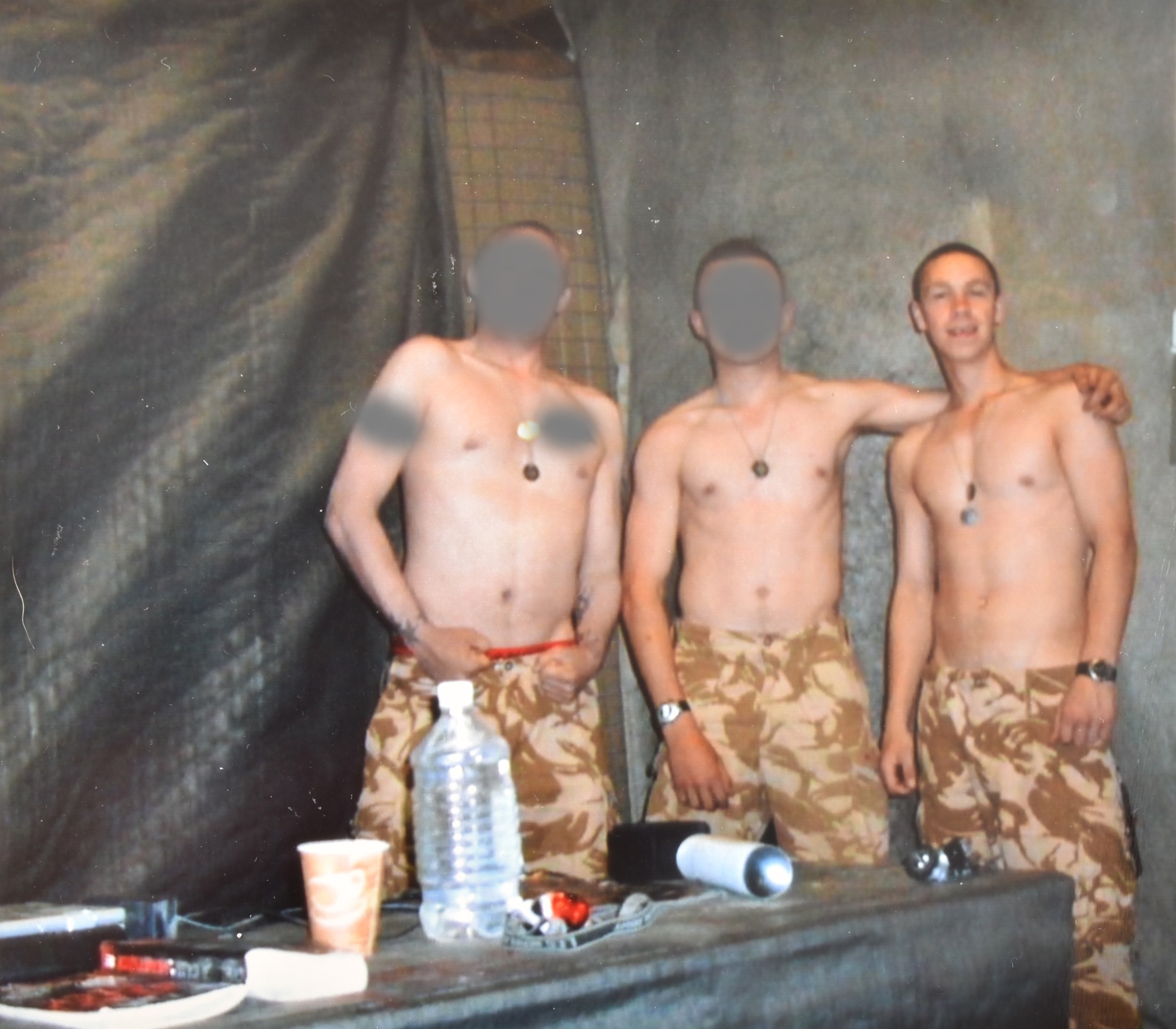
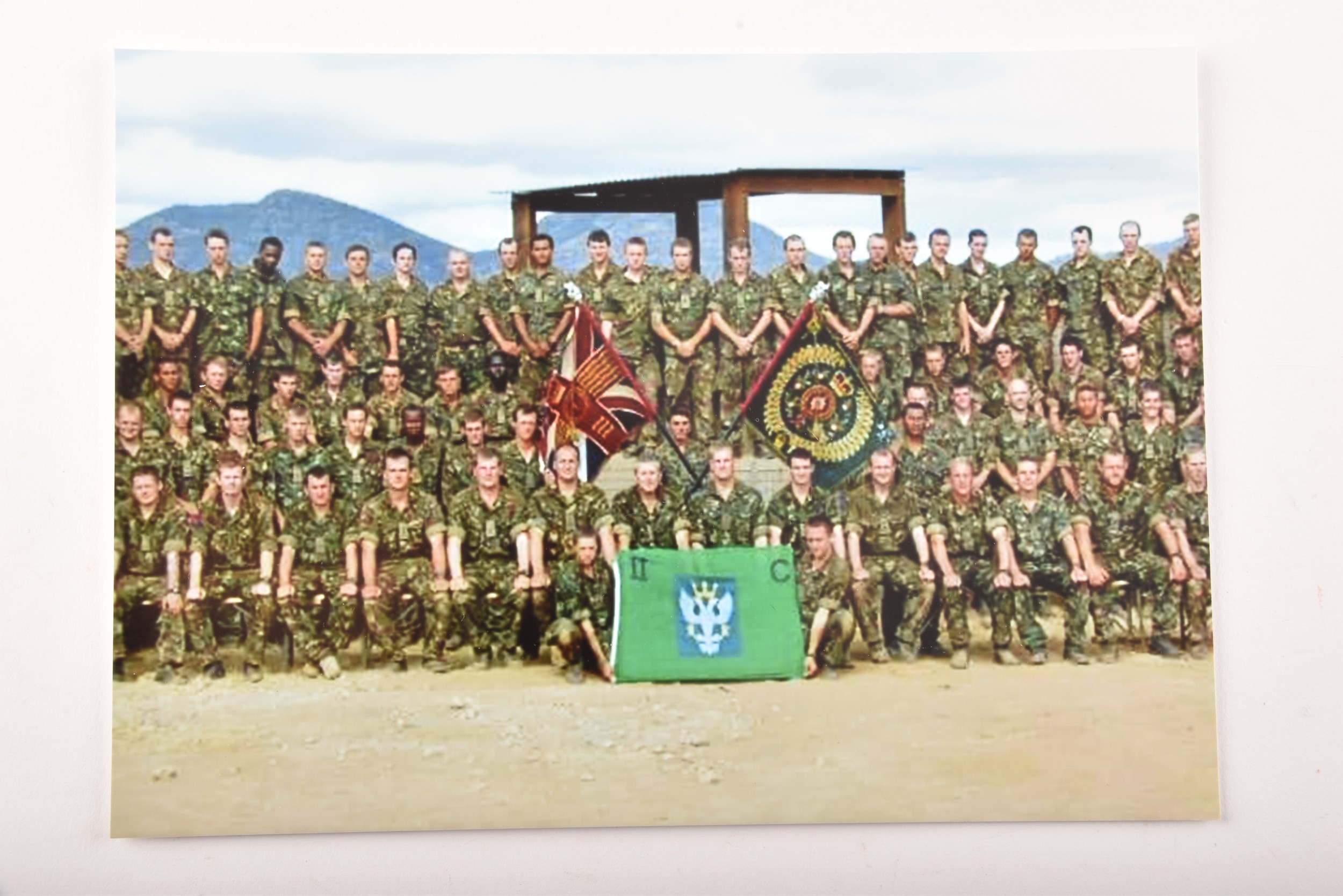
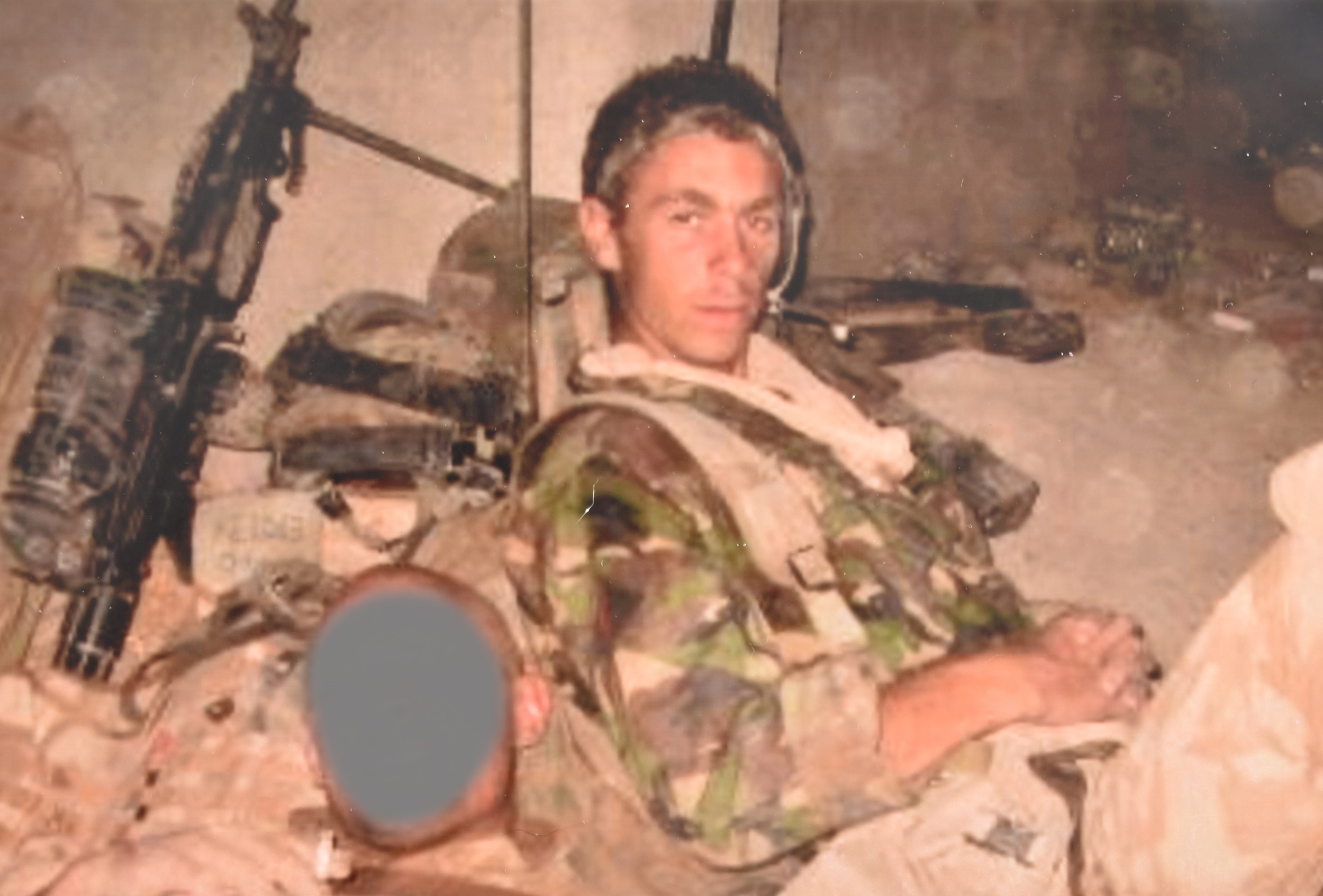
The lot is also accompanied by the helmet worn by Private Kennedy during the contract and still contains shrapnel from the bullet that hit his light machine gun, and his shoulder patch. It is also accompanied by original letters of congratulation from: General Sir Peter Wall KCB CBE ADC Gen; Lieutenant Colonel AGC Fair DSO, Commanding The Light Dragoons; Brigadier S R Skeates CBE; Colonel R P Winser OBE; Air Marshall Sir Stuart Peach KCB CBE, Chief of Joint Operations; Brigadier ARD Sharpe OBE; Major General RJM Porter MBE; Lieutenant Colonel S J Banton OBE; General Sir David Richards KCB CBE DSO Chief of the General Staff. Together with an extensive archive of photographs, including photos of Private Kennedy in Afghanistan, newspaper cuttings, letters of support, copies of the Investiture at Buckingham Palace held by The Prince of Wales on Friday 9th July 2010; and a copy of Hansard from when Private Kennedy’s award was mentioned in a debate in parliament by Sajid Javid.
Citation: On 8th June 2009, Pte Kennedy was involved in the A (Grenadier) Company 2 MERCIAN (attached Light Dragoons Battlegroup) deliberate operation, operation KAPCHA KHATAMSO, to clear the north eastern area of the Battlegroup South area. The operation was conceived to provide breathing space for the forthcoming Relief in Place with the United States Marine Corps Battalions, 2/8 and 1/5. They are to use the 605 as a main supply route and therefore it is vital that the route is free of enemy and Improvised Explosive Devices. The operation consisted of a slow, deliberate clearance of the route from south to north over two days. On the evening of the first day, Pte Kennedy's multiple was contacted from the front at a range of approximately 600 metres. During this engagement Pte Kennedy displayed extreme professionalism and courage, suppressing the enemy fire whilst assisting his platoon commander as his battle partner. It was during the next morning's contact, however, that Pte Kennedy's actions were worthy of public recognition.
Having consolidated in the village of Gholam Alikhan Kalay overnight, Kennedy's multiple was tasked to advance forward across open ground under cover of Combat Reconnaissance Vehicle (Tracked) (CVRT). From the Line of Departure the callsign moved towards the previous nights firing point, finding a suspected enemy firing point along the way. They entered a compound, reorganised for a few minutes and then continued to push north into the open ground. At this stage the CVRT were slightly to the right rear by 300m, trying to cross a small stream, and out of sight. It was then that the multiple came under ferocious small arms fire from at least three firing points; it later became apparent that there were at least nine enemy in the ambush.
The fire was coming from as little as 150 metres away. The multiple commander, Lieutenant Andy Bell, dropped to the floor, shot through both legs. Realising that the rest of the multiple was in the open ground, and that there was no way to extract them without effective fire support, Re Kennedy immediately crawled to Bell and administered first aid. Still under increasingly accurate fire, and knowing that the enemy were deliberately firing at anyone carrying a radio, Kennedy donned the platoon commander's radio and sent an accurate situation report. This allowed the CVRT to move forward and provide covering fire. However, until this fire came to bear, the rest of the multiple were still pinned down in the open. Kennedy crawled back to a point of fire position and started to engage the enemy with accurate, controlled bursts from his light Machine Gun. The enemy switched their fire to him, and the handle of Kennedy's LMG was shot away, the round ricocheting onto his helmet and shattering his goggles strapped to the helmet front. Despite this, Kennedy identified the enemy firing point and engaged. His accurate fire suppressed the enemy and allowed Bell to be extracted and the rest of the section to move into better cover. By this time the CVRT had moved up and started to provide withering fire onto the enemy, allowing the multiple to extract from the killing area.
By sending an accurate situation report whilst under fire Kennedy enabled the casualty to be extracted at speed; by suppressing the enemy with accurate LMG fire Kennedy enabled the rest of the multiple to extract from the killing area. Had this not happened the multiple would have taken many more casualties. All this was done by a private soldier with six months experience in the Army. Kennedy acted with a level of composure and situational awareness above that expected of a private soldier. It is for this demonstration of selfless bravery and a cool head under fire that Kennedy is highly deserved of public recognition.
Note: Lance Corporal Alexander Kennedy M.C. has made the deeply personal and difficult decision to part with his Military Cross - a medal earned through extraordinary bravery under fire during the war in Afghanistan. For him, this is not simply the sale of a decoration, but the release of something that carries both pride and pain in equal measure.
Though immensely proud of what the medal represents, Kennedy, like many who have served in modern conflicts, lives with the lasting impact of his experiences. The Military Cross stands as a symbol of his courage, but it also holds memories of trauma, loss, and survival that are not easily set aside. Over time, what once stood as a mark of honour has also become a powerful reminder of moments he has found difficult to revisit.
In letting it go, Kennedy hopes that the medal will find a new home - perhaps with a collector, a museum, or an institution that will appreciate not only its military importance, but the human story it represents. This is not a rejection of the medal’s value, but an act of letting go, of moving forward. It is offered with dignity and thoughtfulness, and stands as a rare and moving opportunity to own a piece of modern gallantry - one that speaks not only to military history, but to the courage it takes to begin again.
Fees apply to the hammer price:
Free Registration
33.6% inc VAT*
Flat Fee Registration
30.00% inc VAT*